
5 Nintendo Games From The '80s That Aged Terribly
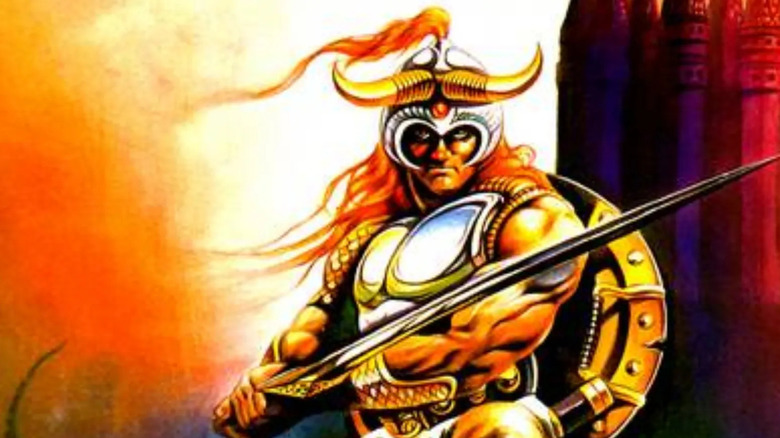
Like all pieces of pop culture, be it movies or television shows, video games are very much products of their time. This distinction extends to games released for the Nintendo Entertainment System, Nintendo's classic '80s home console that reinvigorated the gaming industry. Games that seemed perfectly in line with cultural norms and contemporary gamer sensibilities 40 years ago just aren't going to perfectly align with how we appreciate games now. Sometimes, something as simple as technical limitations and presentation for '80s games don't hold as timelessly as "Super Mario Bros." or "The Legend of Zelda."
To be clear, games that aged poorly doesn't necessarily just include how their content contrasts with evolving cultural sensitivities, but also their handling. We're also not covering games that were dead on arrival with contemporary gamers in the '80s. No one's lamenting how poorly "Dr. Jekyll and Mr. Hyde" has aged, because it was always crummy. Here are five Nintendo games from the '80s that aged terribly when looking back on them decades later.
Track & Field
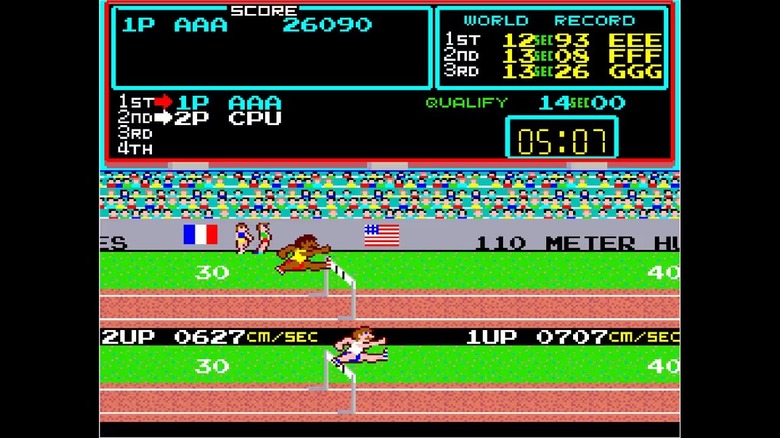
The early years of the NES featured many ports of preceding arcade titles and Atari games. This includes "Track & Field," which was originally released for arcades in 1983 before being ported to virtually every major console and gaming computer of the era. Nintendo received its own port of the game in 1985, localized for American NES owners in 1987. The game contains six different track and field events, as the title suggests, from races and jumps to javelin and hammer throws.
The big problem with "Track & Field" is that, even years after its initial release, the game's laughably simplistic design remained intact on Nintendo consoles. Most of the game's events just involve players alternating between the controller's two main buttons as quickly as possible. This makes the game as mechanically repetitive as it is utterly cramp-inducing as gamers mash buttons ad nauseam. Nintendo helped revolutionize gaming in the '80s on the NES, but "Track & Field" was a holdover from an increasingly dated era.
Wild Gunman
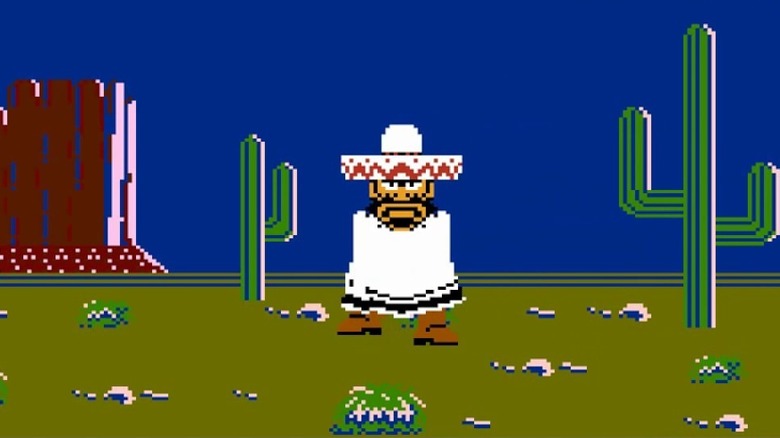
Even iconic Nintendo creative figure Shigeru Miyamoto has made big mistakes throughout his celebrated career. 1984's light gun game "Wild Gunman" certainly didn't feel like a mistake at the time, but it hasn't garnered the acclaimed reputation of Miyamoto's other '80s titles. An update of a 1974 arcade game, the game has players face a line of Wild West outlaws in quickdraw pistol duels. When players see their opponents' eyes flash, they must shoot them with the NES Zapper before the opposing gunfighter beats them to the draw.
Nintendo's subsequent light gun game "Duck Hunt" has aged much better than "Wild Gunman," mostly due to technical limitations during the 1984's game development. The game is annoyingly less responsive than "Duck Hunt," even when played on a functional CRT and with a relatively bare-bones level layout. Nintendo significantly improved the concept with its later game "Hogan's Alley," offering more intuitive gameplay and a greater variety in presentation. To Miyamoto's credit, at least "Wild Gunman" received a worldwide release, as opposed to his first NES-developed game being banned in the U.S.
Deadly Towers
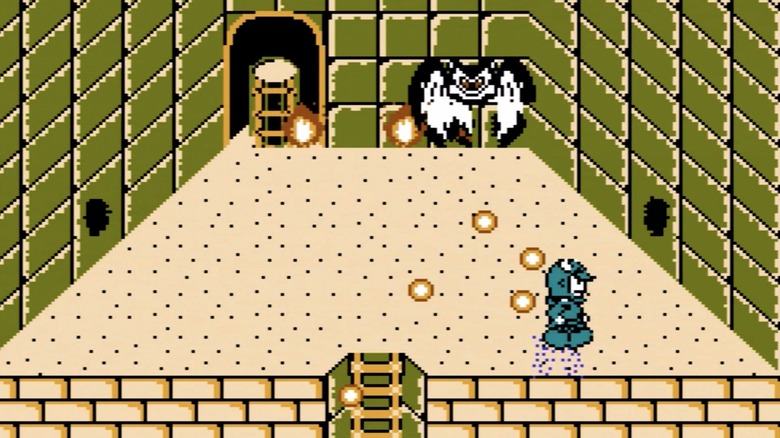
An early entry in the hack-and-slash genre, "Deadly Towers" is a hit '80s game that nobody remembers today and, looking back, for good reason. The game has Prince Myer set out to save his kingdom by destroying magical balls capable of summoning a monstrous army and the bell towers associated with them. The player navigates Myer through a labyrinthian set of levels to find each of the towers, fighting fantasy creatures along the way. After destroying all seven towers, the doorway to confront Rubas, the Devil of Darkness, is unsealed for a final battle.
While a commercial success upon its launch for the NES in 1986, "Deadly Towers" has seen its reputation steadily erode over time. There's just no discernible reason or rhyme when it comes to progressing and, theoretically, completing the game. While NES games had plenty of confusing and obtuse design, "Castlevania II" and its criminally vague instructions included, "Deadly Towers" takes this to a different level. The NES would see plenty of better hack-and-slash games following "Deadly Towers," like "Rygar" and "Wizards & Warriors," making the 1986 game all the more poorly aged.
Mike Tyson's Punch-Out!!
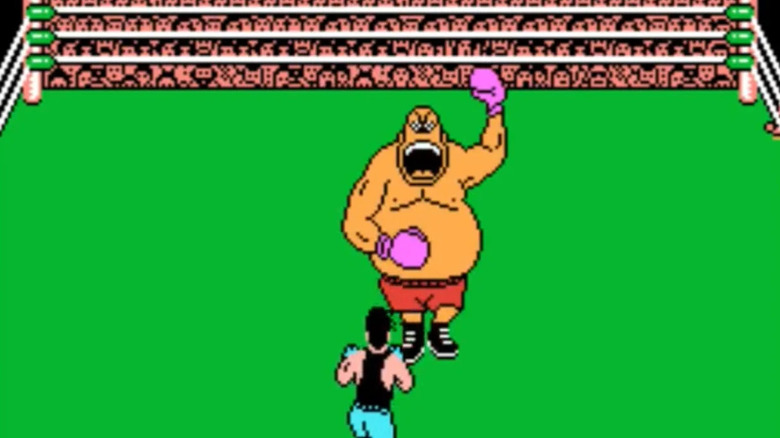
Nintendo's boxing series "Punch-Out!!," had started out as an arcade title before making its way to the NES in 1987. The game licensed then-heavyweight champion Mike Tyson to appear as the console version's final boss, who is comparatively extremely overpowered. Before this final bout, Little Mac takes on a variety of rival boxers, each with their own fighting patterns and weak points. These rivals come from all over the world, with their appearance often reflecting stereotypes surrounding their respective nationalities.
To be clear, compared to a lot of the other games on this list, the gameplay mechanics and overarching design isn't the issue with "Punch-Out!!." What does raise eyebrows decades later is the cultural stereotypes in the opponents that Little Mac fights against before advancing to Tyson. Whether it's the flamboyant Spanish fighter Don Flamenco or cowardly French fighter Glass Joe, these overseas opponents feel like childishly shallow and garish caricatures. The stereotypical international fighters in "Punch-Out!!" haven't aged as well as their counterparts in games like "Street Fighter" or "Fatal Fury."
The Adventures of Bayou Billy
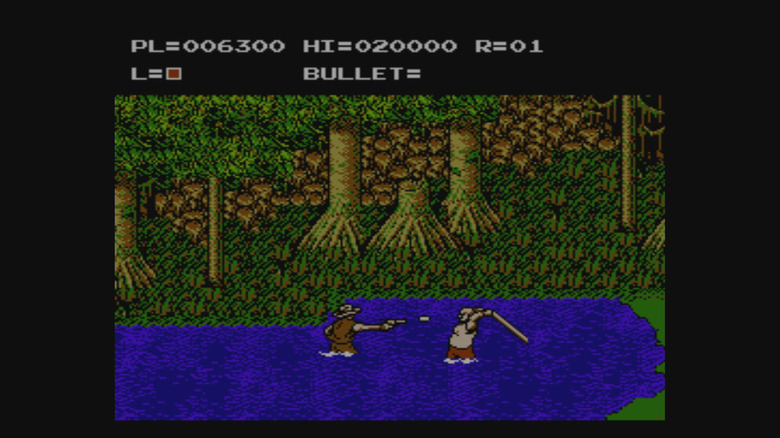
One of the most quietly ambitious games on the NES, at least in terms of gameplay variety, is 1988's "The Adventures of Bayou Billy." The game follows Louisiana crime-fighter Billy West, who moves to rescue his girlfriend Annabelle Lane from local crime boss Godfather Gordon. This involves Billy going through side-scrolling beat'em-up areas, on-rails shooter sequences, and driving levels with Billy pursuing enemies in his Jeep. For several shooter segments in the game, players even have the option of using the NES Zapper instead of the standard controller.
Like many other NES games, "The Adventures of Bayou Billy" was actually made harder for its North American release, and even received a different ending in Japan. While the breadth of gameplay modes is impressive, actually playing it is often unfairly tough, something more noticeable for modern gamers. The game's difficulty became so notorious that it was even referenced in an episode of "Captain N: The Game Master." A reminder that ambition doesn't mean a superior experience, "The Adventures of Bayou Billy" is a largely forgotten relic of its era.