
5 Arcade Games That Were Way More Popular Outside The US
While the arcade scene thrived in the United States primarily from the '80s into the early '90s, the medium has maintained its popularity abroad. But even during the heyday of arcades in North America, there were some titles that were simply more popular overseas than in America. Different games appeal to different markets worldwide, and that's true of any kind of entertainment, including arcade games. There are plenty of titles that flopped with American gamers but found greater success in international arcades.
We're listing games that thrived in foreign markets while arcades declined in America, or titles that connected more with overseas players than they did here. As always, the quality of the games themselves is subjective, but it's interesting to see what titles clicked with markets outside our general view. Some of these titles saw greater impact with American gamers with eventual home console ports but just couldn't make it in the domestic arcade scene. Here are five arcade games that were way more popular outside the U.S., finding their success overseas.
Chiller
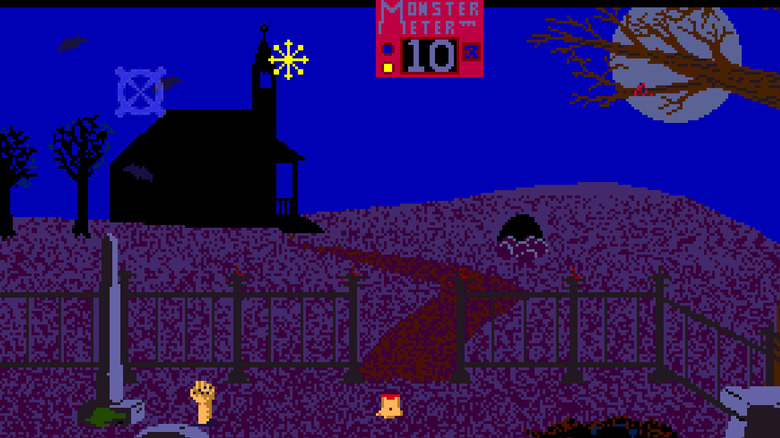
One of the most controversial retro video games of all time is "Chiller," initially released as an arcade game in 1986 by Exidy. A light gun shooting gallery experience, the gruesome game has players control an unseen figure who is dismembering and murdering defenseless victims. The first two levels take place in a torture chamber, with players coming up with inventive ways to maim restrained victims to gory effect. The last two levels are less unsavory, as players blast monsters in a haunted castle and then a graveyard in the dead of night.
Because of its morbid premise, or more specifically the core concept of players graphically torturing and killing unarmed prisoners, many arcade operators in America didn't order "Chiller." Instead, the game saw more success with markets in developing countries during the '80s who weren't offended by its content.
In America, "Chiller" was deemed an '80s horror game that was too disturbing for kids to play. Overseas, the gory title thrived, proving not all markets were as squeamish about graphic violence as the United States.
Ninja Baseball Bat Man
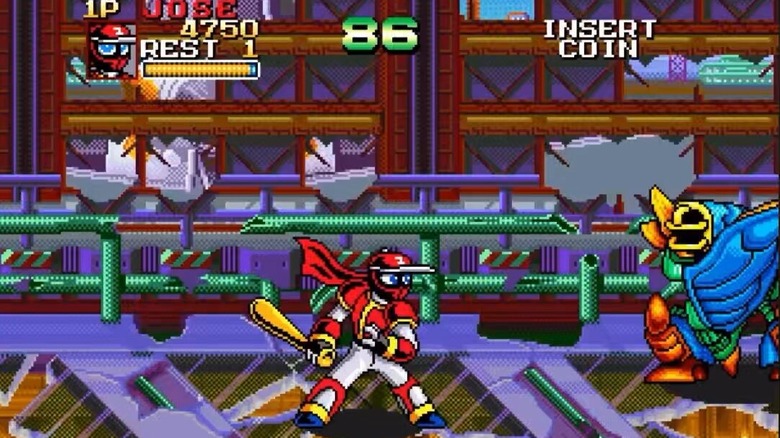
While side-scrolling beat'em-ups were certainly popular in the United States, including titles like "Teenage Mutant Ninja Turtles" and "The Simpsons," one particular release didn't connect with audiences with the same enthusiasm. 1993's "Ninja Baseball Bat Man" took on an athletic aesthetic with its frenetic gameplay as players choose between four oddball baseball heroes.
These heavy-hitters are tasked with retrieving items stolen from the Baseball Hall of Fame by an army of baseball-themed villains. Pummeling through waves of enemies with bats, baseballs, and other power-ups, this quartet of unlikely heroes are poised to save the day.
"Ninja Baseball Bat Man" reportedly shipped a mere 43 units in the United States, but it became a modest success overseas. However, unlike its more successful counterparts, the game didn't receive a home console port, dooming it to continued obscurity. Here in the United States, "Ninja Baseball Bat Man" is a forgotten arcade game that deserves a remake. Overseas in the East Asian market, the 1993 beat'em-up is a nostalgic blast from the past that needs to be ported to modern home platforms.
King of Fighters
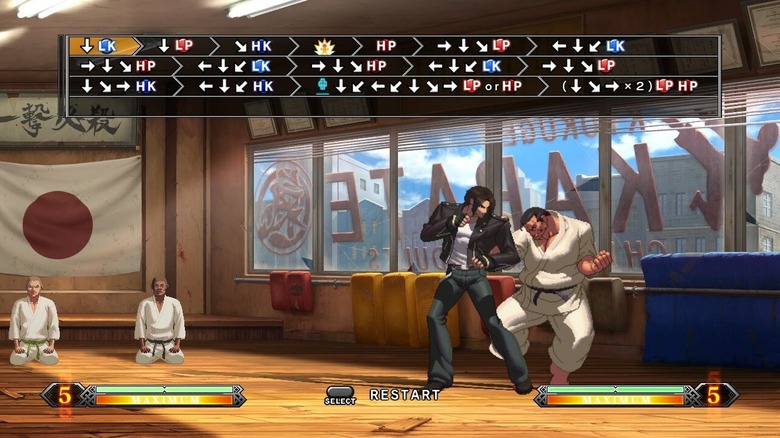
While "Street Fighter" and "Mortal Kombat" were making waves in the United States, a different fighting game franchise took off in Latin America. SNK's intracompany crossover fighting game series "King of Fighters," which first launched in 1994, saw widespread success in the region. The initial arcade title brought together characters from "Fatal Fury," "Art of Fighting," and "Ikari Warriors" for 3v3 side-scrolling combat. Later entries let other SNK properties like "Samurai Shodown" and "Metal Slug" join in on the titular martial arts tournament.
While "King of Fighters" enjoyed a niche following among hardcore fighting game players in the United States, it received much more widespread success in Central and South America. There are several factors for this, including tariff prices affecting the accessibility of home consoles in the region, and the relatively cheap price of SNK arcade software.
The series' 3v3 format also gave gamers the impression that they were getting more fights for their money compared to 1v1 titles on the market. "King of Fighters" enjoyed a healthy presence in Latin America during its '90s run, while its winning formula has stayed in place through the critically acclaimed "King of Fighters XV."
Red Earth
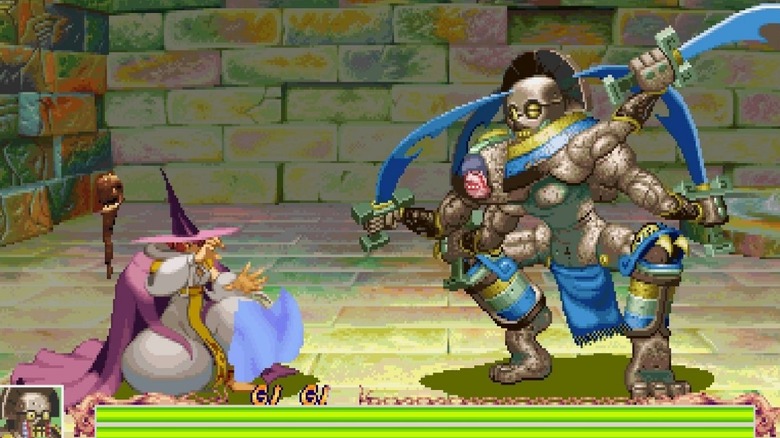
Even Capcom, a prestigious developer and publisher in the fighting game arena, had arcade titles that struggled to find an audience in the United States. One of the most notable examples was 1996's "Red Earth," the first title to use the company's CP System III arcade hardware that would later be used by "Street Fighter III."
"Red Earth" takes place in a post-apocalyptic world where humanity has regressed to a pre-industrial society while dinosaurs and monsters roam freely. Players choose from four champions, with the single-player mode being a campaign where they slay various monsters before facing a final boss.
The success of "Red Earth" in Japan convinced Capcom to continue to produce titles for its CPS-III hardware, but those numbers didn't translate over to America. The game only received a limited release in the United States, likely due to its expensive hardware and the declining arcade market. Adding to the game's relative obscurity was that it didn't receive a home console port until the 2022 compilation title "Capcom Fighting Collection." Despite its limited success overseas, Capcom has referenced "Red Earth" in many titles since, keeping the fantasy fighting game's legacy alive.
Incredible Crisis
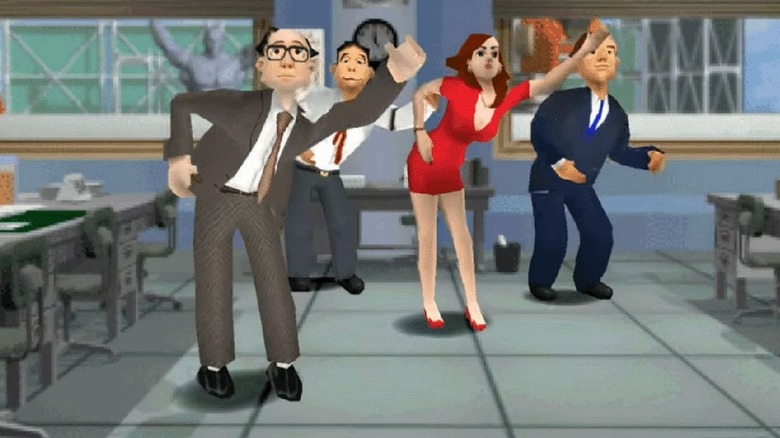
The wacky 1999 game "Incredible Crisis" feels like a screwball anime comedy come to life as an interactive adventure. The game centers on the Tanamatsuri family, a working-class Japanese quartet who prepare to celebrate the birthday of the elderly Hatsu. Having initially forgotten to get her a present, the game follows each of the four family members on a madcap quest to obtain something suitable for her. These activities grow increasingly outlandish, including several embarrassing minigames that you don't want to be caught playing.
Though "Incredible Crisis" did eventually come to the United States with a PlayStation port, it never received an arcade release. That technicality alone warrants the game a spot on this list but "Incredible Crisis" was also a modest success in Japan. That success spread to its console port, where it posted decent sales figures in Japan but went largely ignored in America. An odd and appropriately chaotic game that perhaps didn't translate as well as its publisher hoped in foreign markets, "Incredible Crisis" is a lot of inane fun.