
5 Video Games That Parents Hated When They First Came Out
Just like horror movies and heavy metal, parents are going to have strong opinions about video games. Whether it's how addictive gameplay experiences are or titles featuring prominent microtransactions, certain vocal parental groups have made their concerns about games known. This extends to the actual content within games themselves, particularly when it comes to the level of violence and any scatological humor. Some games that we widely regard as classics today were absolutely reviled by these groups upon their initial release.
From controversial imagery to gory carnage, parents don't keep it to themselves when they don't like what's in a game. In many cases, this backlash hasn't derailed a game from achieving commercial or critical success, but stands as an interesting part of its legacy. Whether it's '80s horror games that were too disturbing for kids or early first-person shooters, parents getting offended by games is a tale as old as time. Here are five video games that parents hated when they first came out, memorably stirring up vocal backlash.
Mortal Kombat
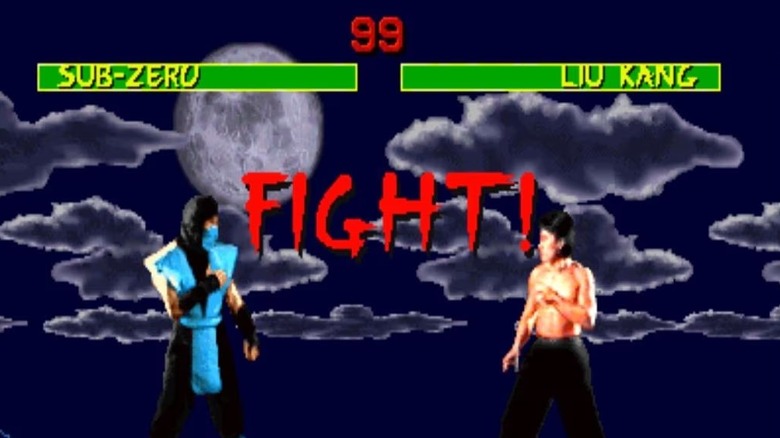
As fighting games proliferated around the industry in the early '90s, one title rose in notoriety above the rest: "Mortal Kombat." The game features a group of martial artists participating in a deadly tournament for the fate of their world. Every major hit results in spurts of blood while winning players are given the option to execute their defeated opponent with brutal finishing moves. Despite the notably graphic violence, the game proved to be a hit with contemporary audiences — even though parents were concerned about that bloody content.
The early installments of the "Mortal Kombat" franchise are among the most controversial retro video games of all time. More than just parents, the game received intense scrutiny from the federal government over its bone-crunching action. In response, the gaming industry developed its own rating system to signal to parents the recommended player age group for each title. "Mortal Kombat" marked a turning point in the wider gaming industry, one initially met with widespread infamy.
Doom (1993)
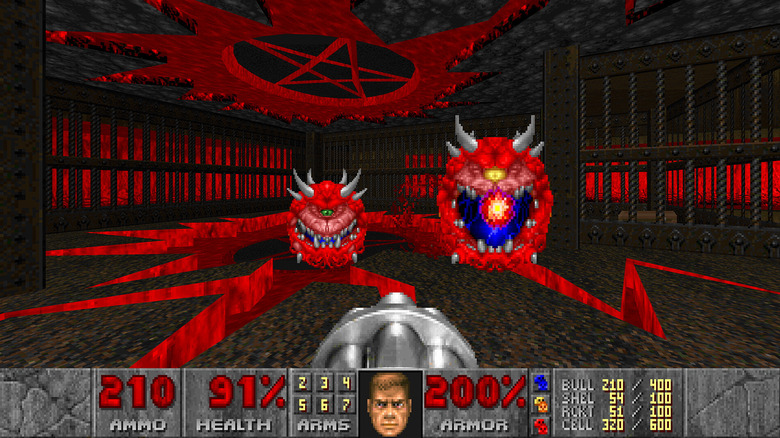
Id Software revolutionized the industry with its 1993 first-person shooter "Doom," initially released for PCs before being ported to virtually every major home platform. The game has players control an unnamed space marine stationed on a research station on Mars to provide security. When a teleportation experiment accidentally opens a portal to Hell, the station is overrun by demons and other voracious monsters. This results in the marine standing as the last man standing to repel the hellish invasion, with an entire arsenal of weapons at his disposal.
With its gruesome violence and prominent use of satanic imagery, "Doom" garnered controversy upon its debut. This backlash didn't stop the game from spawning an entire franchise, with a direct sequel released the following year. The game's widespread popularity and impact is made all the more impressive by the fact that it was created by very few people in its development team. Parents may have been incensed by "Doom" when it first hit the shelves, but it remains a landmark title for the industry.
Primal Rage
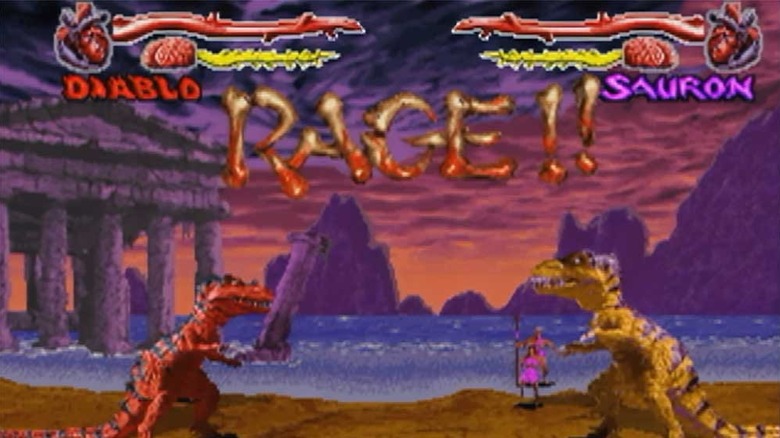
"Primal Rage" is one of those video games from the '90s that tried to copy "Mortal Kombat," receiving a modest amount of success. The game is set on a post-apocalyptic Earth that suffered a cataclysmic meteor strike, triggering the collapse of modern civilization. From the subsequent chaos, several titanic creatures emerged, resembling prehistoric monsters and dinosaurs, who are worshipped by surviving humans. These behemoths battle each other to the death for the right to be considered the reigning deity of this primitive world.
"Primal Rage" has all the bloody violence of other "Mortal Kombat" imitators, complete with finishing moves available to players. Two years after the game's release, a mother in Arizona launched an extensive campaign against the title after purchasing the game for his son. Offended by the content, this parent's campaign resulted in Best Buy temporarily stopping sales of the game at its stores. Eventually, this decision was reversed. Publisher Atari Games would dismiss concerns over the game's content, given the targeted nature of the campaign.
Mario Party
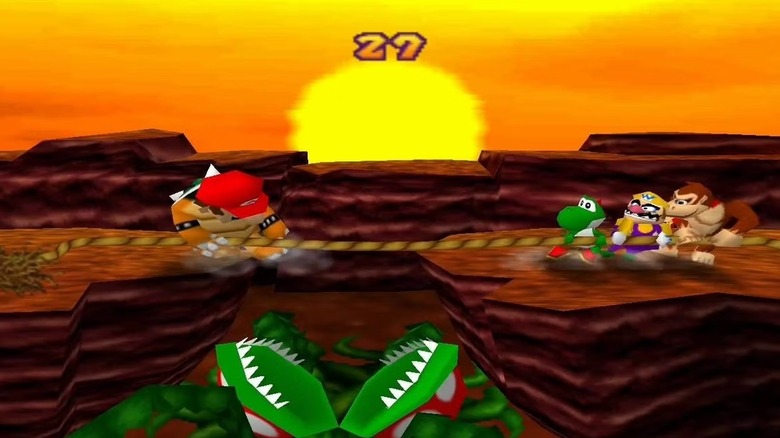
Since 1998, "Mario Party" has been a staple for Nintendo, bringing in the main cast from the "Super Mario" franchise for boardgame-oriented fun. While trying to accrue the largest number of Power Stars as they navigate through various themed boards, players engage in minigames, ranging from solo to team and free-for-all gameplay styles. Throughout the series' history, "Mario Party" has taken advantage of each of its platforms' hardware for its minigames. This distinction proved to be a stumbling block with players and parents for the series' debut entry on the Nintendo 64.
To be clear, the parental drama surrounding "Mario Party" had nothing to do with the in-game content. The original "Mario Party" and its use of the N64 controller led to a major lawsuit for Nintendo, particularly with the controller's usage in minigames. Games that encouraged players to rapidly rotate the joystick reportedly led to players hurting their palms from overly vigorous use. In response, Nintendo agreed to issue protective gloves to players while moving away from this minigame style from future installments of the series.
Fortnite
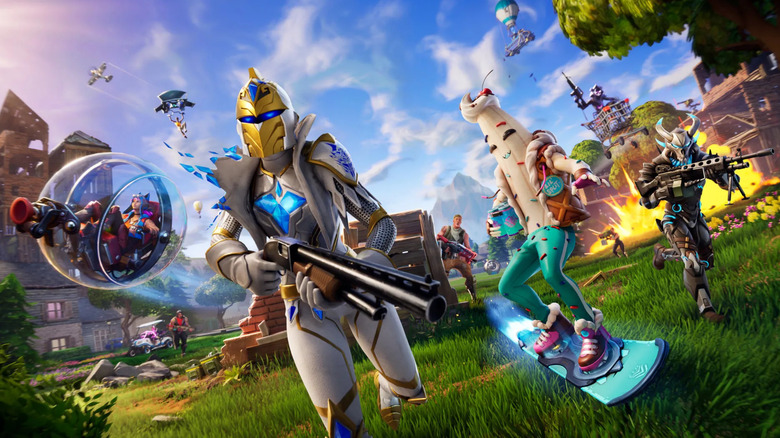
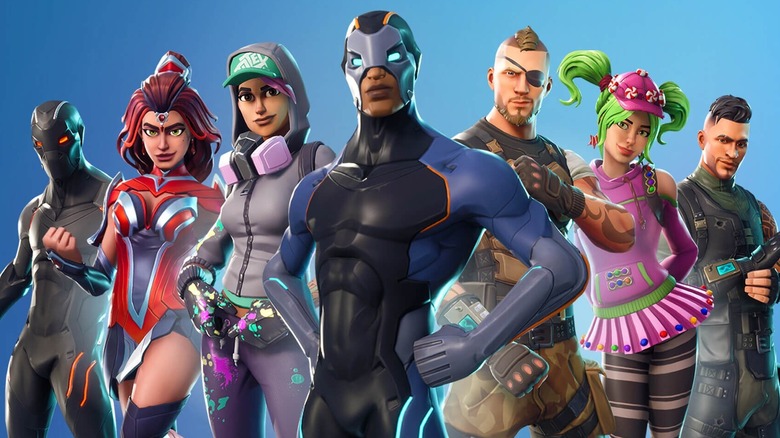
With its battle royale mode launching in 2017, "Fortnite" has become a longstanding phenomenon in the gaming industry. Originally a much darker game, the online shooter has embraced largely family-friendly aesthetics as it brings in players for a fierce battle in a steadily shrinking map. The last player standing in this frenetic free-for-all is crowned champion before moving onto the next match. In addition to the base game roster, the title features a steady rotation of guest characters that can be acquired through microtransactions and battle passes.
While the violence in "Fortnite" isn't particularly graphic, its prominent use of gunplay has attracted a fair bit of controversy. This comes given both the game's far-reaching popularity, especially with its appeal to younger and more impressionable players. Parents have also expressed concerns with how addictive the gameplay is and the title's notable inclusion of microtransactions. A reminder that the most popular games will always have their detractors among special interest groups, "Fortnite" remains an industry juggernaut despite parental concerns.