
'90s Video Games That Secretly Inspired Modern Franchises
All great games have clear inspirations, with some influences more visible than others in the final product. In some cases, development teams from one game take their experiences to a new one, or sometimes people who were fans of a certain game make a spiritual successor to it. These influences are often overt, like in all those '90s games that tried to copy Mario and the bevy of fighting games that tried to copy "Mortal Kombat." However, sometimes these influences and inspirations are much more subtle in how they informed the course of the gaming industry.
For this list, we're covering games that heavily inspired modern titles in ways that players wouldn't necessarily expect. In several cases, this means changes in genres and narrative settings from their sources of inspiration. Like any form of art and storytelling, games are inspired by work that came before and this extends to gaming in surprising ways. Here are '90s video games that secretly inspired modern franchises, continuing their legacy into the 21st century.
Dune II
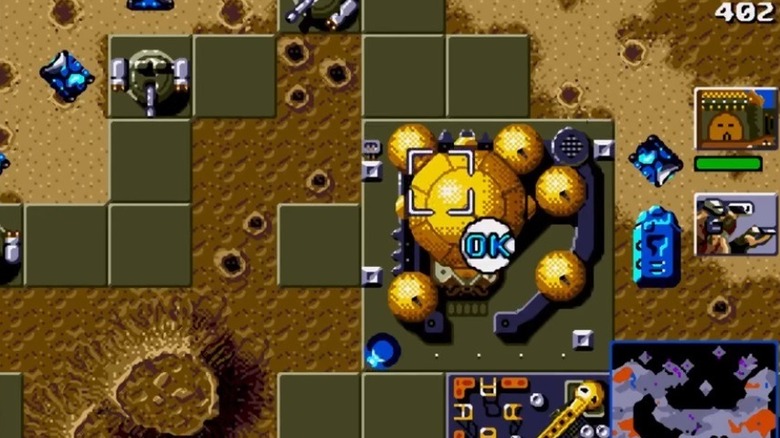
While 1992's "Dune" featured a blend of point-and-click adventure with strategy elements, its sequel, "Dune II," was a full-on real-time strategy game. Released later that same year, it revolves around the conflict between three competing houses mining spice on the planet Arrakis. Players establish a base on the harsh desert planet before battling the rival houses for dominance in the spice trade. This culminates in the player's house taking on the combined forces of the enemy along with the Emperor's elite military.
Real-time strategy games existed before "Dune II," but this game is what really set the template for the genre's biggest franchises moving forward. This includes the idea of giving the player distinct factions to choose from, each with their own unique units and strategies to succeed. These qualities were immediately reflected in 1994's "Warcraft: Orcs & Humans," which was heavily inspired by "Dune II." Blizzard Entertainment would go on to build a "Warcraft" franchise in the years that followed, with the most recent installment being 2023's "Warcraft Rumble."
X-COM: UFO Defense
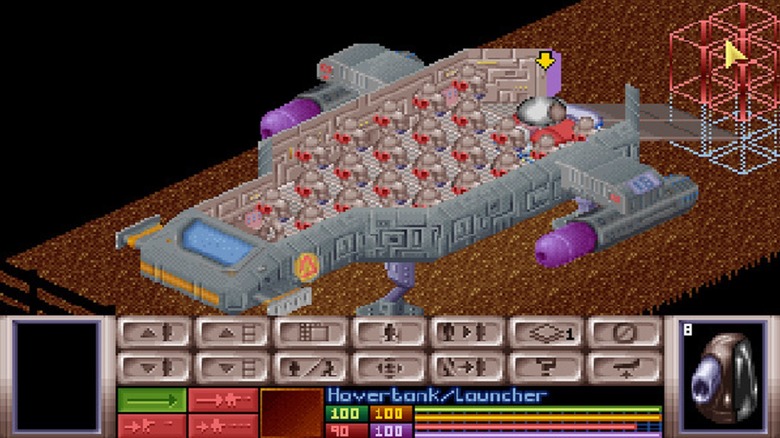
There are a lot of spin-off titles starring Nintendo's flagship character Mario, but few could've anticipated the heroic plumber branching out into turn-based tactical action. That's exactly what happened with Ubisoft's 2017 crossover game "Mario + Rabbids Kingdom Battle," and the origins for this radical reinvention of the franchise can be traced to 1994's "X-COM: UFO Defense."
Originally released in Europe as "UFO: Enemy Unknown," the game has players control a secret global organization responsible for defending Earth from attempted extraterrestrial attacks and invasions worldwide. This plays out in the form of a global map identifying and addressing crisis points and turn-based combat where squads of specialized soldiers battle the invaders.
The original "X-COM" was nearly canceled for being perceived internally as too complex and boring, but the project persevered and continues to thrive today. It's a clear influence on "Mario + Rabbids Kingdom Battle" and its 2022 sequel "Mario + Rabbids Sparks of Hope" – more specifically, the turn-based combat from the "X-COM" titles is evident in the gameplay mechanics.
System Shock
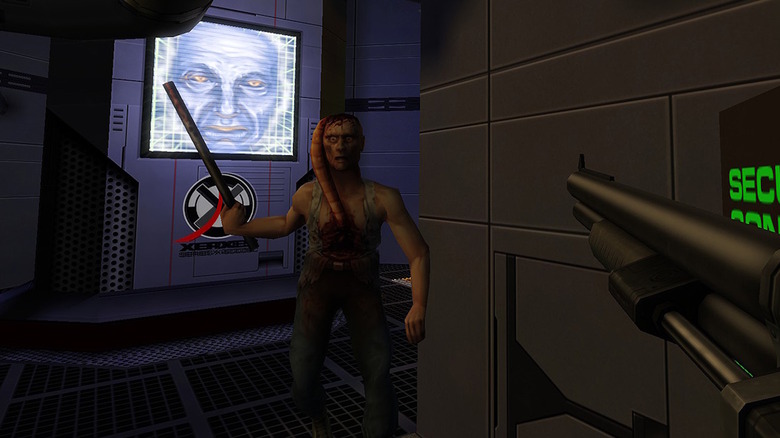
The 1994 sci-fi action game "System Shock" took a more narratively informed approach than other first-person games of its time. Players control an unnamed hacker in the year 2072 as they hack into SHODAN, an artificial intelligence running a space station. Awakening from an extended stasis after having a neural implant installed, the protagonist discovers that SHODAN has since taken over the station, killing or monstrously transforming the other personnel. Learning that the program plans to attack Earth's major cities, the player character moves to stop and destroy SHODAN before it's too late.
"System Shock" provided a player-driven story from a first-person perspective and, more saliently, within the science fiction genre. This distinction made the game serve as a major inspiration to the subsequent "Deus Ex" franchise. Similarly, the game's sense of claustrophobia and creeping dread helped inform the "BioShock" franchise to take similar steps with its own inaugural title. "System Shock" is an enormously influential title, particularly when it comes to first-person sci-fi thrillers. Its 1999 sequel "System Shock 2" — which is on SVG's list of the best video games of all time – was created by many of the same people who went on to make the first "BioShock."
Quake
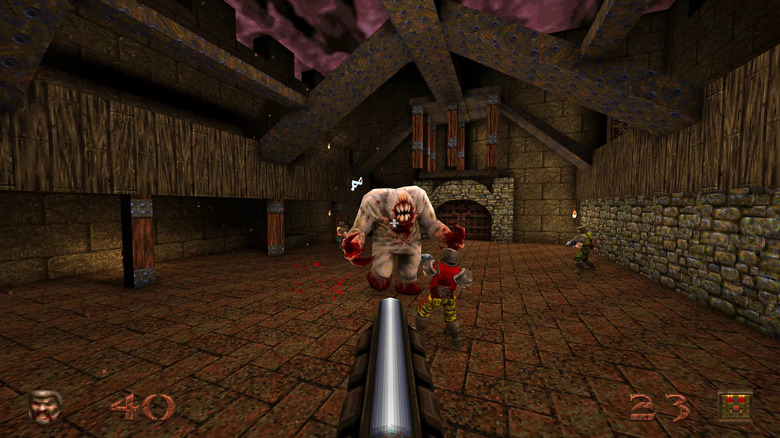
After revolutionizing the industry with its proto-shooters "Wolfenstein 3D" and "Doom," id Software created a new franchise in 1996 with "Quake." The game doubled down on the first-person action from its predecessors by providing players with full, real-time 3D rendering while blending fantasy and science fiction. The original 1996 game on PC spawned an entire series that was ported to virtually every major home console of its era. In addition to boasting a strong player base, a big modding community sprung up around the game, which led to the creation of the hugely popular mod "Team Fortress."
Impressed by the mod, the Valve Corporation hired the people behind it to make it into the full games "Team Fortress Classic" and the turbulently developed "Team Fortress 2." The latter became a popular arena shooter in the early 2000s as Valve continued its PC dominance into the 21st century. "Team Fortress 2," in turn, inspired the original "Overwatch" years later, which became its own powerhouse franchise for Blizzard. It's mindblowing to think that all of this sprang from id Software allowing fan mods of the original "Quake" titles.
Metal Gear Solid
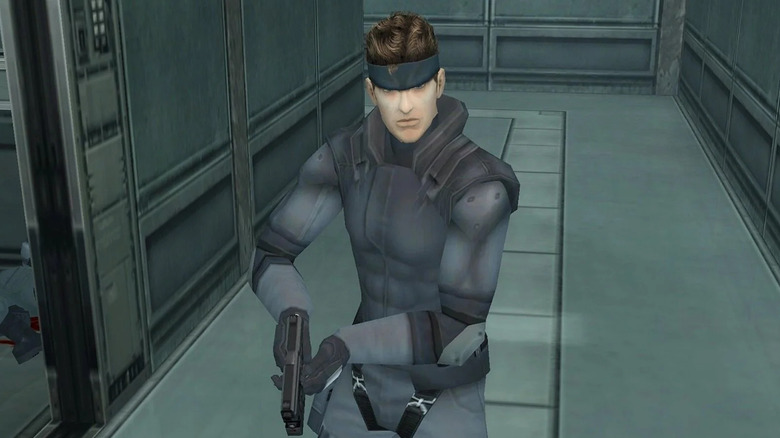
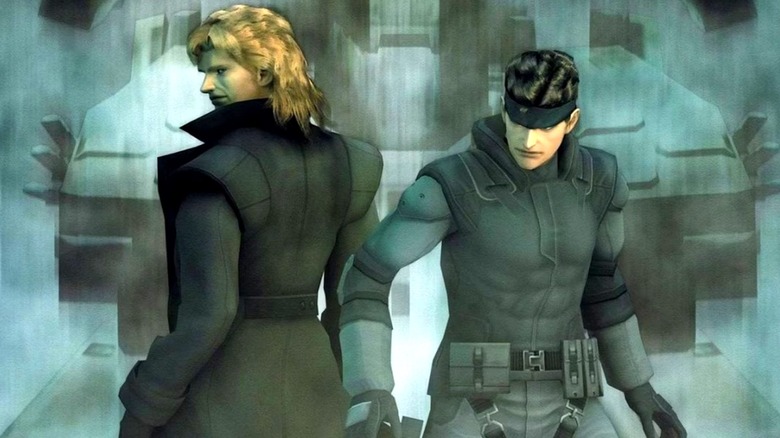
Just as the original 1987 "Metal Gear" proved to be an influential title, so too did its 1998 3D reinvention "Metal Gear Solid." Taking place a decade after the original game in the "Metal Gear" timeline, the PlayStation release has Solid Snake infiltrate a remote Alaskan island seized by terrorists. While carefully maintaining a stealthy presence, Snake moves to rescue the hostages and prevent the terrorists from unleashing the nuclear mecha Metal Gear REX. This culminates in Snake confronting the terrorists' leader, Liquid Snake, his fellow clone from a top-secret government genetics project.
With its strong emphasis on stealth rather than going in guns blazing, "Metal Gear Solid" has inspired a lot of games that take similar approaches with their action. This includes the military thriller franchise "Splinter Cell," but also the historical action franchise "Assassin's Creed." Both subsequent franchises favor a stealthy approach to taking down targets and achieving objectives in their own way. Interestingly, "Metal Gear Solid" and "Splinter Cell" actually take place in the same universe, with both franchise's making nods to the other.