
5 Sci-Fi Video Games From The '90s That Still Hold Up Today
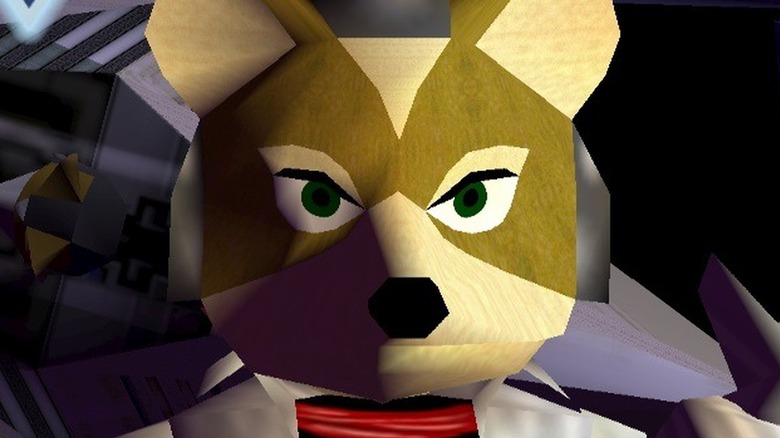
The '90s was a pivotal decade for the gaming industry, with rapid advancement in consoles and PC capabilities leading to richer gameplay experiences. With the medium's technical presentation becoming more impressive, the storytelling and mechanics grew more sophisticated alongside it. There are numerous video games from the 1990s that aged flawlessly, continuing to stand the test of time decades later. This is especially true of the science fiction genre.
Whether it's on PC or consoles, there are plenty of sci-fi titles released throughout the '90s that have retained a timeless appeal. This spreads to everything from racing games and vehicle-based rail shooters to RPGs and adventure titles. Most of these games are still available to play on modern platforms, ready to revisit or experience for the first time. Here are five sci-fi video games from the '90s that still hold up today and are well worth checking out.
Super Metroid
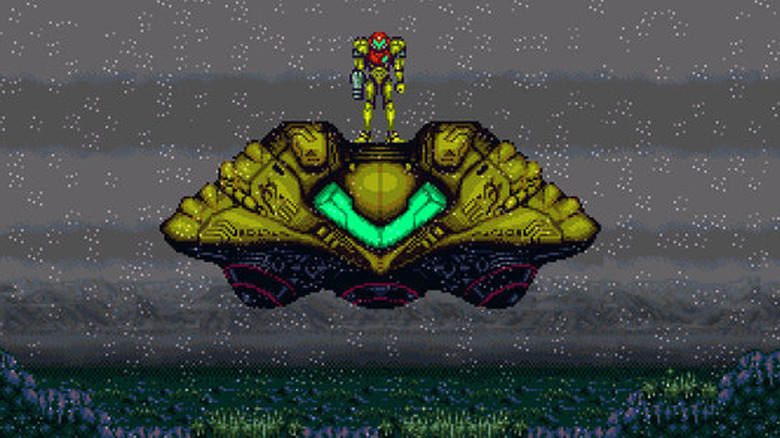
Nintendo's sci-fi action franchise "Metroid" had a solid debut on the Nintendo Entertainment System in 1986, but it upped the ante considerably for its third installment, "Super Metroid." The 1994 game has spacefaring bounty hunter Samus Aran pursue the Space Pirates — led by the monstrous Ridley — to the planet Zebes. Exploring a vast network of subterranean tunnels and caverns under the planet's surface, Samus battles the Space Pirates and resurgent Metroids. Along the way, Samus receives upgrades to her exosuit that grants her access to additional areas around Zebes.
"Super Metroid" is a classic SNES game that is an absolute must-play and holds up beautifully over 30 years later. The game's 16-bit presentation and original soundtrack veer more into atmospheric sci-fi horror than the preceding two titles. The sequel stands as one of the best games in the entire Super Nintendo library and set a high bar for side-scrolling adventure titles moving forward. A sci-fi game that everyone needs to play at least once, no matter the decade, "Super Metroid" saw Nintendo pull out all the stops for this beloved science fiction franchise.
MechWarrior 2: Mercenaries
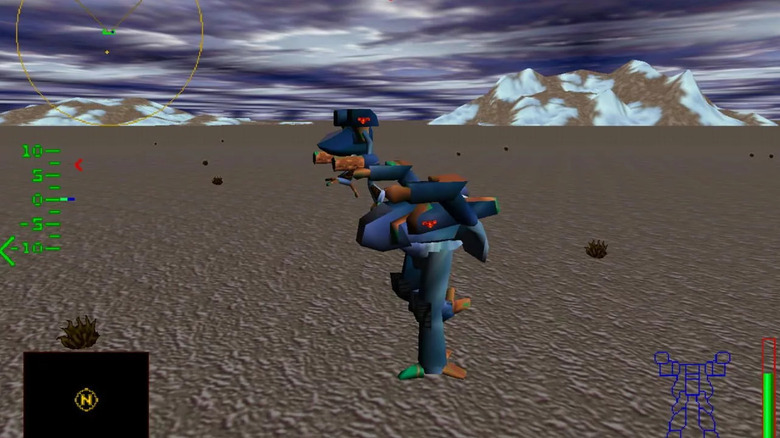
Mecha games (titles built around piloting largely bipedal sci-fi war machines) flourished in the '90s, particularly on PC. One of the pioneers of this sub-genre was the "MechWarrior" series, which was ambitiously elevated with 1995's "MechWarrior 2: 31st Century Combat." The game received a standalone expansion the following year with "MechWarrior 2: Mercenaries" set in the midst of an interplanetary war. The player leads a mercenary squadron, deciding how to invest the team's finances in mechs and upgrades while selecting which mission contracts to accept next.
A prime example of sheer fun factor and intuitive gameplay mechanics outweighing technical presentation, "MechWarrior 2: Mercenaries" is a highlight from the franchise's '90s titles. The game focuses on mission-oriented progression and squadron management, keeping its narrative focus tight. Even with this format, the wider story still looms overhead and there is an intense escalation as players advance. With lovingly retro mecha models, "MechWarrior 2: Mercenaries" is a straightforward blast and it helped lay the foundation for other franchises like "Armored Core."
Final Fantasy VII
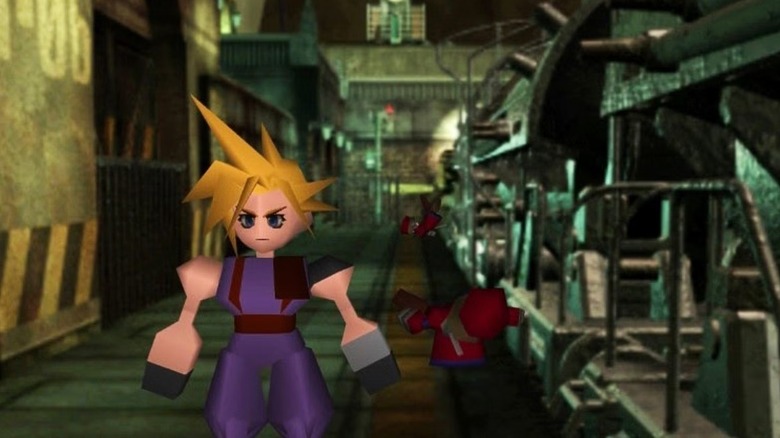
After years of high fantasy and steampunk stories, the "Final Fantasy" franchise shifted into cyberpunk science fiction with its 1997 title "Final Fantasy VII." The game takes place on a world where the megacorporation Shinra has greedily mined the planet's life energy, mako, to power its sprawling industrial metropolis. A resistance movement hires mercenary Cloud Strife to help them carry out attacks on Shinra, only for the corporation to retaliate with no regard for collateral damage. This conflict is complicated by the reappearance of Sephiroth, a powerful warrior from Cloud's past who turned evil after learning the truth about his extraterrestrial heritage.
Arguably one of the best RPGs of all time, "Final Fantasy VII" redefined the Square Enix franchise after years of it being on Nintendo consoles. The game featured an operatic cyberpunk story about environmentalism and the dangers of unchecked genetics while refining the series' combat mechanics. With all the nostalgia over the early 3D titles, "Final Fantasy VII" maintains a certain charm even as its story has been remade across a modern trilogy. A defining experience for the genre and one that saw the franchise seamlessly make the jump to sci-fi, "Final Fantasy VII" remains an enduring achievement in the medium.
Star Fox 64
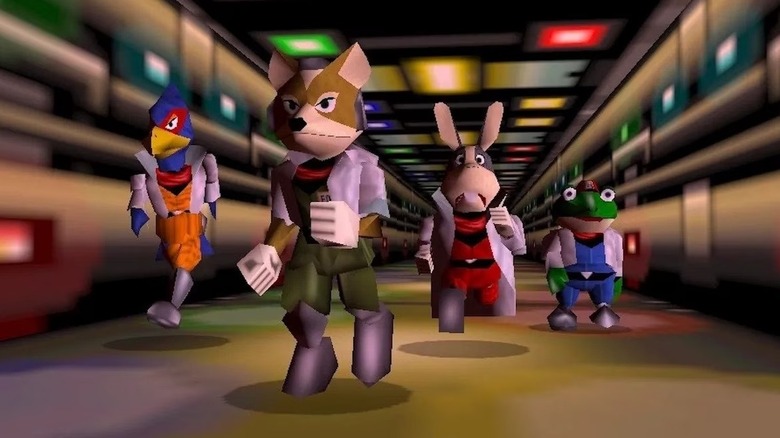
When the Nintendo 64 launched in 1996, it popularized 3D gameplay with titles "Super Mario 64" and "Diddy Kong Racing." Nintendo's space shooter franchise "Star Fox" saw its own upgraded experience on the N64 with the 1997 game "Star Fox 64." Hotshot pilot Fox McCloud leads his mercenary squadron to defend the planet Corneria from the sinister Andross once again. In addition to the usual branching paths players can take, the game also features full 3D environments in key battles and new vehicles, including a submarine and tank.
Compared to the primitive polygonal animation on the Super Nintendo, "Star Fox" received a full-on rebirth on the N64. The game's distinct environments were gorgeously rendered and the handling on Fox's vehicles, particularly his signature Arwing, was completely optimized. In addition to its memorable single-player campaign and training mode, the game also introduced competitive multiplayer modes to the series. One of the best Nintendo 64 games of all time, "Star Fox 64" stands as the pinnacle of the franchise.
F-Zero X
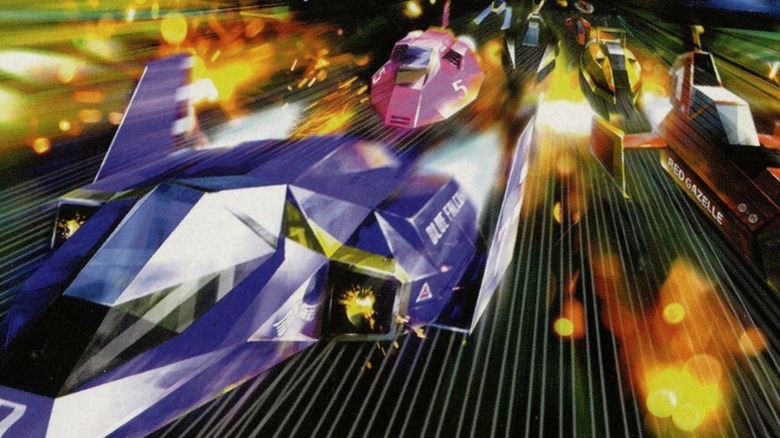
The original 1990 "F-Zero" showcased how much more powerful the Super Nintendo was than the NES, but it was single-player only. This was rectified by the game's 1998 sequel "F-Zero X" on the Nintendo 64, which allowed up to four players to get in on the fun. The game features 30 racers coming together to compete in an intergalactic racing tournament notorious throughout the cosmos for its high speeds and immense danger. Adding to the mayhem is the fact that competitors' vehicles can now use spin attacks to punish nearby opponents.
Like all games in the series, "F-Zero X" moves at blindingly fast velocities that require players to lock in and stay focused just to stay alive. This N64 game was a complete improvement on its SNES predecessor, not just with the inclusion of multiplayer, but additional game modes, a significantly enhanced presentation, and even faster speeds. While still a tough game to win overall, the N64 title thankfully doesn't have the insane difficulty spike that ruined its 2003 GameCube sequel "F-Zero GX." A white-knuckle racing experience, "F-Zero X" is a standout '90s sci-fi game — as long as you can keep up.