
5 Video Games From The '90s That Became Cult Classics
While there are plenty of video games from the 1990s that aged flawlessly, there are also lots of hidden gems from the decade that were overshadowed by their more popular counterparts. Though maybe not receiving blockbuster sales numbers or widespread recognition, there are plenty of games that steadily built their own fan bases in the years since their debut. These games could have been modestly successful in their own right, just not as ubiquitous as other games from the '90s. While we've previously covered hit '90s games that no one remembers today, this time we're looking at cult classics from across the decade.
To clarify, we're defining cult classics as titles that have been positively received by fans, and whose reputations have quietly grown since their launch. Despite that reception, these titles never quite earned marquee attention with contemporary gamers. Many of these titles are readily available to play on modern platforms, ready to enjoy the wider appreciation that they each still deserve. Here are five video games from the '90s that became cult classics.
ActRaiser
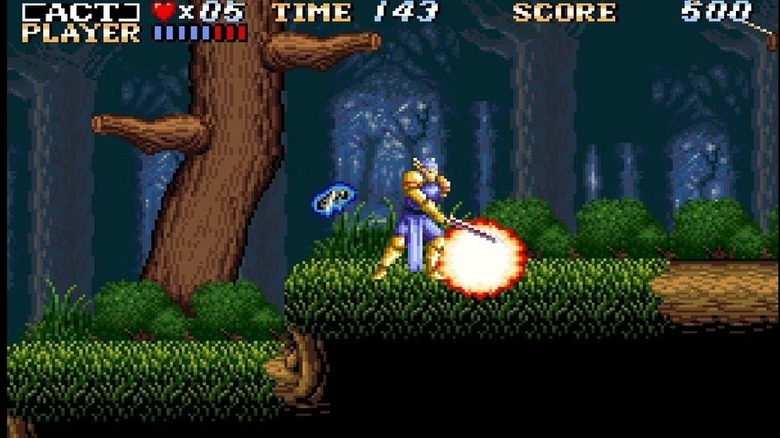
Among the titles released in the Super Nintendo's launch window was the 1990 fantasy adventure game "ActRaiser." The game's sword-wielding protagonist is known simply as the Master and, for much of the game, engages in the usual side-scrolling platforming and hack-and-slash action. In between these combat levels, players build out a medieval human civilization. Details including using the weather and auxiliary constructions like roads to make settlements flourish. The Master levels up based on the size of the growing population from the city-building portions of the game as they drive back monsters led by the evil Tanzra.
Compared to other early SNES titles like "Super Mario World," "F-Zero," and "Gradius III," "ActRaiser" got lost in the shuffle. The game was successful enough to warrant a 1993 sequel, "ActRaiser 2," but the city-building gameplay and sequences were dropped to deliver a straight-laced hack-and-slash experience.
That omission is a shame, because it was the city-building that made the original game such a sleeper success with fans, distinguishing it from countless other contemporary fantasy games. The 1990 "ActRaiser" seamlessly blended gameplay styles and is still one of the more quietly unique experiences on the SNES.
The Lost Vikings
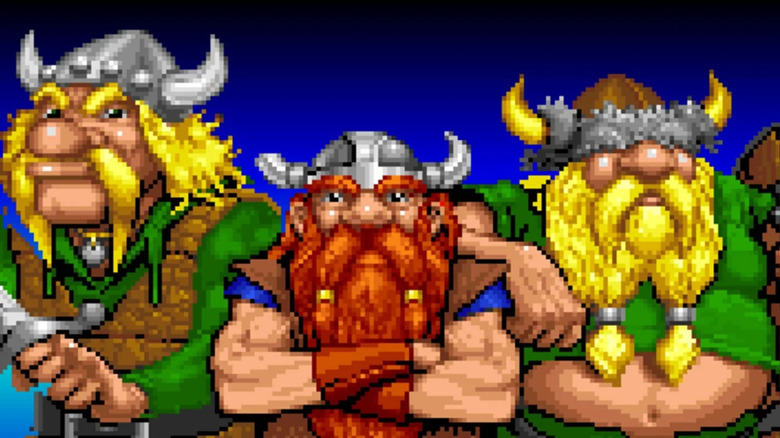
Back before it rebranded itself as Blizzard Entertainment, the development studio Silicon & Synapse released "The Lost Vikings." Debuting on the SNES before being ported to the Sega Genesis the following year, the 1993 game has players navigate a trio of Vikings across stages filled with deadly obstacles. Each of the Norsemen possess different abilities, including Baleog the warrior, Erik the sprinter, and Olaf, who bears a sturdy shield that can also be used as a glider and launching platform. Players alternate between the trio to progress, and the goal of each level is to bring all three safely to the exit.
More of a puzzle game than a conventional side-scrolling platformer, "The Lost Vikings" was an offbeat and modest hit in the mid '90s. The game did well enough for a sequel four years later, "The Lost Vikings 2," but it felt like more of the same, with little additional gameplay variety or technical improvement.
As the rebranded Blizzard Entertainment turned its focus to "StarCraft," "The Lost Vikings" stands as a potential gaming trilogy that never got completed. Since then, the franchise has resurfaced in various cameos for Blizzard and Interplay titles, but never for a marquee appearance beyond the 1997 sequel.
MediEvil
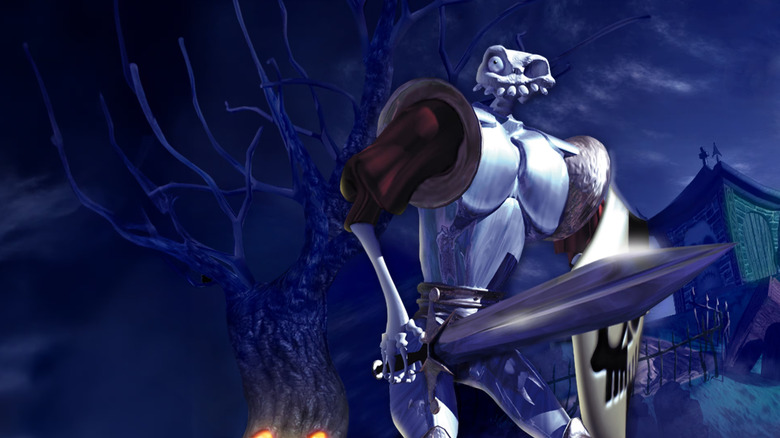
The original PlayStation era was filled with lots of wonderfully weird protagonists, from Abe and his "Oddworld" to PaRappa the Rapper, and even Crash Bandicoot himself. Among these oddities is Sir Daniel Fortesque, the skeletal 12th century hero of the action platformer "MediEvil," released in 1998. When the evil sorcerer Zarok raises an undead army to conquer the fantasy kingdom of Gallowmere, he also accidentally revives Dan from his grave. Players guide Dan through hack-and-slash and 3D platforming action to stop Zarok and restore the fallen knight's honor.
While Crash Bandicoot and Spyro the Dragon would carry over to the PlayStation 2, the "MediEvil" series was confined to the original PlayStation for years. The game did have its fans, enough for the 1998 game to get a sequel launched in 2000 before Sony turned its attention to the PS2.
The game boasts an art style inspired by Tim Burton's "The Nightmare Before Christmas," which helped endear it to fans while providing them with a robust challenge. A modest success for PlayStation compared to "Resident Evil 2" and "Metal Gear Solid," also released exclusively for the console that year, "MediEvil" has its own loyal fan base to this day.
Space Station Silicon Valley
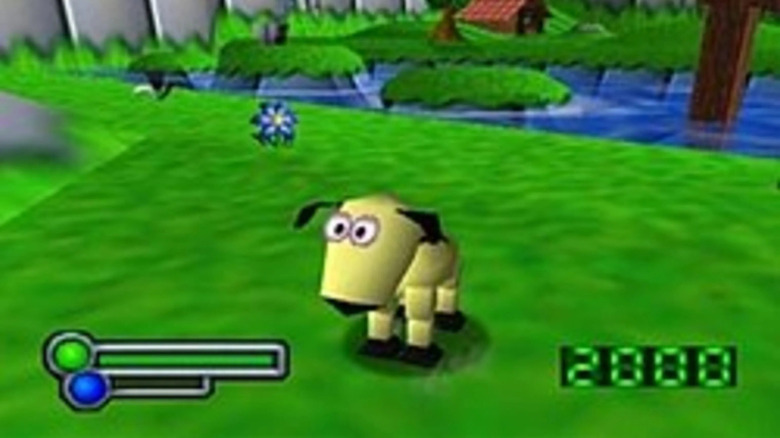
The Nintendo 64 had a lot of quirky hidden gems in its library but one notable standout is the 1998 game "Space Station Silicon Valley." Developed by the British studio DMA Design, the game is primarily set on its titular space station, which contains a multitude of animals and biomes to support its diverse fauna. The player character is Evo, a robot whose body is destroyed, leaving her with only one functioning microchip, and she's crawling to find an interim host. Possessing the various animal species on the station, Evo tries to keep the large vessel from colliding with Earth.
"Space Station Silicon Valley" is an N64 sci-fi platformer that many console owners never played, despite also being ported to the PlayStation two years later. The game features a mix of 3D platforming and puzzle-solving as players jump between various animal hosts to progress through the adventure. Right from the beginning, the game's dark and distinctly British sense of humor keeps things breezy and sardonically fun. Admittedly not for animal lovers, "Space Station Silicon Valley" is one of the most overlooked quality games on the N64 library.
Grim Fandango
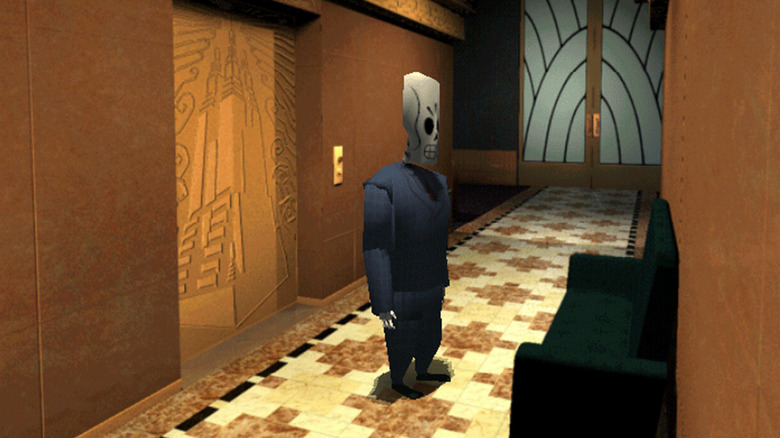
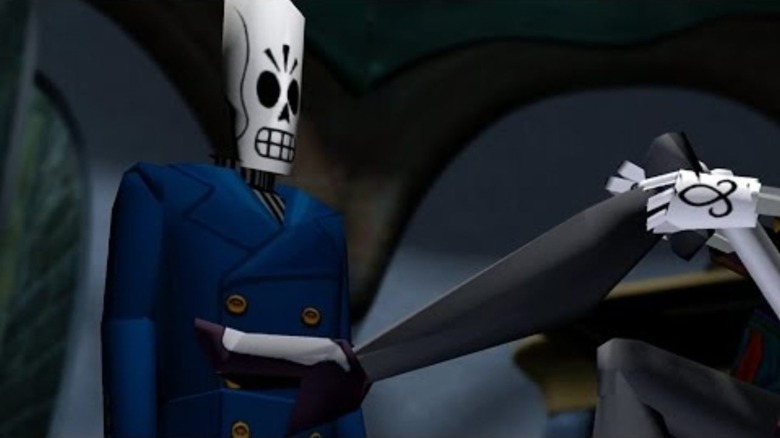
Fan-favorite video game developer Tim Schafer teamed up with LucasArts for the 1998 PC game "Grim Fandango." It's an adventure game with a similar gameplay style as "Alone in the Dark," with players controlling travel agent Manny Calavera in an early series of 3D level designs.
Set in the Land of the Dead and inspired by classic film noir and Aztec culture, the world is populated by calacas, skeletal figures often seen when celebrating during Mexico's Day of the Dead. Manny stumbles into a power struggle for the undead cities while trying to guide Meche Colomar to the paradise of the Ninth Underworld.
Though it was critically acclaimed upon its launch, praised for its art design, and lauded for both its accessible gameplay and ambitious story, "Grim Fandango" was actually a commercial flop. The game's profile increased over time, largely thanks to its vocal fans and retrospective attention, leading to a remaster for modern platforms in 2015. The game has long inspired players to form their own communities centered around its striking aesthetics, which still produces fan works celebrating a shared love of the game. This level of continued dedication 25 years since its original release makes "Grim Fandango" the ultimate '90s cult classic.