
5 Video Games From The '90s That Pushed Violence Too Far
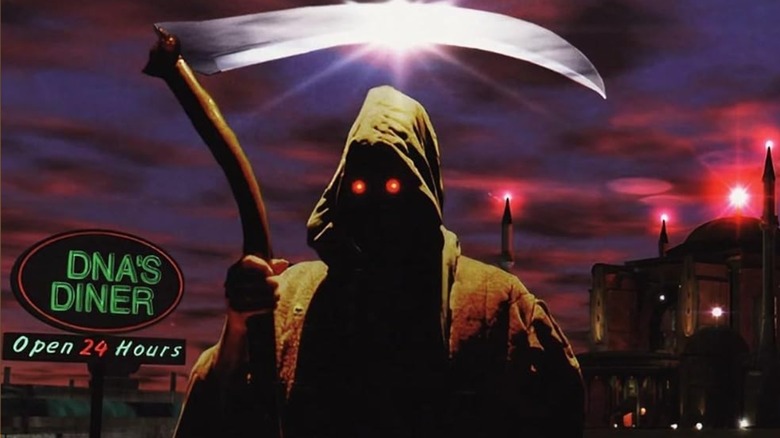
Video game violence can be a fickle thing, with some of the most controversial video games of all time relatively tame by today's standards. But for all the delicate sensibilities of the 1990s, there are some titles from the time that genuinely overdo their graphic content on occasion. Just as there were '80s horror games that were too disturbing for kids, there were excessively violent games released in the '90s, too. The level of unfiltered brutality in these games offsets what could've otherwise been a thoroughly enjoyable playing experience, even with the awareness of its inclusion.
These titles from the '90s that took things too far have been included for different reasons — some made the list because of the sheer level of on-screen carnage, while others are here because of the uncomfortable types of violence committed within the game. Even with the passage of time, these games are still unsettling to revisit because of this brutal content. Here are five video games from the '90s that pushed violence way too far.
This article mentions sexual assault. If you or anyone you know has been a victim of sexual assault, help is available. Visit the Rape, Abuse & Incest National Network website or contact RAINN's National Helpline at 1-800-656-HOPE (4673).
Phantasmagoria
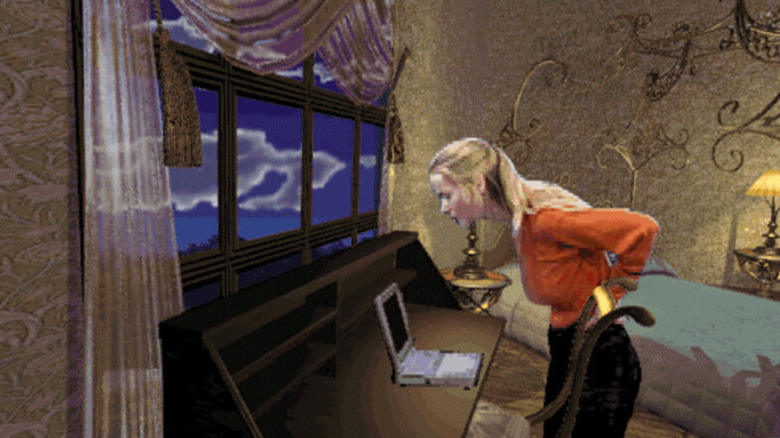
The 1995 PC title "Phantasmagoria" went ahead despite Stephen King rejecting an offer to work on the horror game. It features a very King-esque story: Protagonist Adrienne is a novelist who relocates to a New England mansion with her husband, Don, and accidentally unleashes a supernatural evil sealed away in a secret chapel on the property. Before long, Don has been possessed by the malevolent entity. He becomes progressively more violent as she investigates the dark history behind the mansion, and there's a shocking moment in which he sexually assaults Adrienne.
Because of the sexual assault scene and the other violent content in "Phantasmagoria," this controversial game was pulled from some stores. Looking back, the game could've conveyed the dangerous nature of Don's possession without including a scene of overt sexual violence. Making the scene more uncomfortable is the fact that the game revolves around full-motion video and live actors rather than digitized sprites. An atmospheric chiller marred by its inclusion of sexual assault, "Phantasmagoria" is a haunted house story for mature audiences only.
Harvester

"Phantasmagoria" wasn't the only '90s point-and-click game with FMV sequences and live-action actors that veered heavily into violence and included moments of sexual assault. The 1996 PC game "Harvester" has teenager Steve Mason wake up in the town of Harvest in 1953 with no memory of who he is or how he got there. As Steve explores the town trying to regain his memories, he encounters hostile locals and the overriding sense that the community just feels unsettlingly off. After meeting another amnesiac, a woman named Stephanie, Steve must endure a series of increasingly twisted trials that test his sanity.
"Harvester" is an exploration of the darkest corners of the human psyche, probing how far someone will go to either fit in or escape. Players have to commit incredibly gruesome acts in order to progress through the game, including dismemberment and murder. Like "Phantasmagoria," since these sequences are carried out by live-action actors, it makes the scenes that much more disturbing. In "Harvester," brutal violence and murder is the point, but it still remains a gruesome pill for players to swallow even today.
Carmageddon
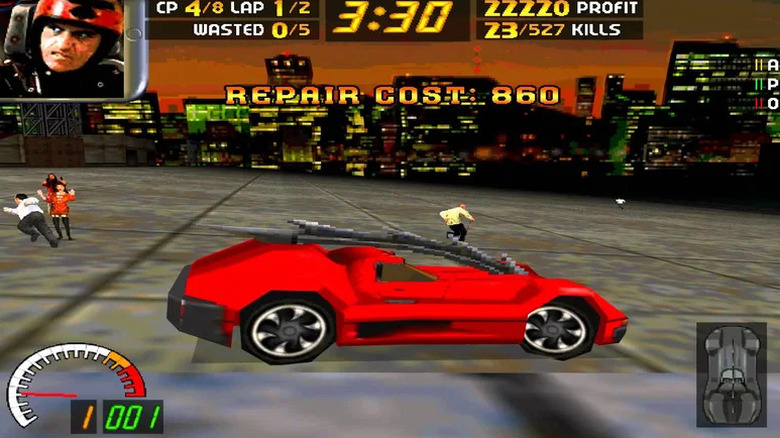
Vehicular combat games saw a boom in the '90s through franchises like "Twisted Metal" on the original PlayStation. British developer Stainless Games dove into the high-octane genre with 1997's "Carmageddon," blending conventional racing gameplay with absolute vehicular carnage. Players could win each race by traditional means, completing sections of a track within a certain amount of time while trying to be the first to finish. However, time is added when players destroy their competitors' vehicles or run over pedestrians around the tracks.
The developers added the incentive of running over pedestrians as a way to distinguish "Carmageddon" from its contemporaries and seem more provocative. The game certainly succeeded on the latter score, getting banned from release in several places, including Brazil. The British release originally saw red blood replaced with a strange green substance until a court case overturned a ban of the original version. A '90s video game that aged terribly, "Carmageddon" was a destruction derby that went too far in trying to stand out from the crowd.
Thrill Kill
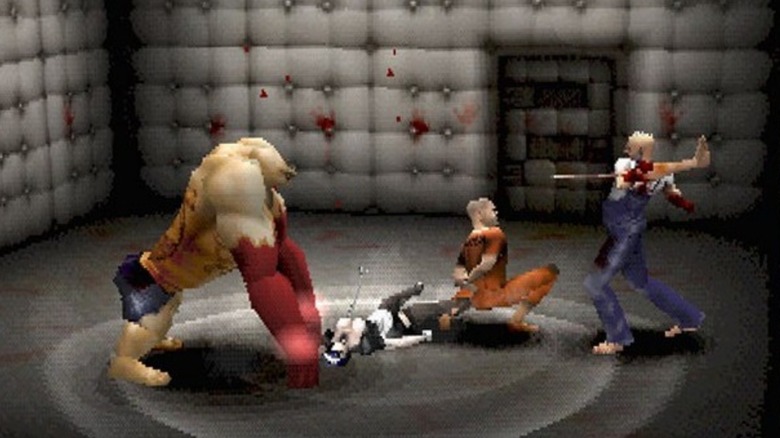
"Thrill Kill" is the only title on this list that was canceled right before its release, specifically because of its graphic content. Intended for a 1998 release on the PlayStation, it's an arena-style 3D fighting game that supports up to four simultaneous players through the console's multitap peripheral. The game is set in Hell, with the playable characters all condemned for committing ghastly sins prior to their respective deaths. The characters are offered the chance of reincarnation if they brutally kill their opponents any way available to them.
A chaotic four-player 3D fighting game could've been a lot of fun, but "Thrill Kill" was a game that tried too hard to be edgy. It was needlessly gory, with players encouraged to rip off their opponents' limbs and beat them to death with them and various stages featuring different ways to execute characters. Just weeks ahead of its wide release, the video game was banned in the United States, with only bootleg versions available online. It was more violent than "Mortal Kombat" while retaining none of the charm.
Kingpin: Life of Crime
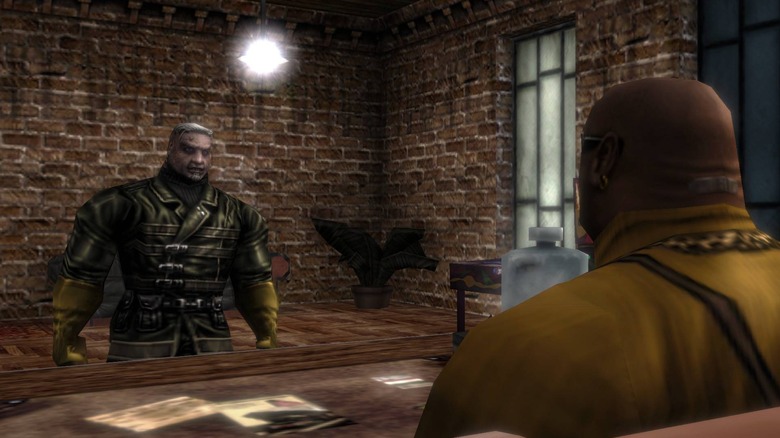
When it comes to the 1999 first-person shooter "Kingpin: Life of Crime," it's a matter of the wrong game at the wrong time. It's set in a dystopia within an ambiguous time period where organized crime controls much of society. The player character is beaten up severely in the game's opening by crooks working for the city's powerful Kingpin and vows revenge. Using a variety of weapons, the protagonist dismantles the Kingpin's enterprises throughout the city and annihilates his small army.
"Kingpin: Life of Crime" tried to veer in a much more mature direction, including frequent profanity and more realistic violence. This included visible bullet holes left on enemies, tailored reactions to being shot in specific body parts, and retreating enemies leaving trails of blood to follow and finish them off. It was released shortly after the Columbine High School massacre, resulting in several major retailers refusing to sell it. Even separated from that tragedy over time, "Kingpin: Life of Crime" is a gritty and intentionally nasty piece of work compared to other '90s FPS titles.