
5 Video Games From 1982 That Completely Took Over Arcades
The arcade scene was alive and thriving for much of the '80s, with titles released during the decade that changed gaming forever. That distinction is certainly true of 1982, which featured its own fair share of blockbuster games. From sequels to previously established classics to brand-new properties, there were plenty of huge releases throughout the year. This critical and commercial success spread to racing titles, platformers, maze crawlers, and puzzle games, highlighting how diverse the medium had become and the sheer variety of arcade titles.
We've gathered some of the biggest arcade releases from 1982, many of which are still widely recognizable to modern gamers. Several of these titles continued or spawned their own prolific franchises, expanding their individual legacy. Decades later, these games hold endless replay value even as the medium grows more technologically advanced and sophisticated. Here are five video games from 1982 that completely took over arcades and thrilled fans around the world.
Ms. Pac-Man
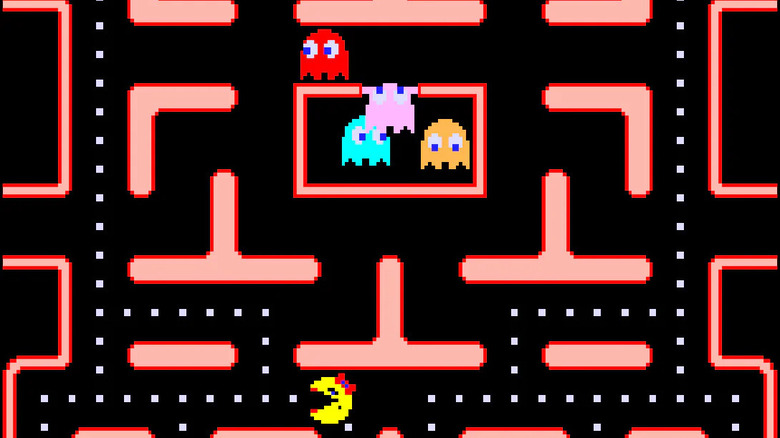
After the original "Pac-Man" took the world by storm in 1980, a sequel became something of an inevitability. In the wake of countless "Pac-Man" clones, Midway Games released its own follow-up with "Ms. Pac-Man" in February 1982. The game retained the basic gameplay and presentation as its predecessor, albeit with Pac-Man redesigned to wear a pink hair bow and makeup reflecting the change in protagonist. Other than that, the goal is the same, with players advancing to the next level by eating all the dots within a maze while being pursued by colorful ghosts.
"Ms. Pac-Man" takes the formula from the original game and refines the speed and maze layouts to great effect. The eponymous protagonist was changed after the developers noticed a significant portion of the preceding title's fanbase was female. Midway's intuition proved to be on point, with the title becoming the highest-earning arcade game of 1982. Helping to make "Pac-Man" into a franchise worth billions, "Ms. Pac-Man" avoids the sophomore slump with its clever gender swap.
Dig Dug
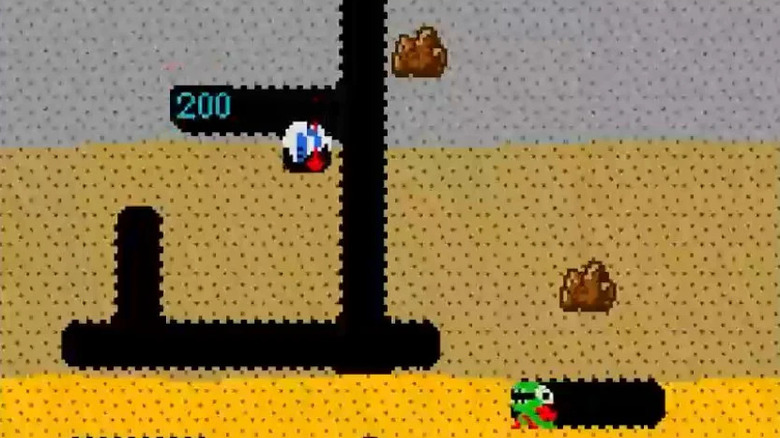
Namco took things in a subterranean direction for its game "Dig Dug," which revolved around players digging underground as its core gameplay mechanic. As the eponymous protagonist digs downward, he encounters different enemy types, with the game advancing to the next level after all antagonists on-screen are defeated. This can be done by Dig Dug maneuvering himself close to enemies and either inflating them until they pop or dropping boulders on them. In contrast to Dig Dug, the enemies can move through the dirt — where they're invulnerable — until reaching a hollow tract once again.
"Dig Dug" was a huge success when it was released in March 1982, both in its native Japan and the North American market. The game was the second highest-earning arcade game in Japan in 1982 while it generated over $46 million in revenue in North America. The game was eventually ported to a number of home platforms, including the Atari 2600 and the Nintendo Famicom. Solidifying Namco's dominance over the video game industry at the time, "Dig Dug" was another vital hit for the Japanese game developer.
Donkey Kong Jr.
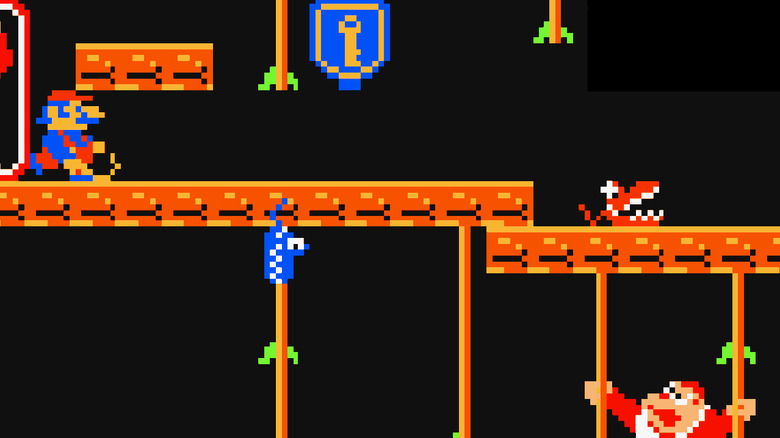
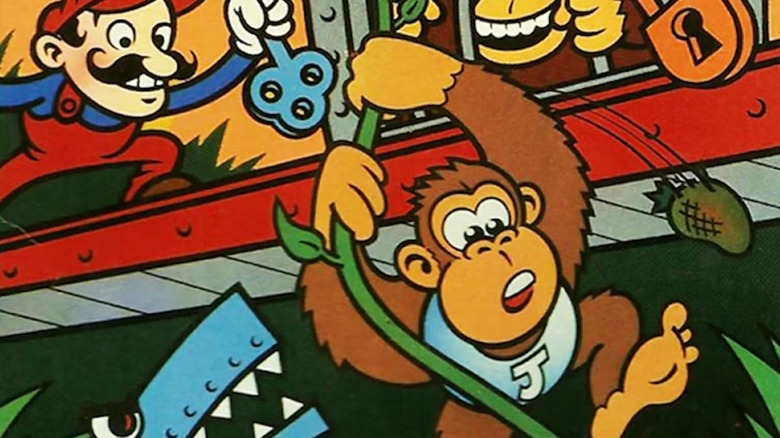
After Nintendo cemented its place in the North American market with 1981's "Donkey Kong," it flipped the script by making Mario the antagonist in the following year's "Donkey Kong Jr." After the events of the prior game, Mario captures Donkey Kong and keeps him caged in a jungle. The gorilla's young son climbs a system of vines in an effort to free his imprisoned father. Donkey Kong Jr. has to avoid hostile animals prowling each level and trying to impede his progress as he continues his rescue mission.
"Donkey Kong Jr." is a worthy sequel, completely changing up the gameplay from its predecessor while advancing the story. This change-up was appreciated by gamers, with "Donkey Kong Jr." becoming the eighth highest-earning game in Japan in 1982. Nintendo would later try to follow the game's success with the educational title "Donkey Kong Jr. Math," though this spin-off became a huge commercial failure. Solid proof that Nintendo and "Donkey Kong" were not one-hit wonders, "Donkey Kong Jr." helped the company maintain its momentum.
Pole Position
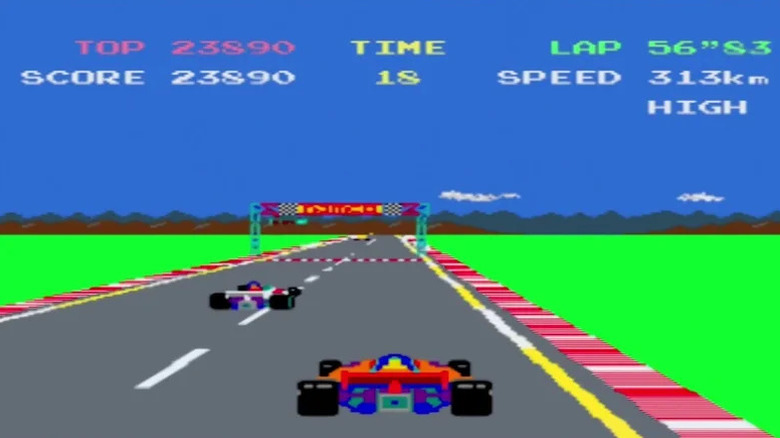
One last Namco-developed arcade game to mention is the racing title "Pole Position," which was released in September 1982, with its North American distribution handled by Atari. The game replicates the Formula One experience, with players driving around a recreation of the Fuji Speedway in Japan. After completing a one-lap qualifying time trial, players participate in the race against CPU competitors on the track. While avoiding hazards, players gain bonus points and time for passing every opposing car, with the game ending either after time has run out or the final lap is completed.
"Pole Position" may be a hit '80s game no one remembers today, but it was a very big deal throughout the decade. The title was the highest-earning arcade game in Japan in 1982, while the game shipped over 21,000 arcade cabinets in the United States. Grossing more than $62 million in North America, the game averaged weekly earnings of $9.5 million from eager players. "Pole Position" spawned a sequel the following year and was ported to several major home platforms, keeping the title popular.
BurgerTime
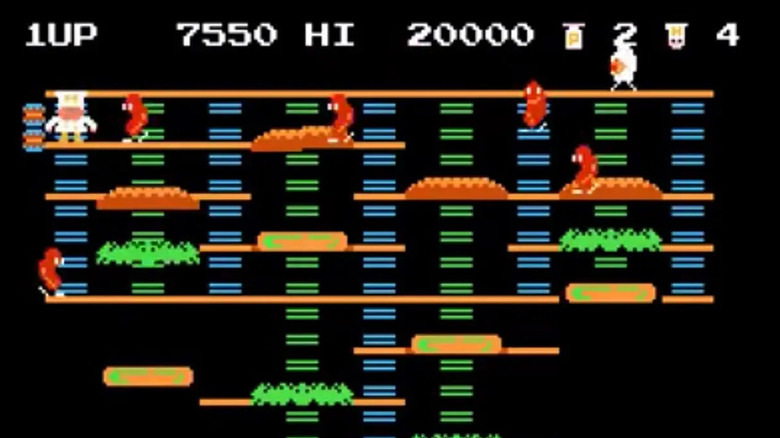
Plenty of arcade games revolved around food themes, but few did it better than the classic "BurgerTime." Launched in August 1982, the game has chef Peter Pepper trying to make burgers out of colossally sized ingredients, walking across them to get them to fall in place. As Peter climbs ladders to build these gigantic burgers, he is pursued by hostile foodstuffs relentlessly hunting him down. Peter can fight back by stunning them with fistfuls of pepper or dropping ingredients on top of them as he tries to finish his odd cooking assignment.
With its inventive premise, "BurgerTime" provides an enormous amount of fun, with players dodging enemies as they assemble a comedically oversized burger. The game was the 11th highest-earning game in Japan in 1982 and was also well-received in North America. Yes, the whole thing was unabashedly silly, but it's the gameplay that keeps players coming back. An early '80s arcade game that defined the medium's golden age, "BurgerTime" is an addictive romp.