
5 Hit Nintendo DS Video Games No One Remembers Today
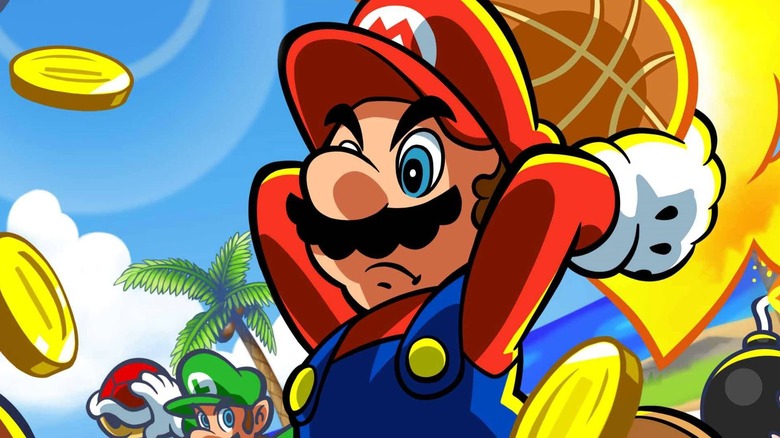
The Nintendo DS was a widely beloved handheld device and, for a time, was Nintendo's best-selling console in its history. Many of the company's biggest franchises had their own DS-exclusive titles while the handheld saw a significant amount of third-party support, bolstering the console's library further. With so many fan-favorite games for the Nintendo DS, it's inevitable that some have fallen out of relevance and visibility in the years since Nintendo shifted its focus to other platforms. Even the biggest properties in modern gaming aren't immune from losing their wider recognition over the years and we're highlighting some forgotten favorites here.
We're looking at games that were commercial and critical successes at the time of their initial launch but have since grown considerably more obscure. The titles included here range from spin-offs of popular franchises to original games that didn't live beyond the DS generation. These are games that still have vocal fanbases but just don't quite have the staying power with the general public as their more prominent counterparts. Here are five hit Nintendo DS video games no one remembers today, despite their past commercial success.
Sonic Rush
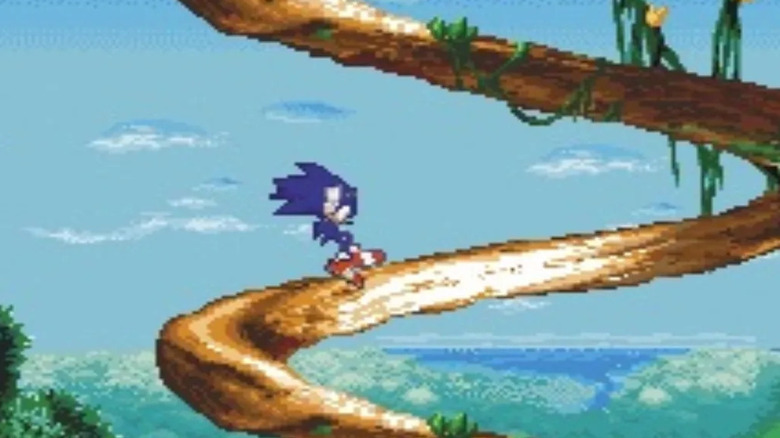
After the Sega Dreamcast completely failed, the company's iconic gaming properties began appearing on other platforms. This included Sega's flagship character, Sonic the Hedgehog, moving to Nintendo consoles, including the DS. The first Sonic game for the handheld console was 2005's "Sonic Rush," a 2.5D platformer that blended 3D environments with side-scrolling gameplay. The game follows Sonic and Blaze the Cat as they take on Doctor Eggman and Eggman Nega in order to stop the mad scientists from collecting the Chaos and Sol Emeralds.
"Sonic Rush" went on to sell an impressive three million copies and even led to the release of a direct sequel, 2007's "Sonic Rush Adventure." But compared to the "Sonic Advance" trilogy on the Game Boy Advance and the home console games, nobody seems to talk about the franchise's DS titles anymore. While resurfacing in "Sonic Rush Adventure," Blaze was relegated to guest and supporting roles in the franchise's spin-offs rather than returning in mainline titles. "Sonic Rush" deserves more credit for keeping the classic elements of the franchise alive, especially compared to the following year's infamous "Sonic the Hedgehog" in 2006.
Pokémon Ranger
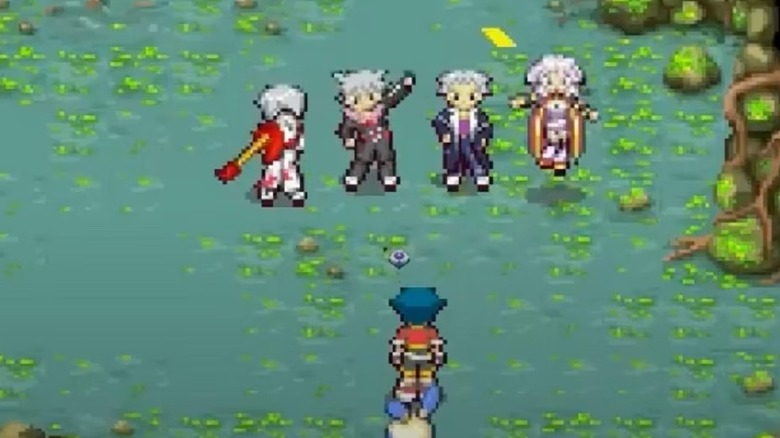
Some of the best Pokémon games of all time were released on the Nintendo DS, including mainline titles like "Pokémon Diamond & Pearl" and "Pokémon Black & White." The franchise also released several spin-offs on the DS, including 2006's "Pokémon Ranger," with the player character working as a wildlife ranger in the franchise's Fiore region. Rather than trying to prove that they're the very best by defeating Pokémon Gym Leaders and other Trainers, players advance the story by completing objectives with the help of Pokémon. Players can still collect Pokémon, albeit temporarily, and engage in battles, notably against the villainous Go-Rock Squad.
While retaining some of the franchise's core concepts, "Pokémon Ranger" experimented with what the series could be, bringing a clearer narrative experience to the forefront. "Pokémon Ranger" proved to be a hit with fans, going on to sell nearly three million copies worldwide. The game spawned two sequels of its own, with 2008's "Pokémon Ranger: Shadows of Almia" and 2010's "Pokémon Ranger: Guardian Signs," both for the DS. But after the DS era, this is one Pokémon spin-off series that did not continue on subsequent Nintendo platforms despite the franchise's enduring popularity.
Mario Hoops 3-on-3
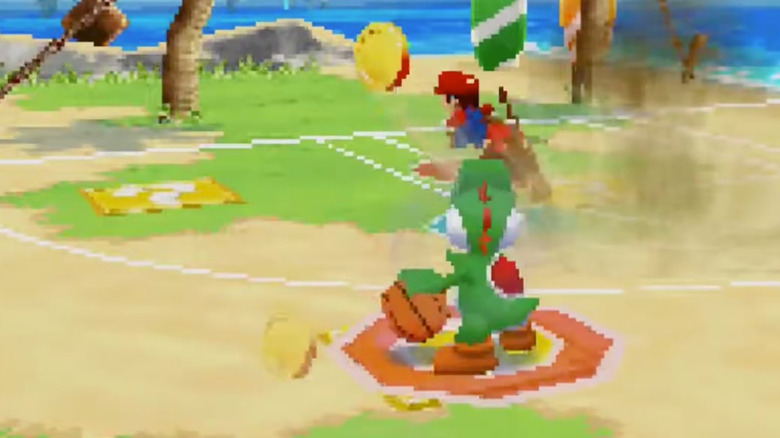
Mario has been featured in Nintendo sports titles since the Nintendo Entertainment System, but things took a strange turn on the DS. While the 2006 game "Mario Hoops 3-on-3" seems innocuous enough on the surface, the spin-off is a stealth crossover title with the "Final Fantasy" franchise. As the title suggests, the game revolves around teams of three taking each other on in basketball games on a variety of distinct stages. Among the playable characters to choose for teams are the White Mage, Black Mage, Moogle, Cactuar, and Ninja from developer Square Enix's "Final Fantasy" games.
Though "Mario Hoops" is a sports mashup many may have forgotten about, the game did gangbusters numbers when it was released. The game sold 1.5 million copies by 2007, standing among the best-selling titles published by Nintendo for the DS. Nintendo and Square Enix revisited the concept for their 2010 Wii game "Mario Sports Mix," which also featured "Final Fantasy" playable characters, along with Slime from the "Dragon Quest" franchise. One of the weirdest game crossovers that you never heard about, "Mario Hoops 3-on-3" has to be seen to be believed.
Rhythm Heaven
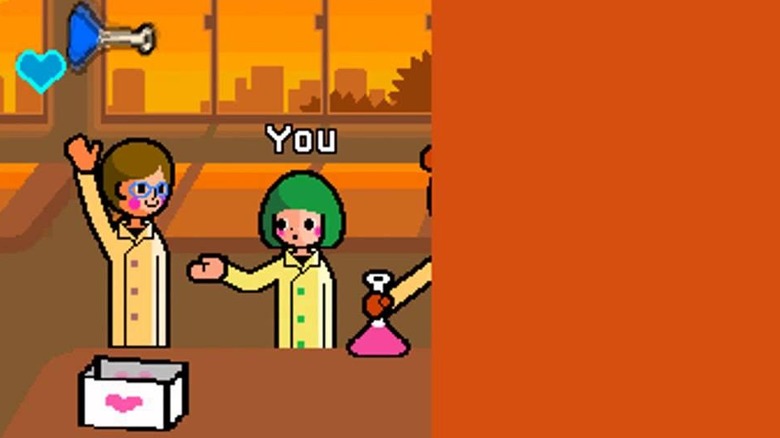
The 2006 Japanese-exclusive Game Boy Advance title "Rhythm Tengoku" received a sequel on the DS, "Rhythm Heaven," which saw a global release. The 2008 game features a collection of minigames set to a variety of songs, with players needing to complete tasks on the rhythm for a high score. The more top-ranked minigames and challenges that players complete, the more bonus content in the game that they unlock. In contrast to its GBA predecessor, "Rhythm Heaven" takes advantage of the DS' unique hardware, specifically its dual-screen display, bottom touchscreen, and inputs through its stylus.
Despite its relatively simple concept and presentation, "Rhythm Heaven" went on to sell over three million copies worldwide. This commercial success spawned two sequels, with 2011's "Rhythm Heaven Fever" for the Wii and 2015's "Rhythm Heaven Megamix" for the Nintendo 3DS. However, the game always felt like something of a niche from an era when rhythm games like "Guitar Hero" and "Rock Band" ruled the roost. In the meantime, the franchise is poised for a revival on the Switch with 2026's "Rhythm Heaven Groove," even as its DS blockbuster goes forgotten.
Tomodachi Collection
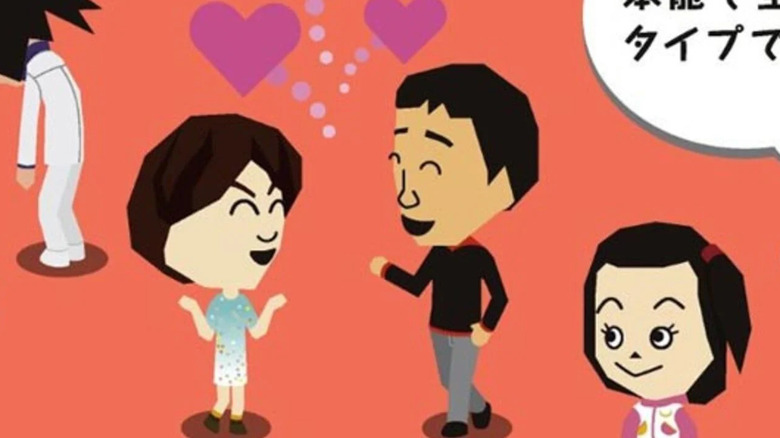
The Wii's firmware introduced the concept of players creating digital avatars, cheekily known as Miis, for a variety of games and activities. This concept was carried over to the DS with the 2009 game "Tomodachi Collection," which offers something of a social simulation experience. Players run an island-based apartment complex populated by Miis who can either be created for the game, transferred from DS consoles via WiFi, or imported from a Wii. While routinely completing minigames to keep the tenants satisfied, players are rewarded with additional customization options and areas of the island as the Miis form their own relationships.
Nintendo's inspiration for Miis can be traced to its SNES days, so it's fun to see it realized in an engaging way with "Tomodachi Collection." The game feels like the most cogent evolution of the Mii concept and succeeds where the PlayStation 3's similar title, "PlayStation Home," failed. Gamers certainly took notice and, by 2010, the game had sold well over three million copies, even with the title's exclusivity to Japan. "Tomodachi Collection" received sequels, with 2013's "Tomodachi Life" for the 3DS and 2026's "Tomodachi Life: Living the Dream" for the Switch, but its inaugural title is relatively obscure beyond Japan.