
5 Arcade Games From 1983 That Kids Couldn't Stop Playing
Though the industry may have been overshadowed by the video game crash of 1983, that year still saw the release of popular arcade games. The scene continued to thrive even as the wider market saw a major implosion before being resuscitated by Nintendo two years later. From top-down shooters to movie tie-ins and puzzle platformers, the arcade market put out a diverse line of fan-favorites throughout the year. These games helped keep the entire industry afloat as its major publishers regrouped and organized for a resurgence later in the decade.
From cult classics to some of the most iconic franchises in gaming, 1983 was marked by plenty of major releases. The arcade scene was still very much in its golden age and gamers had a lot to be excited about at their local game centers. This included technological advancements that brought arcade experiences to new heights in presentation and gameplay. These are five arcade games from 1983 that kids couldn't stop playing, as a sign of the medium's continued commercial importance.
Xevious
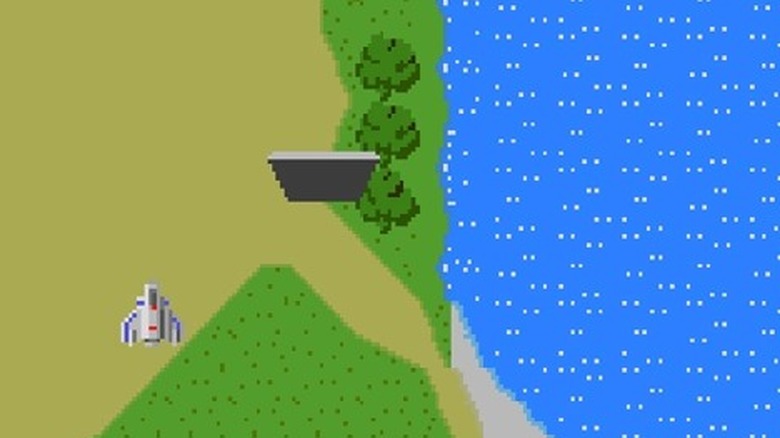
After the success of its space shooter "Galaga," Namco produced several other top-down flying shooter games. This includes the vertical shooter "Xevious," which featured lush and distinctly rendered environments rather than plainer starfield levels in strictly space-set titles. The game's story has an invading extraterrestrial force, known as the Xevious, attack Earth with the intent to wipe out mankind and seize control of the planet. The player's ship contains the usual blaster cannon and bomb payload to drop on land-based targets.
"Xevious" was huge in its native Japan and became the highest-earning game of 1983 in the country. While the game's commercial revenues weren't quite as impressive in North America, it still earned over $11 million in the region by the end of the year. The arcade title was ported to numerous home platforms and spawned its own franchise, starting with "Super Xevious" the following year. Though not as fondly remembered as "Space Invaders" or "Galaga," "Xevious" offers its own endless replay value as players blast through waves of enemies.
Star Wars
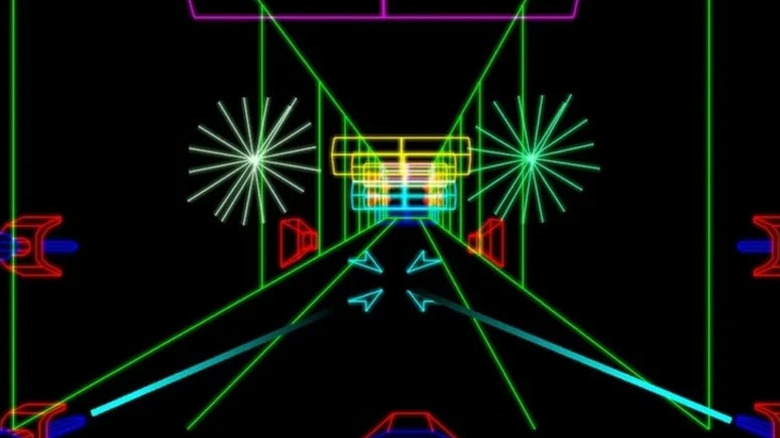
The first "Star Wars" arcade game wasn't released until 1983, the same year that the original film trilogy concluded. The game recreated the climactic battle of Yavin IV from the 1977 movie, divided across three different levels. The first two levels revolve around Luke Skywalker battling TIE Fighters around the Death Star from the cockpit of his X-Wing. The third and final level involves the final approach through a trench to the Death Star's exhaust port to destroy the Imperial battle station.
With a multi-level experience and vector-based graphical display, "Star Wars" was the closest way for fans to live out the space opera franchise's biggest moments in the years before home video. Atari manufactured almost 13,000 arcade cabinets for the movie tie-in game, which was an impressive number at the time. The game was subsequently ported to home platforms, including the Atari 2600, but nothing quite compared to the original arcade experience. While it doesn't stand among the best "Star Wars" games, the 1983 arcade title helped expand the Lucasfilm property to the gaming medium.
Mario Bros.
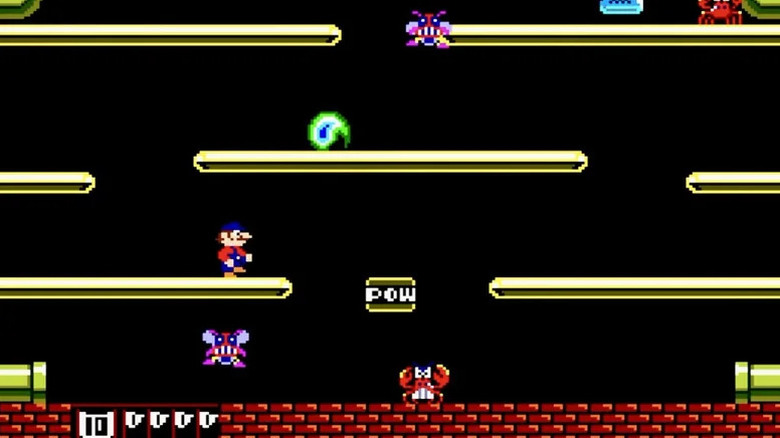
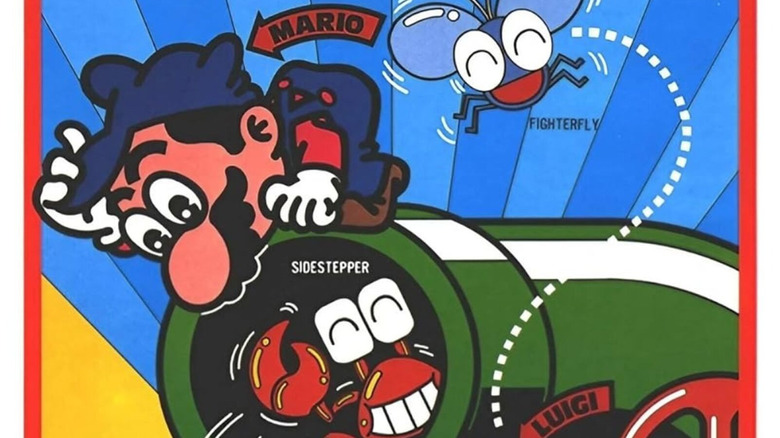
Two years before Mario took over Nintendo with "Super Mario Bros.," the flagship character starred in a separate arcade title simply titled "Mario Bros." The game has Mario and his newly introduced brother Luigi navigate a system of platforms with large pipes at the top and bottom of the screen. Various monsters, including turtles, crabs, and flies, periodically emerge from the pipes and roam the stage. To build their score, players flip these creatures by hitting the platforms under them and then kick them off the stage.
"Mario Bros." was initially a modest commercial success in North America, selling 3,800 arcade units by the end of 1983. By 1988, the game was considered a popular arcade title, helping Nintendo to set the stage for a wider brand awareness outside of Japan. This helped the Nintendo Entertainment System find a market in North America when it launched in the territory in 1985. A departure from what the "Super Mario" franchise would become, "Mario Bros." still struck a chord with gamers prior to the NES' arrival.
Dragon's Lair
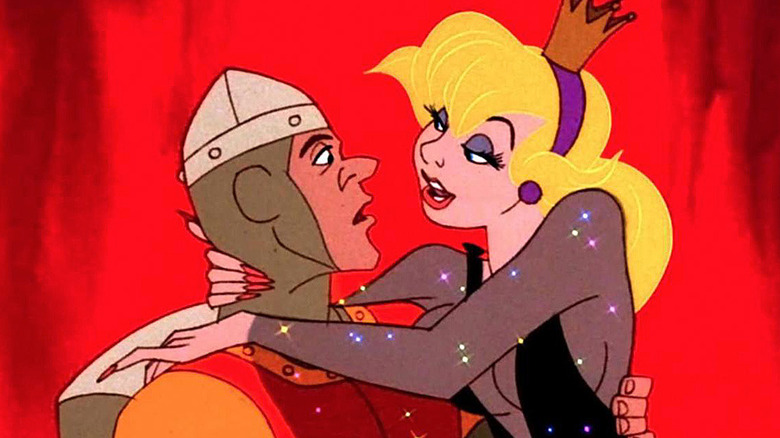
Compared to the usual pixelated titles on the market, there was nothing else that looked like "Dragon's Lair" when the game hit arcades in June 1983. Running on a LaserDisc drive, the game was essentially an interactive animated fantasy movie directed, designed, and produced by prolific animator Don Bluth. The story follows medieval knight Dirk the Daring as he ventures into a deadly castle to rescue the beautiful Princess Daphne. Players have to perform quicktime events to prevent Dirk from suffering a ghastly death during his quest.
Even though "Dragon's Lair" was one of the first arcade games to cost 50 rather than 25 cents, it still proved to be an enormous commercial success. The fantasy title became the third highest-earning arcade game of 1983 in North America, in no small part because it was way too hard, effectively stealing quarters. Regardless of the minimal margin for error to get the quicktime inputs in successfully, the game helped fuel interest in LaserDisc drive games. A visual marvel compared to its immediate contemporaries, "Dragon's Lair" was as popular as it was unforgiving.
Spy Hunter
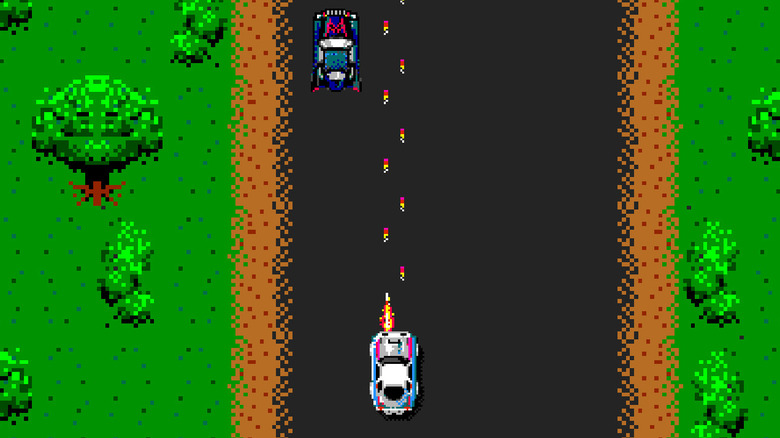
Top-down driving games got an explosive and espionage-flavored twist with the high-octane title "Spy Hunter" by Bally Midway. Players control a spy driving a heavily upgraded sports car fitted with advanced gadgets and an elaborate weapons system. The spy character is attacked by cars and helicopters trying to destroy them, with the player's arsenal including a machine gun, missiles, and oil slicks to fight back. At certain portions of the endless track, the car transforms into a speedboat and takes enemies on the water before returning to its sports car form to resume the drive.
"Spy Hunter" went on to become one of the highest-earning arcade games of 1984 and was foundational in terms of road-based vehicular combat titles. Interestingly, the game was originally intended to be based on the James Bond license, but became its own original property when the rights couldn't be secured. This pop culture influence can still be seen in the final game and its subsequent line of high-speed sequels. A fun change of pace from other contemporary driving games, "Spy Hunter" is a colorful thrill ride.