
5 Video Games From The '90s That Killed Arcades
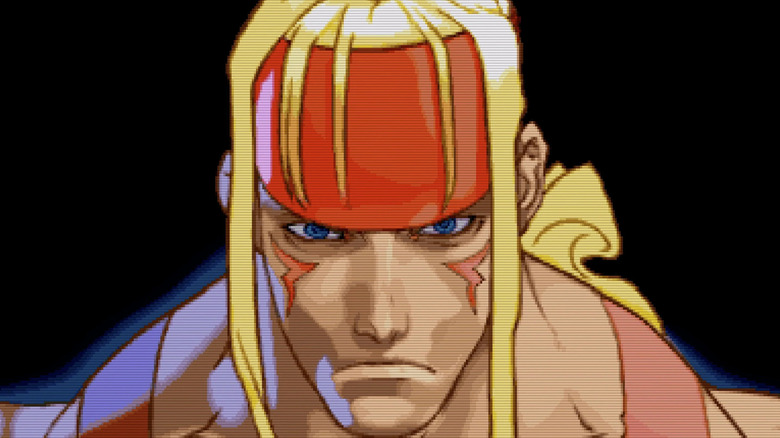
While arcade games used to be industry powerhouses in the '70s and '80s, their dominance decisively broke during the '90s. The proliferation of comparably powerful home gaming platforms and more publishers turning their attention to them doomed the arcade market. Ultimately, gamers chose to save their quarters for titles that they could own and revisit from the comfort of their homes, rather than paying per session on an arcade cabinet. Though there are '90s arcade games that still hold up today, the medium experienced a long decline across the decade.
With that in mind, we're highlighting the games that hastened the arcade scene's eventual fall from industry prominence. These are games that may not have been poorly received in terms of gameplay, but were commercial flops during their arcade release. These visible setbacks prompted publishers to look towards consoles and PCs for a greater guarantee of success rather than the arcade market. Here are five video games from the '90s that killed arcades, effectively making the platform something of a niche.
War Gods
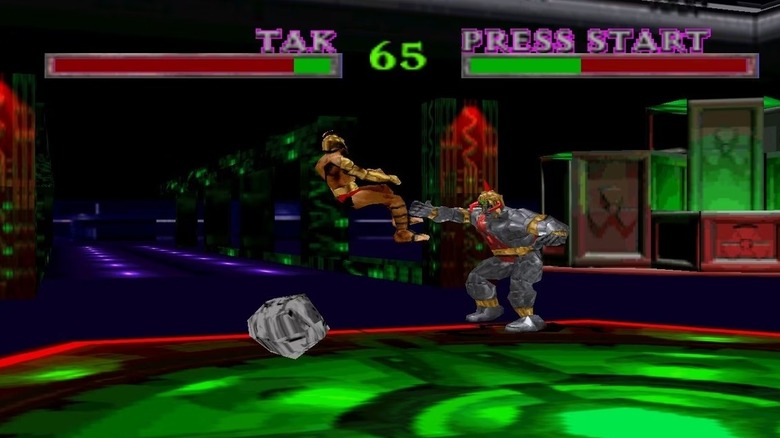
Midway Games had tremendous success in the arcade scene in the early '90s with titles like "NBA Jam" and "Mortal Kombat." In trying to replicate the latter franchise's popularity, Midway created its own game that tried to copy "Mortal Kombat" with 1996's "War Gods." A 3D fighting game, the title's premise has a mysterious meteorite land on Earth, turning a small group of individuals into demigods. These super-powered warriors battle each other for global supremacy before taking on the aliens responsible for the meteorite.
"War Gods" served as something of a precursor to Midway shifting its flagship fighting game franchise "Mortal Kombat" to 3D, even retaining the finishing move mechanic. However, Midway failed to create another enduring fighting game franchise, even with the bells and whistles of its 3D presentation. The game flopped with both its arcade game original version and its console ports, criticized for its clunky controls and uninspired gameplay. While fighting games dominated the first half of the '90s, "War Gods" signaled that the age of "Street Fighter" and "Mortal Kombat" in arcades was coming to an end.
NBA Jam Extreme
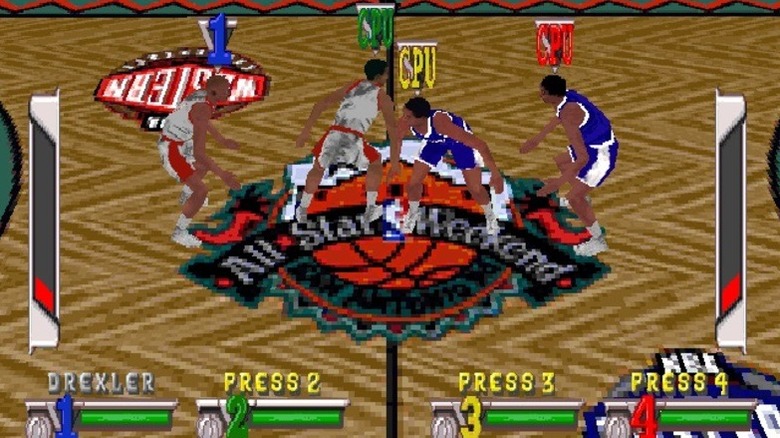
"NBA Jam" was an absolute powerhouse when the sports game franchise launched, becoming the highest-earning arcade game of 1993. Acclaim Entertainment took the reins on the series starting with 1996's "NBA Jam Extreme," which was also the franchise's first 3D-animated title. This iteration of the game retained the preceding installments' two-on-two competitive gameplay but attempted a more immersive perspective. Apart from the expanded on-court scope and 3D presentation, the gameplay featured an Extreme mechanic, temporarily boosting the players' performance.
In contrast to prior titles in the series, "NBA Jam Extreme" received a noticeably lackluster critical reception, citing its less intuitive gameplay and mediocre technical presentation. The game was the last in the series to receive an arcade release and subsequent entries never recaptured the glory of its early releases. By contrast, Midway, who developed the first two "NBA Jam" games, saw much greater success with its new basketball franchise, "NBA Hangtime." Sports titles in the arcade market had received blockbuster success with "NBA" but as quickly as 1996, the franchise was a shadow of its former self.
Red Earth
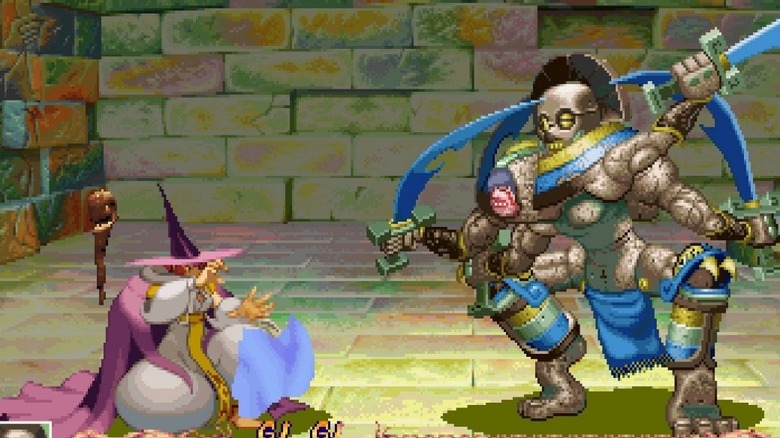
Buoyed by the incredible success of its "Street Fighter" franchise, Capcom published a whole wave of arcade fighting games throughout the '90s. However, by the decade's halfway point, the commercial viability of the arcade market began to noticeably falter. To revamp its arcade presence, Capcom produced the CP System III hardware, significantly improving its titles, with the first game to use this technology being 1996's "Red Earth." The game is set in a medieval fantasy world, with a host of champions slaying monsters and rivals as they seek to topple the evil Scion.
Despite boasting its use of Capcom's powerful new arcade hardware, "Red Earth" got an extremely limited North American release. The company produced a handful of other games using the CP System III, but the fighting game genre's hold over the arcade scene had slackened considerably. As such, "Red Earth" didn't get a home console port until 2022 as part of the "Capcom Fighting Collection" compilation, finally introducing it to a wider audience. However, the decline of fighting games in '90s arcades was far from isolated to "Red Earth" or even titles published by Capcom.
Street Fighter III: New Generation
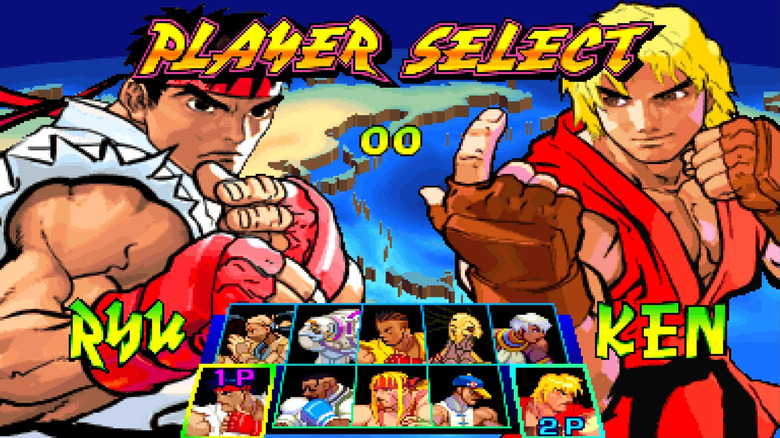
In 1991, "Street Fighter II: The World Warrior" revived the arcade market to levels of popularity it hadn't seen since the early '80s. Just six years later, the release of its full sequel "Street Fighter III: New Generation" saw a very different state of the gaming format. Boasting a largely new playable roster, the only two returning "Street Fighter" characters in the 1997 game were franchise mainstays Ryu and Ken. This ensemble participates in a new global martial arts tournament before taking on the villainous demigod Gill.
The original "Street Fighter II" sold over 50,000 arcade cabinet units worldwide in a tremendous coup for Capcom. Comparatively, "Street Fighter III" sold around 10,000 arcade units, showing a huge downturn for the franchise and the arcade market in general. To make matters worse, the 1997 game carried a reported production budget around $8 million, an expensive price tag at the time. While "Street Fighter III" would eventually find its audience thanks to updates to the game and subsequent home ports, the franchise's arcade prospects were in a state of freefall.
Fatal Fury: Mark of the Wolves
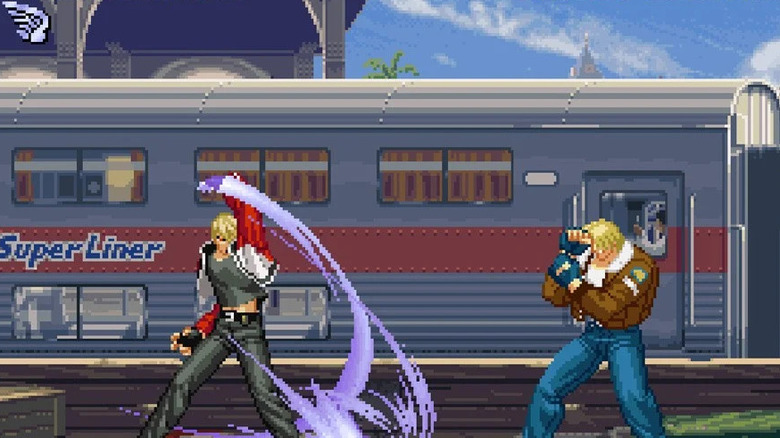
SNK's answer to the original 1987 "Street Fighter" was "Fatal Fury," with the franchise created by "Street Fighter" creator Takashi Nishiyama. Set in the Florida city of South Town, the game features Bogard brothers Terry and Andy battling various crime lords, including the notorious Geese Howard. The series' last installment for 26 years was "Fatal Fury: Mark of the Wolves," which debuted in arcades in 1999. Set 10 years after the events of "Real Bout Fatal Fury," the game follows an older Terry mentoring Geese's son Rock Howard as they face a new generation of fighters.
While moderately successful in North America, "Fatal Fury" ultimately became way more popular outside of the United States. "Mark of the Wolves" marked one last attempt by SNK to appeal to American arcade gamers, but its failure put the property on ice for over two decades. The game was critically well-received, but publications noted that nobody seemed to play it or its Dreamcast port. SNK's last great fighting game of the '90s, "Fatal Fury: Mark of the Wolves" deserved a far better commercial reception than it got.