
5 Best Video Games Like Baldur's Gate
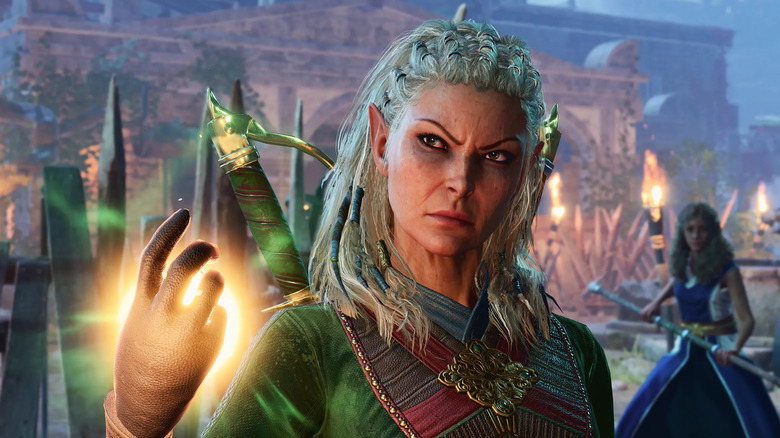
One of the best fantasy games of all time is "Baldur's Gate III," the latest installment in the fan-favorite RPG series. Based on the enormously influential "Dungeons & Dragons" franchise, the 2023 game has players form a small party to battle monsters in the Forgotten Realms. Infected by a Mind Flayer, the characters work together to find a cure, though players are given a myriad of narrative options, affecting the overarching story. Combat unfolds in turn-based gameplay with the outcomes of individual actions determined by dice rolls for both player characters and enemies alike.
Of course, "Baldur's Gate" is far from the only fantasy franchise to incorporate a similar party system and RPG gameplay. The industry has seen plenty of memorable titles over the past several decades that offer their own distinct twist on the genre and gameplay mechanics. We're highlighting the acclaimed titles that hew the closest to Larian Studios' "Baldur's Gate III" and are still available to play on modern platforms. With all of that in mind, these are the five best video games like "Baldur's Gate" to keep the fantasy RPG fun going.
Icewind Dale
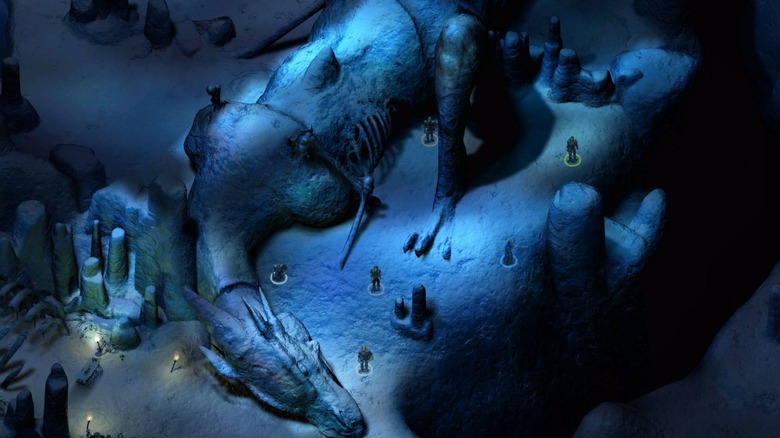
Another video game series based on "Dungeons & Dragons" and its Forgotten Realms setting is "Icewind Dale." The game follows a band of adventurers investigating an evil force targeting local villages throughout the region. This quest takes them into cursed and abandoned areas within the kingdom as they try to find the source of this sinister development. The story culminates in a showdown with an army of demons that are plotting to invade the material plane and plunge the land into eternal darkness.
With a similar presentation as the original "Baldur's Gate," "Icewind Dale" has its own immersive approach to the "Dungeons & Dragons" franchise. This includes a real-time combat system, though players do have the option to pause the proceedings and change their course of attack. Players can create and customize their party, consisting of up to six heroes, including determining the individual characters' classes, races, and morality alignment. Remade for modern platforms in 2014, "Icewind Dale" is a foundational game for the genre heading into the 21st century.
Dragon Age: Origins
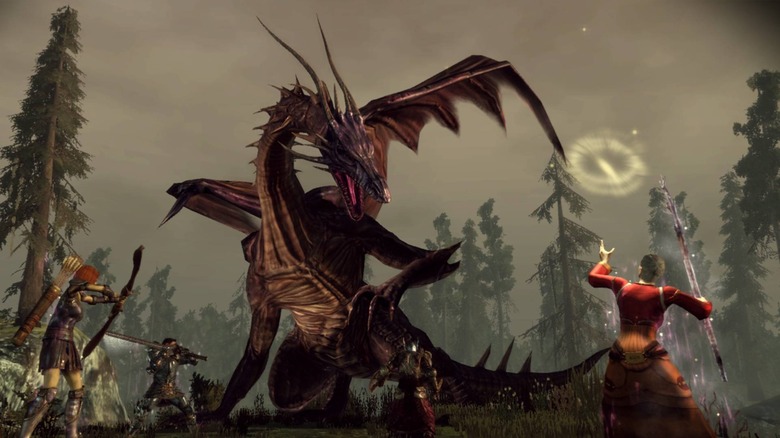
Bioware had gotten its start developing classic fantasy RPGs, including the original "Baldur's Gate" and the "Neverwinter Nights" series. The studio went back to its medieval fantasy roots with the 2009 title "Dragon Age: Origins," which launched its own franchise. Set in the realm of Ferelden, a subterranean army of monsters, known as the darkspawn, launch an invasion of the surface and wipe out an early attempt to stop them. The player character leads a small party across Ferelden to gain allies for a last stand against the rising darkspawn in a furious battle.
"Dragon Age: Origins" builds its own sweeping mythology, including the complex and complicated history behind its numerous races and factions. This world-building extends to the player character, with gamers given the option of choosing between six distinct and fully realized backstories complementing the main story in their own way. The combat unfolds in real-time, but players can pause and order the characters what to do next in each skirmish. While "Dragon Age" produced a line of sequels of varying quality, the 2009 original still stands as the unsurpassed installment.
Pillars of Eternity
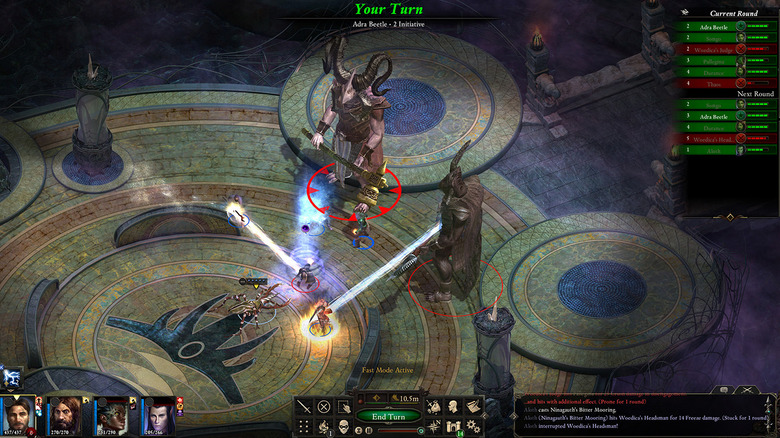
Obsidian Entertainment, the studio behind acclaimed RPGs like "Fallout: New Vegas" and "The Outer Worlds," created its own party-based fantasy RPG with "Pillars of Eternity." The 2015 game takes place in the fantasy realm Eora, which is in the nascent stages of modernization, with the recent invention of firearms. Eora is beset by a religious cult stealing souls from its victims, leaving them comatose, with the player character able to interact with souls and their memories. Forming a band of heroes, the player character moves to defeat the cult and liberate the stolen souls as they discover the truth about the kingdom's religions.
"Pillars of Eternity" is visibly influenced by "Icewind Dale," with its similar combat system, emphasis on party dynamics, and overall presentation. The gameplay feels like a natural update of the PC-based fantasy RPGs from the late '90s and early 2000s, modernized without losing their core charm. The game's 2018 sequel, "Pillars of Eternity II: Deadfire" is even better, but it's best to experience the start of the story first. Both "Pillars of Eternity" and its sequel are video games you should play if you love "Dungeons & Dragons," while crafting its own distinct mythos.
Divinity: Original Sin II
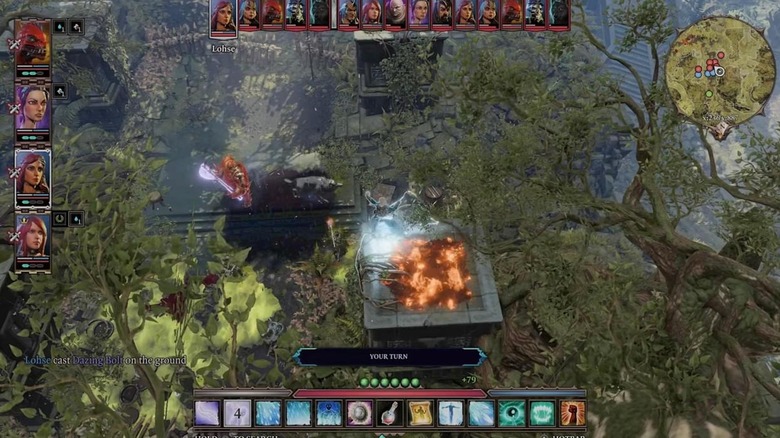
Unlike "Pillars of Eternity II," which is a direct sequel to its preceding game, "Divinity: Original Sin II" is a standalone sequel accessible to those who haven't played earlier installments. Parties of up to four characters defend the realm of Rivellon from monstrous creatures known as the Voidwoken. The player character is capable of tapping into a powerful magic, dubbed the Source, escaping custody defending the realm from these monsters and those that would persecute them. Like the preceding game, the title can be experienced solo or with a total of up to four players controlling each of the party members cooperatively.
"Divinity: Original Sin II" was one of the best video games of 2017, serving as the perfect jumping-on point for the series. The game revolves around a turn-based combat system, not unlike Larian Studios' future work in "Baldur's Gate," with a greater emphasis on environmental surroundings and less on character classes. The 2017 title also has character choices make a significant impact on how the story unfolds, inviting healthy replayability to experience its possibilities in full. An excellent precursor to what Larian Studios did with "Baldur's Gate," "Divinity: Original Sin II" provides its own comprehensive RPG experience to enjoy.
Solasta: Crown of the Magister
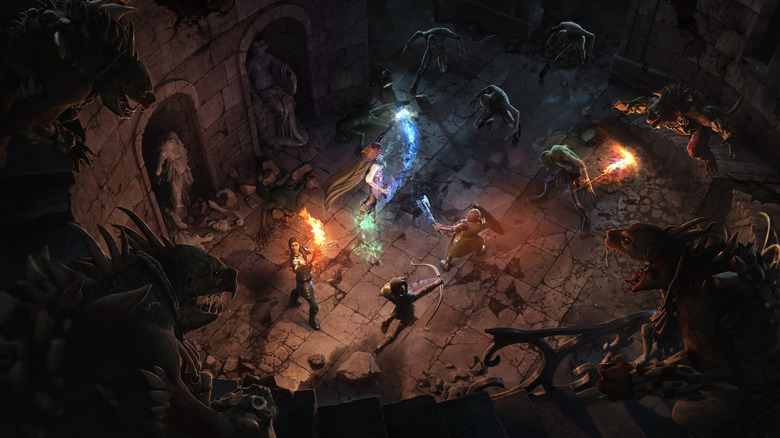
Another relatively recent game based on "Dungeons & Dragons" is 2021's "Solasta: Crown of the Magister" developed and published by Tactical Adventures. The game features a post-apocalyptic fantasy story, with a group of four adventurers banding together to explore the ruins of the old world. These heroes venture into dungeons around the realm to discover the cause of the prior cataclysm and prevent another one from taking place. In addition to the core gameplay, players can also design their own dungeons to play through and share with others.
"Solasta: Crown of the Magister" offers its own fun twist to the familiar fantasy genre, with several notable features. Aside from including cooperative multiplayer like "Divinity," the game also takes a special emphasis on environment, and things like altitude inform how the combat is affected. The game has since received a sequel, "Solasta II," which was released in early access in 2026. A cozy take on fan-favorite tropes within the turn-based RPG space, "Solasta: Crown of the Magister" subtly adds its own voice to the fantasy genre mix.