
5 Video Games From 1999 That Changed Gaming Forever
As the 1990s came to a close, it was clear that the future of gaming was looking very bright indeed heading into the 21st century. The video game medium advanced dramatically during this decade, and many games from the 1990s have aged flawlessly. This is especially true of 1999, which saw the release of several titles that changed the course of video game history for the better.
Online gaming was still in its nascent stages at the end of the '90s, as was the burgeoning esports scene, but the seeds for what the gaming industry looks like today were being sown at the turn of the millennium. The late '90s also saw the release of several single player games that would come to define their consoles and the era in general. Here are five video games from 1999 that changed gaming forever.
Team Fortress Classic
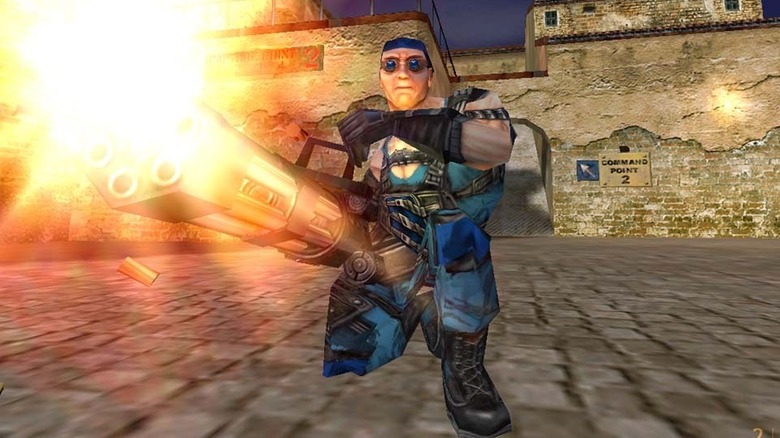
After the success of id Software's "Quake," modders began to use its assets and engine to create a wide range of unique gameplay experiences separate from the 1996 game, making it one of several games that secretly inspired modern franchises. One of the most enduring of these mods is the hero first-person shooter "Team Fortress." Players choose between a selection of classes, each with their own unique abilities and weapons, and engage in team-based gunfights
Impressed by what it saw, Valve Corporation acquired the rights to "Team Fortress" and refined the experience, using its game "Half-Life" as the basis in place of "Quake." In 1999, Valve's reworked version dropped under the name "Team Fortress Classic" and it became a hit. It paved the way for titles like "Counter-Strike" and similarly popular competitive first-person shooters that formed the bedrock of the esports scene.
EverQuest
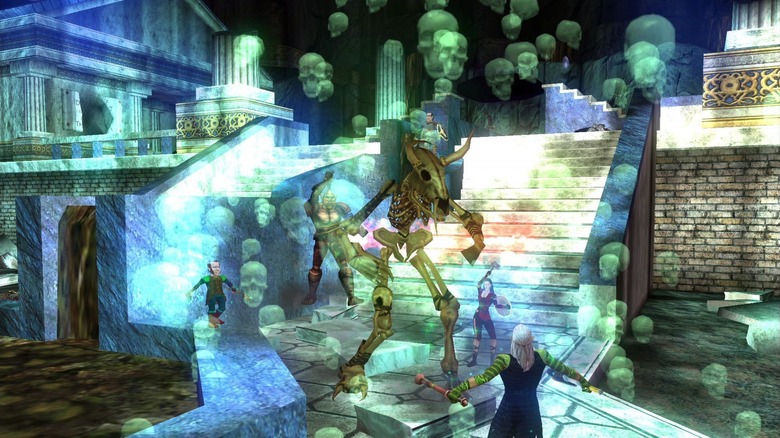
While online games existed before "EverQuest," this fantasy title helped lay the foundation for massively multiplayer online role-playing game (better known as MMORPGs) experiences in the 3D era. At launch, gamers had 14 different character classes to choose from as they explore the fantasy realm of Norrath. Battling monsters in real-time and embarking on quests, players steadily grow stronger as they gain experience. You can join guilds and engage in PvP duels against other players as they establish their own presence in Norrath.
The roots of modern MMOs like "World of Warcraft" can be traced all the way back to "EverQuest," a game that seriously punishes you for dying. It has provided fans with an immersive fantasy RPG experience that remains active over 25 years later. Even under changes of ownership, "EverQuest" consistently puts out regular updates and expansions to keep Norrath feeling fresh and exciting. It's the cornerstone of modern MMORPGs and it has a community that continues to thrive today.
Tony Hawk's Pro Skater
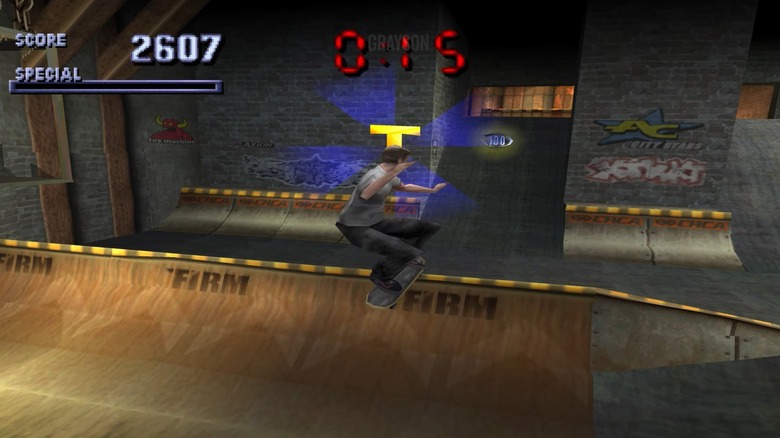
Though there were skateboarding games before Tony Hawk launched his own eponymous franchise, the genre was never the same after "Tony Hawk's Pro Skater." The game takes place in a variety of largely urban environments, with players successfully landing tricks to build their score. Players unlock additional levels by completing a set number of objectives in each stage within a time limit, including landing specific tricks and finding collectibles. The game includes a two-player competitive multiplayer, with three different game modes based around pulling off tricks.
"Tony Hawk's Pro Skater" not only introduced skateboarding and skate culture to a wider audience but it spawned its own franchise and wave of copycats. With its accessible gameplay and robust soundtrack, the title evokes an enduring late '90s vibe that appealed to a generation of gamers. Tony Hawk made millions from his "Pro Skater" games and he became a household name. The original 1999 game opened the floodgates for games based on BMX bikes, scooters, and inline skates, though its biggest legacy is the many sequels it spawned.
Medal of Honor
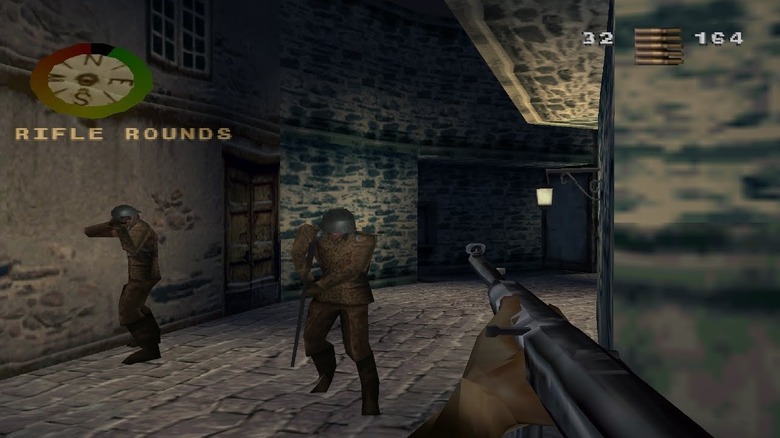
The '90s were dominated by first-person shooters, and one major franchise closed out the decade. 1999's "Medal of Honor" was made in the wake of the 1998 movie "Saving Private Ryan," with director Steve Spielberg instructing the team at DreamWorks interactive to create a realistic World War II game akin to "GoldenEye 007," something he'd seen his son and his friends enjoying at home. The resulting game has the player character working with the Office of Strategic Services behind enemy lines to sabotage the Axis war machine. It features a two-player multiplayer mode in addition to its single-player campaign.
"Medal of Honor" set the stage for bigger console-based first-person shooters to launch in the next several years. The "Call of Duty" franchise started out as a "Medal of Honor" clone, right down to retaining its WWII period setting for its initial installments. These two franchises would help define first-person shooters in the 2000s, with both series continuing in some form for years while "Call of Duty" remains a genre staple. Spielberg helped share the intensity of WWII in multiple mediums, with "Medal of Honor" solidifying his efforts to keep the conflict active in the public consciousness.
Shenmue
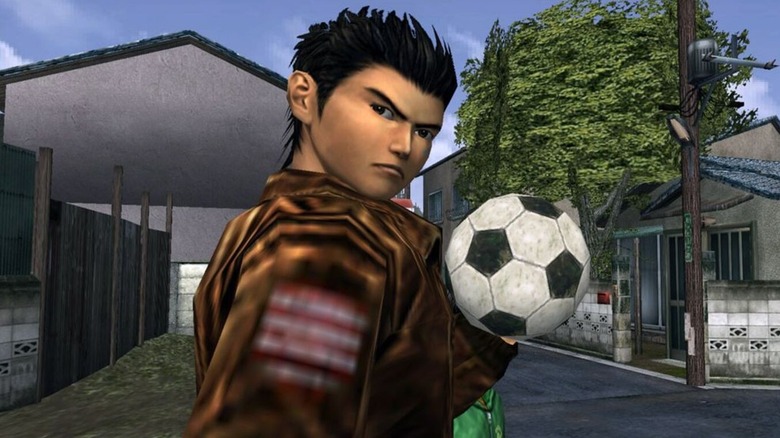
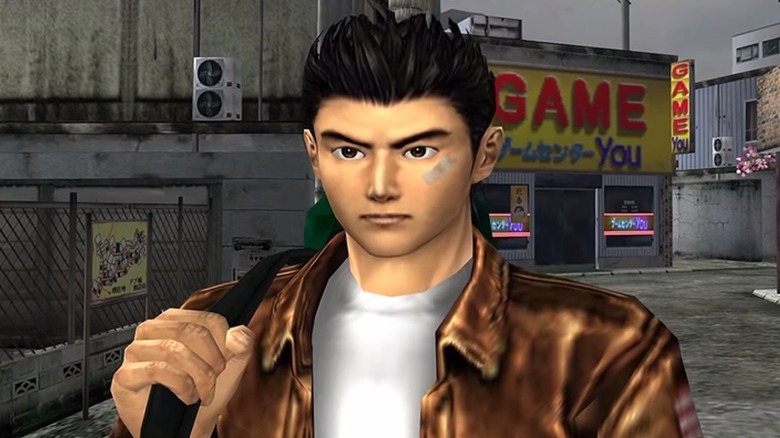
The Dreamcast title "Shenmue" changed gaming, but not in the way that Sega had hoped for. The company invested heavily in the project, with its development costs and marketing budget ballooning to a reported $70 million, making it the most expensive game ever at that time (though, in its defense, this also covered "Shenmue II," as the sequel was developed alongside the original). The game has Japanese teen Ryo Hazuki vow to avenge his father after witnessing his murder at the hands of the mysterious Chinese mob boss Lan Di. "Shenmue" provides players with an ambitious open-world experience as Ryo gathers clues to learn more about Lan Di, battling other local criminals along the way.
To be clear, "Shenmue" wasn't the sole reason that Sega exited the console market and pivoted to developing games, but it wasn't insignificant in informing that decision. The game was actually a huge commercial failure, with its bloated budget making it near-impossible to turn a profit. Just over a year after its launch (and eight months before "Shenmue II" hit shelves), Sega announced it was ceasing manufacturing the Dreamcast and shifting its focus to game development. "Shenmue" inadvertently marked the end of an era, but the game became a cult classic and still has a dedicated fanbase to this day.