
5 Video Games From 1991 That Defined The Action Genre
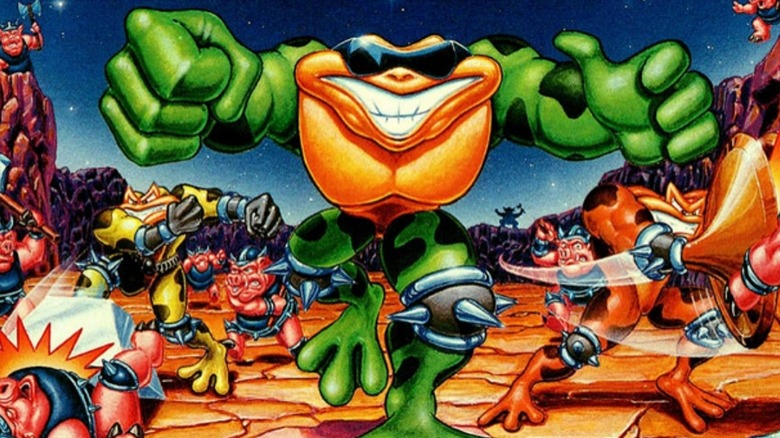
Video games were entering a new frontier as the '90s began, with the 16-bit era truly taking shape, led by the Sega Genesis and Super Nintendo. At the same time, arcade games were still a relatively popular draw while PC gaming grew increasingly more sophisticated. Among the genres that benefited from these technical advances are action games, which got a tremendous boost in the early '90s. This included everything from beat'em-ups and shoot'em-ups to action platformers earning more refined releases at the start of the decade.
This level up of action video games is certainly true of 1991 as the medium made bold strides forward. The year saw the launch of iconic franchises and ambitious reinventions of classic gaming properties. Some of the greatest action games of all time were released in 1991, with the rest of the genre taking notice and following suit over the subsequent years. Here are five video games from 1991 that defined the action genre for years to follow.
Teenage Mutant Ninja Turtles: Turtles in Time
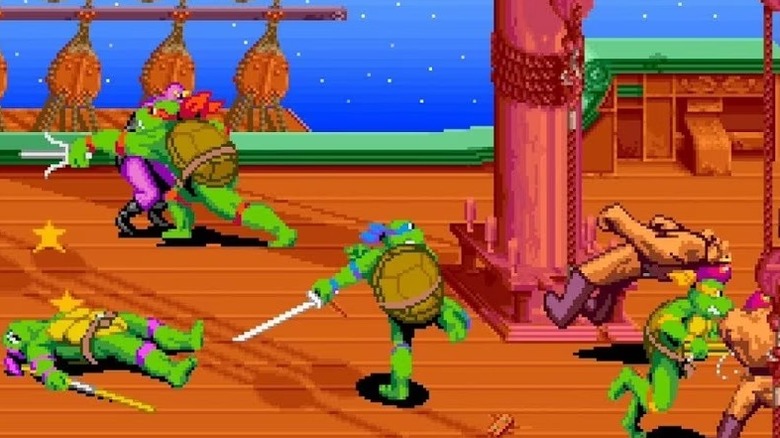
If there was ever a 1991 game that reaffirmed that the action genre would continue to thrive in the arcade scene, it was "Teenage Mutant Ninja Turtles: Turtles in Time." The second arcade game adapting the hit animated series, "Turtles in Time" opens with Shredder and Krang stealing the Statue of Liberty. The Ninja Turtles battle through the streets of New York City before confronting the villains at the Technodrome where they're transported through time. The brothers battle other time-displaced villains throughout history, including the Wild West and age of piracy, for a rematch against Shredder.
"Turtles in Time" is the best arcade beat'em-up released in 1991, a year that also saw the fan-favorite "The Simpsons" arcade game debut. The graphical upgrades were subtle, compared to its 1989 predecessor, but the combat handled much more smoothly. The game's penchant for four-person cooperative multiplayer was also retained, along with the voice cast from the animated show. A hit action arcade game that maintained the medium's viability into the '90s, "Teenage Mutant Ninja Turtles: Turtles in Time" is arguably the best video game in the franchise.
Battletoads
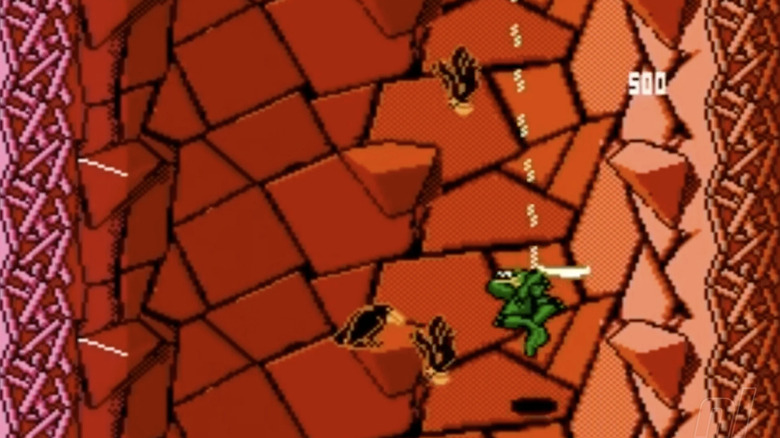
Even as home consoles began steadily transitioning to 16-bit platforms, the Nintendo Entertainment System still had some major hits up its sleeve. Among these was "Battletoads," which centered on a pair of anthropomorphic toads out to rescue their friend from an evil queen. The game is a side-scrolling beat'em-up, but also contains sequences when players fight while rappelling downward, and infamously precise vehicle-based levels. Like "Double Dragon" and "Teenage Mutant Ninja Turtles" before it, the game supports two-person cooperative multiplayer.
With its heightened difficulty, "Battletoads" is a '90s game that made us want to rage quit but the truth is, we kept coming back for more. The game pushes the technical capabilities of the NES, with a rich sound design and original soundtrack, including infectiously catchy pause screen music. The combat has a satisfying impact to it, while boss fights are creatively staged to keep players riveted. One last classic beat'em-up for the NES, "Battletoads" spawned a popular series that continued into the 16-bit era.
Streets of Rage
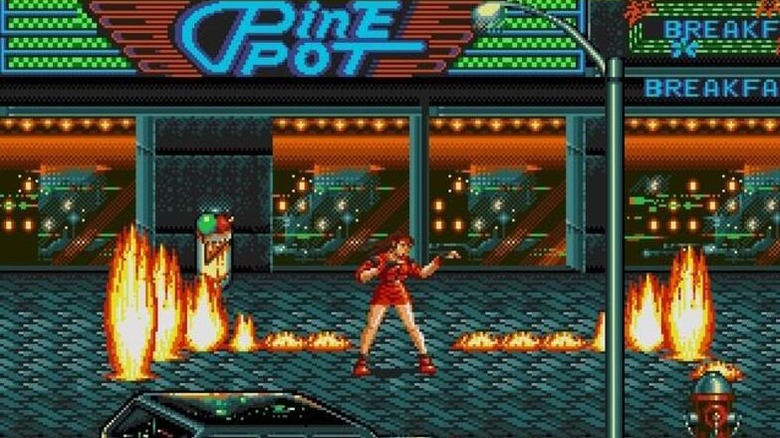
After Capcom released the "Final Fight" franchise for arcades and Nintendo consoles, Sega unveiled a beat'em-up series of its own with "Streets of Rage." Originally published for the Genesis, the game is set in the crime-ridden metropolis of Wood Oak City. Players are given a choice between three different characters as they brawl through waves of crooks. These protagonists use a variety of martial arts moves and weapons they can pick up from downed enemies as they overthrow the city's reigning crime lord.
"Streets of Rage" is one of the best games in the entire Sega Genesis library, regardless of genre, receiving two direct sequels on the console. The gameplay handles beautifully, with the action both varied and intuitive in its delivery. The presentation is on par with contemporary arcade titles, showcasing the console's blast processing and one of its best original soundtracks. Another phenomenal beat'em-up, the original "Streets of Rage" helped define the genre's potential in the 16-bit era, particularly on home consoles.
Sunset Riders
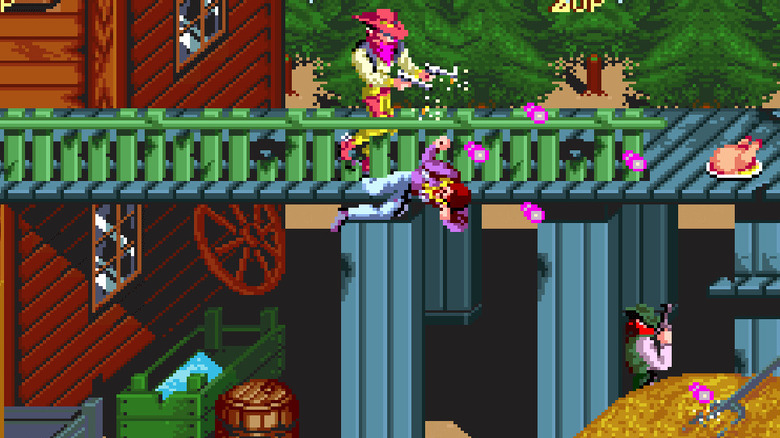
Konami had already popularized the console-based run-and-gun genre with its "Contra" series when it unveiled a Wild West variation on the theme with "Sunset Riders." Set in a stylized version of the 19th century American frontier, players can choose between four different gunslingers, each with their own weapons. Each level as the characters blast through a small army of outlaws to collect a bounty on a notorious crook, functioning as its boss. Played out largely from a side-scrolling perspective, set pieces unfold in frontier towns, avoiding stampeding cattle, and on rousing horseback chases.
Starting out in arcades before being ported to home platforms the following year, "Sunset Riders" is a colorful update of the run-and-gun genre. The game also was released before "Contra" or "Mega Man" made their own leap to the 16-bit generation, bringing their signature run-and-gun action with them. Beyond the advance in technology, the Konami title provided a welcome break from the contemporary and sci-fi takes on the gameplay genre, providing a vibrant period piece adventure. "Sunset Riders" is another arcade game from 1991 that still holds up today, mixing up genre tropes with a memorable setting.
Super Castlevania IV
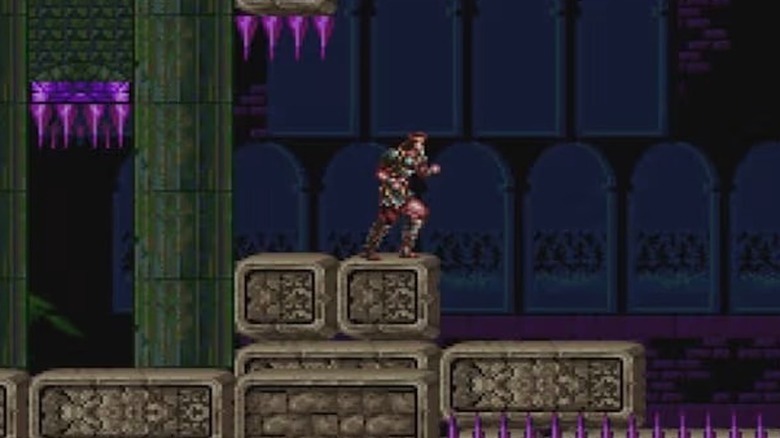
"Castlevania" had been a staple on the Nintendo Entertainment System, mixing supernatural horror aesthetics with platforming action. The series made the jump to the Super Nintendo and 16-bit gaming towards the end of 1991 with "Super Castlevania IV." The game is, more or less, a remake of the original title in the "Castlevania" timeline, with vampire hunter Simon Belmont out to slay Dracula. Venturing into Dracula's castle, Simon battles all manner of monsters as he ventures from the surrounding countryside to the castle's clock tower and dungeons.
"Super Castlevania IV" highlights how well established console franchises could thrive while being reworked for 16-bit platforms. The levels are more atmospherically rendered and intricately designed while the combat is much more intuitively programmed. That latter element cements the franchise into the action camp, while retaining and enhancing its platforming roots. A showcase for the increased processing power of the Super Nintendo, "Super Castlevania IV" not only revamped the franchise but still ranks among the best "Castlevania" games.