
5 Video Games From The '80s That Became Cult Classics
The '80s was the decade when the video game industry exploded, from the growing prominence of arcades to the proliferation of home gaming platforms. From the rise of home computers to Nintendo and Sega entering the home console market, the decade pushed the medium further into the mainstream. But while there is no shortage of iconic '80s games, there are also countless titles that went on to become cult classics. These games were often no less fun than their more prominent counterparts, but never quite got the commercial recognition that they deserved.
Taking this into account, we're looking at the retro games from the '80s that aren't as well-known today but each still have their vocal fans. Several of these titles have grown in stature over time, but remain not quite as iconic as their more popular contemporaries. We're also looking at a mix of early PC games, arcade cabinets, and home console titles that became sleeper hits. These are five video games from the '80s that became cult classics, all worth checking out today.
MIDI Maze
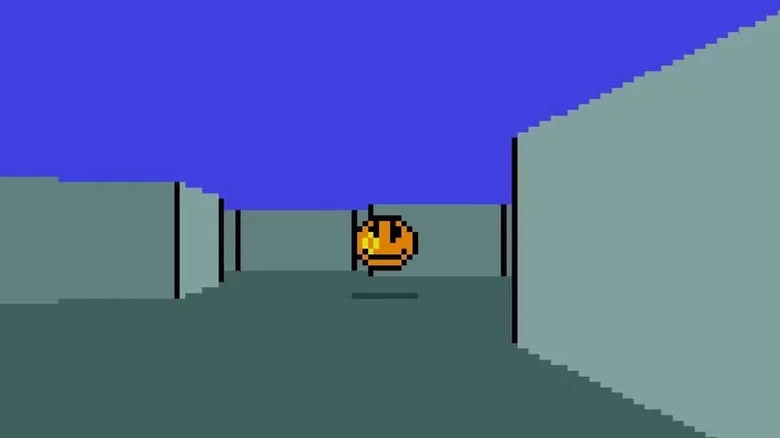
In 1987, home computers were still in their relative infancy, with the Macintosh II releasing that March and the original Windows debuting just two years prior. Atari also had its own personal computer system, the Atari ST, which boasted its own line of games. This included "MIDI Maze," developed by Xanth Software F/X in 1987 and an early first-person maze shooter. Players control colored smiley faces floating around nondescript mazes, blasting each other with smaller spherical projectiles.
Before "Wolfenstein 3D" and "Doom," there was "MIDI Maze," which was later retitled "Faceball 2000." The original version of the game allowed players to interlink up to 16 Atari ST platforms through their MIDI ports for early local area network mayhem. By the '90s, the game was ported to the Game Boy and Super Nintendo, albeit without the obvious LAN capabilities. A game from 1987 that seemed revolutionary, "MIDI Maze" was vital in refining first-person shooters and LAN gameplay.
Maniac Mansion
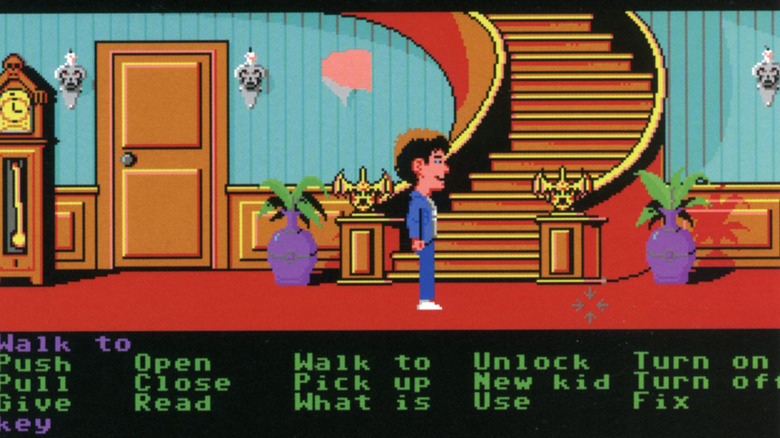
Prior to launching the interactive story-based game "The Secret of Monkey Island" three years later, Lucasfilm Games developed and published "Maniac Mansion." A horror-comedy sending up common tropes of the genre, the game follows high schooler Dave Miller as he tries to rescue his girlfriend Sandy. Dave and his friends delve into a deathtrap-filled mansion run by a mad scientist and his family, risking everything to rescue Sandy from its clutches. Players control Dave and his friends by choosing from a selection of text-based inputs at the bottom of the screen.
Another underrated video game from 1987, "Maniac Mansion" set the foundation for "Monkey Island" and the types of gameplay experiences Telltale Games would later popularize further. Even in this more rudimentary state, the appealing gameplay is still very much intact, including multiple endings and paths players can take. Much of this variety is informed by the fact that Dave is limited to recruiting two friends to help him from a pool of six, creating changes to the playthrough's story. Featuring much edgier content than Lucasfilm Games would be later known for, "Maniac Mansion" is best experienced in its PC version rather than its heavily censored NES port.
Wizards & Warriors
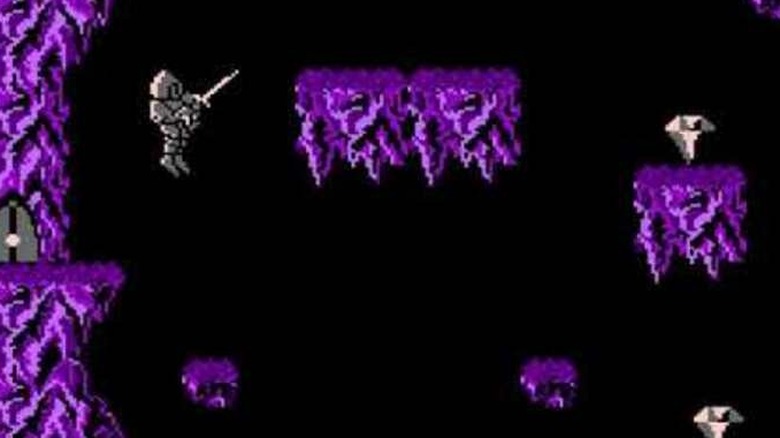
Among the earliest games developed by the prolific British studio Rare is 1987's "Wizards & Warriors." A side-scrolling hack-and-slash game, players control the medieval hero Kuros, who sets out to defeat the evil wizard Malkil. Exploring distinct realms, Kuros locates keys and defeats enemies to advance towards Malkil's headquarters in Castle IronSpire. In addition to his trusty sword, Kuros uses a variety of weapons and magical spells to defeat monsters empowered and unleashed by Malkil.
"Wizards & Warriors" featured an impressive technical presentation for an NES title of its time, with its varied environments and sound design. The game's difficulty was pronounced, though not as unforgiving as something like "Ninja Gaiden" or "Silver Surfer." The 1987 title launched a small series, with two sequels on the NES and a Game Boy spin-off, though it came to an end by 1992. Rare would continue its association with Nintendo consoles for years afterwards, but there remains something special (and overlooked) about "Wizards & Warriors."
Splatterhouse (1988)
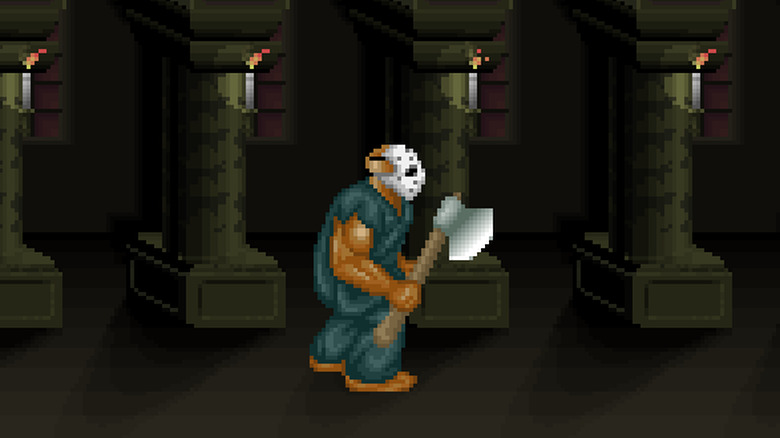
The original "Splatterhouse" is one of those '80s horror games that was too disturbing for kids, with its constant stream of gore and body horror. Originally released for arcades in 1988, the game has college students Rick and Jennifer trapped inside of a haunted house. Rick is empowered by the cursed Terror Mask, imbuing him with monstrous strength as he tears through enemies in side-scrolling gameplay. Rick explores the depths of the mansion while trying to rescue Jennifer, taking on a variety of monsters with his bare hands and a selection of weapons.
"Splatterhouse" leans into the popularity of '80s slasher movies, with the masked Rick more than slightly resembling Jason Voorhees. With its graphic violence, there wasn't anything else quite like the game at the time, though it was heavily censored for its 1990 home console versions. The game started its own small franchise, though, outside of an attempted 2010 revival, the main series would end by 1993. A scary take on the burgeoning beat'em-up genre, "Splatterhouse" is a niche favorite for horror fans.
River City Ransom
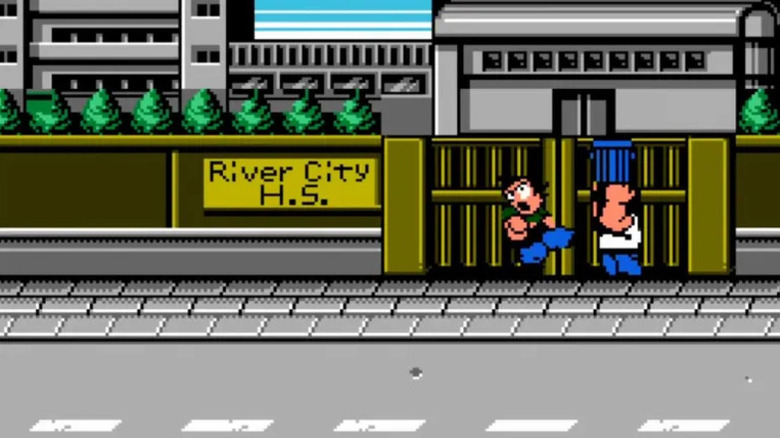
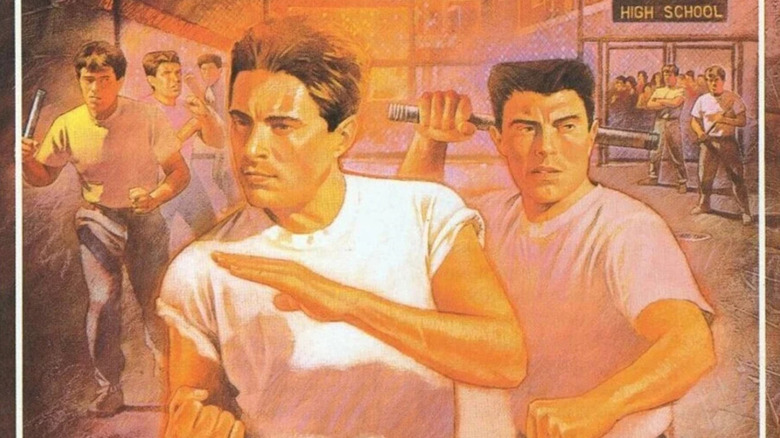
Speaking of beat'em-ups, Technōs Japan helped popularize the genre with its 1987 arcade title "Double Dragon." The studio followed this up in 1989 with "River City Ransom," which was made for the Nintendo Entertainment System rather than the arcade market. In a revolutionary move at the time, players explore an open-world environment as they control high school brawlers Ryan and Alex. Players take down nine street gangs in side-scrolling combat, using a password system to save their progress as they advance.
"River City Ransom" is one of the most overlooked games ever and certainly a cult classic in the NES library. Overshadowed by titles like "Battletoads" and "Teenage Mutant Ninja Turtles," Technōs Japan's underrated masterpiece rethought what was possible for a beat'em-up. The game has since received revivals and spiritual successors, including 2013's "River City: Tokyo Rumble" and 2019's "River City Girls." A must-have for any NES owner, "River City Ransom" provides plenty of hard-hitting thrills best enjoyed with a friend.