
The Legend Of Zelda: Ocarina Of Time Ending Explained
Contains spoilers for "The Legend of Zelda: Ocarina of Time"
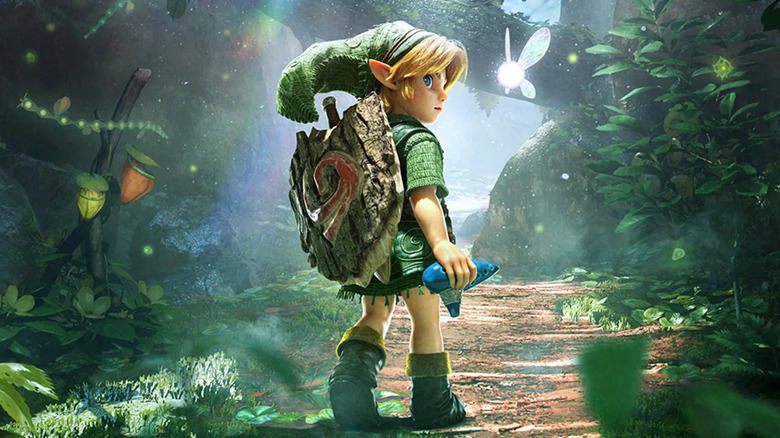
While "The Legend of Zelda: Ocarina of Time" is a classic Nintendo 64 game that holds up today, it has now received a breathtaking remake for the Nintendo Switch 2. While this new version is largely faithful to the 1998 original, it takes some creative liberties while upgrading the technical presentation. One thing that remains near-identical to both versions of the game, however, is its ending.
From the closing moments of the ending and its epilogue to its wider implications, there is a lot to unpack. The narrative continuation is made all the more complex by the fact that the ending produces three different timelines, setting the course for other games in the series.
Below, we're going through all of it, detailing what the ending means, and where the story goes from there in its divergent paths. So, if you've not completed the game yet, this is your final warning that it's going to be full of spoilers from this point on.
Now, without further ado, here is "The Legend of Zelda: Ocarina of Time" ending explained, from what occurs on-screen, its impact on the franchise's wider narrative, and the game's overarching themes.
The fate of Hyrule
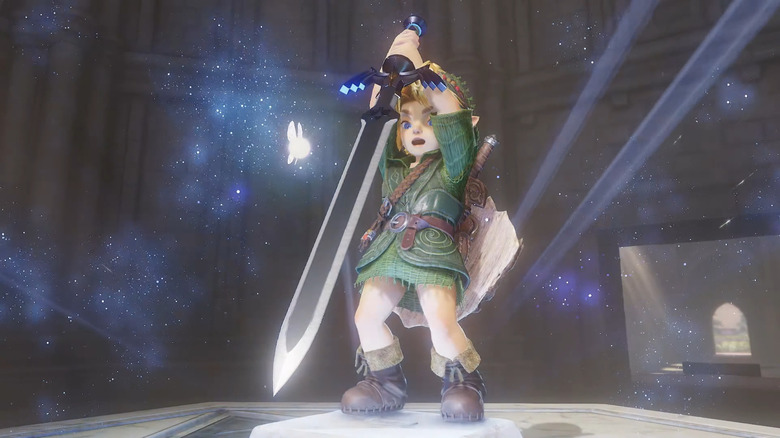
Both versions of "Ocarina of Time" end with Link rescuing Princess Zelda from the Nintendo franchise's overarching villain, Ganondorf, seven years into Link's relative future. Ganondorf manipulated Link and Zelda into opening the Sacred Realm so he could seize the Triforce of Power and conquer Hyrule. Revived seven years after this, Link steadily liberates Hyrule's various regions and is empowered by the sages, elemental figures connected to Link's quest. With Link possessing the Triforce of Courage, aided by Zelda possessing the Triforce of Wisdom, Ganon is vanquished in his monstrous form and banished to the Evil Realm.
Before he is sealed away by Zelda and the sages, who maintain vigil over his imprisonment, Ganondorf vows to take revenge on Link and Zelda's descendants. Link, whose childhood was taken from him by being in stasis for seven years, is returned to the moment before he opened the Sacred Realm to regain his lost time. Back in the timeline that Link saved, the citizens of Hyrule celebrate their liberation together, overseen by sages, united by their victory. Returned to his childhood, Link parts ways with Navi now that their job is done, and Link decides to meet Zelda as kids once again.
The Hero Timeline
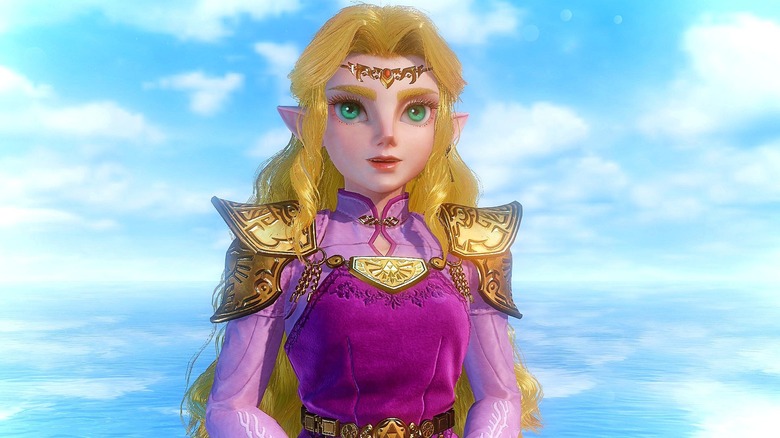
The timeline where Link defeated Ganon as an adult remains intact, even after Zelda sends Link seven years back to the past. After several generations of peace in Hyrule, the seal to the Evil Realm weakens, and Ganondorf makes his escape, as he still has the Triforce of Power in his possession. With the Hero of Time no longer existing in this timeline, the inhabitants of the kingdom find themselves at Ganon's mercy. Praying to the goddesses that created Hyrule for divine intervention, the survivors take cover in the kingdom's tallest mountains before the deities flood the realm, sealing Ganondorf under the water.
Centuries after this, Ganondorf escapes from his watery prison and schemes to gain the two other Triforce pieces from Zelda and Link's descendants as promised. This sets in motion the events of the controversial "The Legend of Zelda: The Wind Waker," as a distant descendant of Zelda, Tetra, and another boy named Link defeat Ganondorf for good in this timeline.
This timeline continues with the sequels "Phantom Hourglass" and "Spirit Tracks," with new enemies threatening New Hyrule, a kingdom founded by the aforementioned Zelda descendant. However, Ganondorf continues to exist in different menacing capacities in separate timelines, ready to carry out his revenge.
The Child Timeline
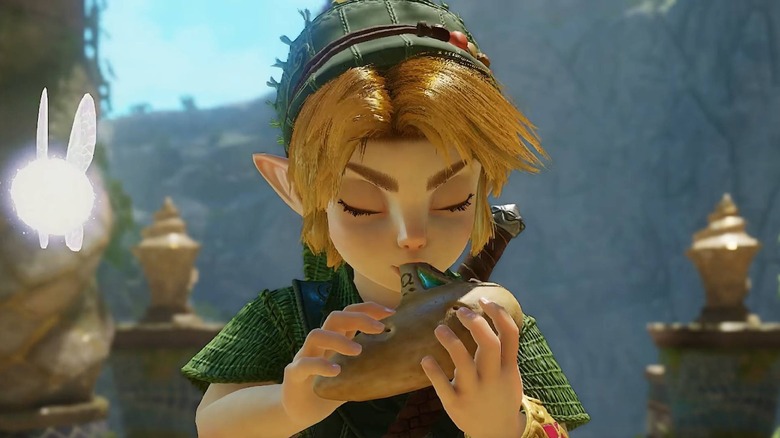
In the divergent timeline that proceeds from Link returning to his youth, Link warns Zelda and the royal family of Ganondorf's plans based on what he witnessed in the alternate future. Even with the Zelda of the future trying to reset history to avert Ganondorf's conquest, he still retains the Triforce of Power due to its potent nature.
Ganondorf's possession of this powerful relic allows him to survive an attempted execution, with the sages banishing him to the Twilight Realm instead. Reemerging in Hyrule in "The Legend of Zelda: Twilight Princess," Ganondorf is eventually defeated by Link and Zelda's descendants in this timeline.
But before that, the scene at the end of "Ocarina of Time" showing Navi leaving Link would be followed up on in "The Legend of Zelda: Majora's Mask." After warning Zelda about Ganondorf, Link leaves Hyrule in pursuit of his fairy friend, only to stumble into the strange world of Termina. This Link would have a more tragic fate, feeling frustrated and unfulfilled by not being recognized for saving Hyrule as he had in the Hero Timeline. In "Twilight Princess," this Link resurfaces as a skeletal echo, helping mentor this generation's Link in swordplay before his soul finally rests.
The Fallen Hero Timeline
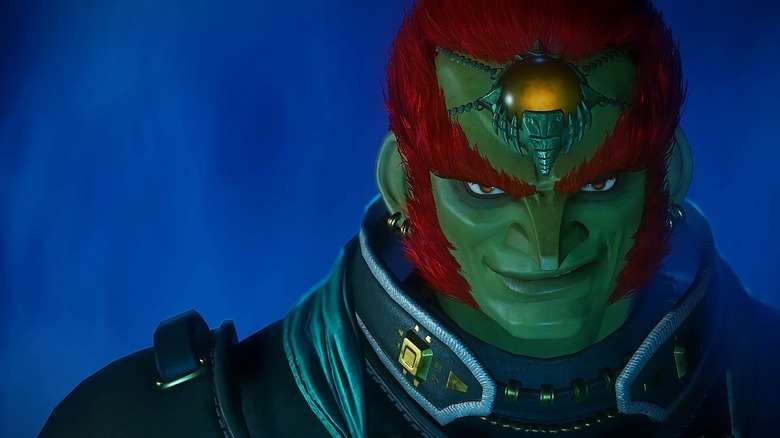
While we always assume some form of a happy ending exists, "Ocarina of Time" actually features a third unseen timeline where Ganondorf defeats Link. Without the Hero of Time to stop him, Ganondorf succeeds in obtaining the other two pieces of the Triforce and plunges Hyrule into ruin. This also allows Ganondorf to transform and maintain his form as the Demon King Ganon, something hinted at by his temporary transformation during the final battle in "Ocarina of Time." After a devastating but also unseen conflict known as the Imprisoning War, Ganon is defeated and banished, but Hyrule remains fractured.
It is in this timeline that the classic "Legend of Zelda" games for the NES, SNES, and Game Boy take place. Starting with 1991's "A Link to the Past," a new hero named Link teams up with a descendant of Zelda to defend Hyrule from a resurgent Ganon. This version of Link is actually the same character in both Oracle titles, as well as in "Link's Awakening." Again, this path isn't seen in "Ocarina of Time" itself, but its timeline is set up by its events.
The themes in Ocarina of Time
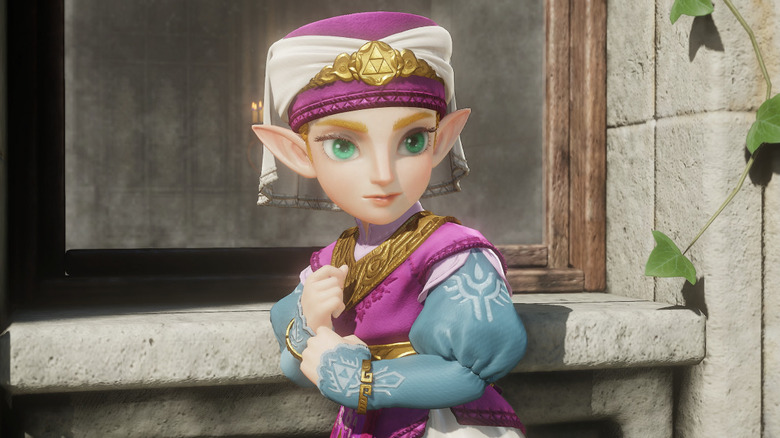
The ending of "Ocarina of Time" highlights its bittersweet themes, with its well-intentioned young characters trying to save the world only to be tricked by evil incarnate into breaking it. In that sense, "Ocarina of Time" is about an end of childhood innocence as the true nature of the world and the consequences within it become apparent to Link. Even though the world is ultimately saved and evil is defeated, Link doesn't get to enjoy the hard-fought victory that he won. That means that big grand celebration that takes place in the Hero Timeline doesn't actually include the Hero of Time as a guest.
Even sent back to his own time with the intention to live out his childhood, Link just had this epic adventure that only he and Navi know about. This is Link's ultimate atonement, but by continuing to meet Zelda in this timeline anyway, it means his efforts weren't entirely for nothing. This scene is the closest that the game gets to a happy ending for Link, losing Navi but gaining Zelda as a friend in the process. The "Ocarina of Time" remake retains those major story beats in its own ending, faithfully retaining the themes that the original introduced.