
5 Classic Video Games That Were Ruined By Their Final Level

Like most stories, video games can be more about the journey than the destination, but that doesn't excuse a poor conclusion. Even some of the most emotionally affecting video game experiences can be completely undercut if an ending is disastrously botched. Whether it's a final level failing to live up to the expectations set by everything that had come before or an unrewarding payoff, games need to properly stick the landing. Even the most beloved gaming properties around can have their reputations tarnished by whiffing on those last crucial moments to a given entry.
We're not necessarily saying the games listed here are bad games overall, but their respective endings hold them back from being virtually flawless. In some cases, the poorly designed finale is the first thing that comes to mind when we think back on these games. A mediocre climax can cast a shadow of notoriety that lasts longer than the more positive memories associated with a title. With that in mind, here are five classic video games that were ruined by their final level, putting a damper on the whole experience.
Ghosts 'n Goblins
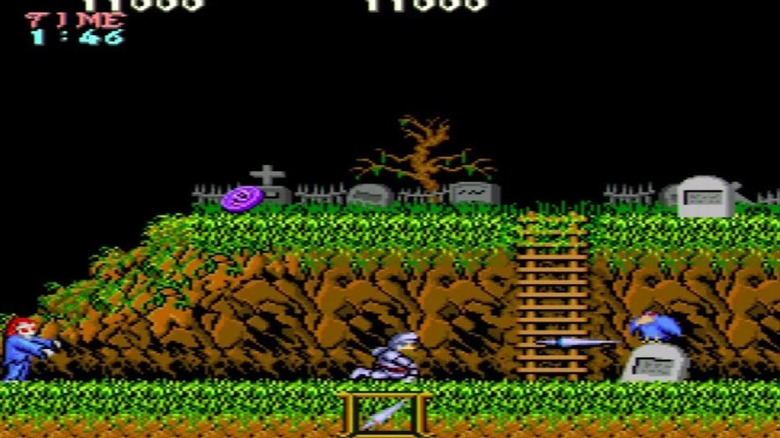
Capcom's "Ghosts 'n Goblins" series has always produced games that make players want to rage quit from the sheer difficulty involved. This has been a hallmark of the franchise ever since its inaugural 1985 arcade game and subsequent home console titles. A horror-themed platformer, the game series has a medieval knight named Arthur battle monsters and demons to recover his beloved from the Demon King. Upon completing the game the first time, players must replay it in its entirety to experience the actual ending of Arthur rescuing the kidnapped damsel.
The ending of "Ghosts 'n Goblins" was surprising to players, since they needed to beat the game twice to see the true ending. That meant they had to endure the grueling endurance test in full again, including the unforgivably difficult final level. For players sinking countless hours in trying to get through the last level once, this can prove to be the last straw. "Ghosts 'n Goblins" is a classic, even with its notorious difficulty, but that last level and needing to restart the game can be a dealbreaker.
Monkey Island 2: LeChuck's Revenge

1990's "The Secret of Monkey Island" is a landmark title as far as narrative-driven point-and-click games on the PC are concerned. LucasArts developed an immersive swashbuckling tale starring aspiring pirate Guybrush Threepwood as he sailed the Caribbean in search of treasure and adventure. 1991's "Monkey Island 2: LeChuck's Revenge" has the titular villain return as an undead revenant out for vengeance against Guybrush. This culminates with the two learning that they're brothers and ends with a sequence with the two of them as children at a modern amusement park.
Up until its ending, "Monkey Island 2" really ups the ante from the first game, expanding the scope and puzzle-solving elements. The game's conclusion, with an abrupt cliffhanger suggesting the whole experience was little more than a child's elaborate fantasy, proved divisive among gamers. While 2022's "Return to Monkey Island" cleared up the controversy after 30 years by serving as the direct sequel to "Monkey Island 2," that's a long time to wait for a clumsy cliffhanger to finally be resolved.
Fable II
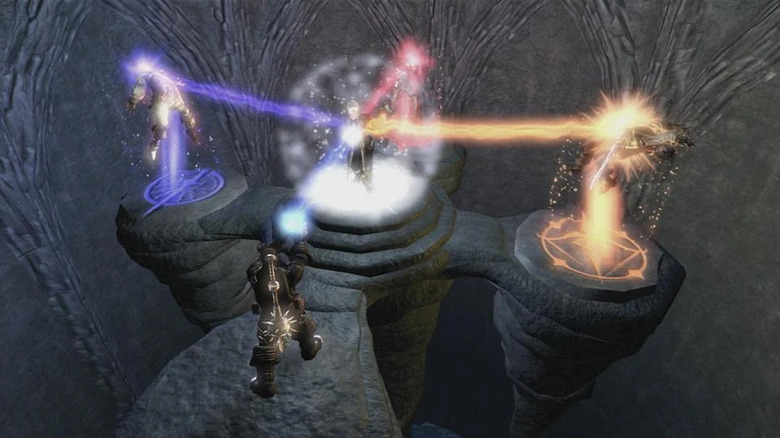
2008's "Fable II" revolves around a tale of fantasy revenge as the player character, named Sparrow, swears vengeance on Lord Lucien, the nobleman who murdered their sister. This vendetta can grow over the course of the game as, if the player has a family before confronting Lucien, the villain will kill them too. The feud culminates in a final confrontation, with Lucien launching into a lengthy monologue about his intentions. Players can either kill him with a simple button press, interrupting his rantings for good or — if they wait too long — a pirate ally known as the Reaver will kill Lucien instead.
"Fable II" is a great game and arguably the best in the action RPG franchise, but its ending is the definition of an anticlimax. There is no grand duel against Lucien or real satisfaction in finally killing him, just an abrupt execution followed by the player choosing between three outcomes. As far as the main questline goes, this leaves players feeling wholly unfulfilled in the epic adventure they just completed. While the subsequent "Fable III" has been called a train wreck, at least it provides a much more satisfying ending.
Mass Effect 3
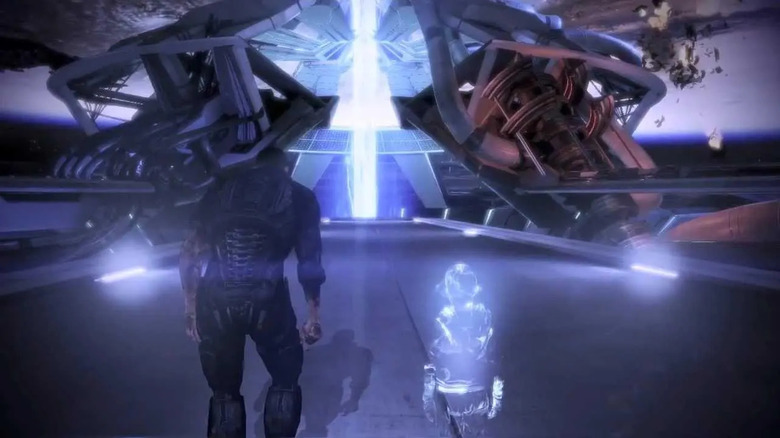
Bioware's "Mass Effect" series revolved heavily around individual choices made by the player characters as they defended the galaxy. These decisions are reflected in the larger story as it unfolds, particularly across the franchise's original trilogy, which concluded with 2012's "Mass Effect 3." This finale has Commander Shepard and his allies return to Earth to drive back sentient machines known as the Reapers looking to eradicate all organic life in the galaxy. Launching a final desperate attack on the Reapers, Shepard is transported to the Citadel, where he makes a decision that determines how existence in the galaxy is preserved.
The finale to "Mass Effect 3" was one of the most controversial game endings of all time, with no big boss fight to wrap up the sci-fi story. Instead, the game wraps with a glorified cutscene, as all those choices players made across the trilogy boil down to three dialogue options. Bioware offered a free downloadable epilogue to the title several months after fan outcry, but the damage was done, at least in terms of perception. Any plans for a new "Mass Effect" seem further away each year as Bioware tries to avoid repeating past mistakes with the franchise.
Assassin's Creed III
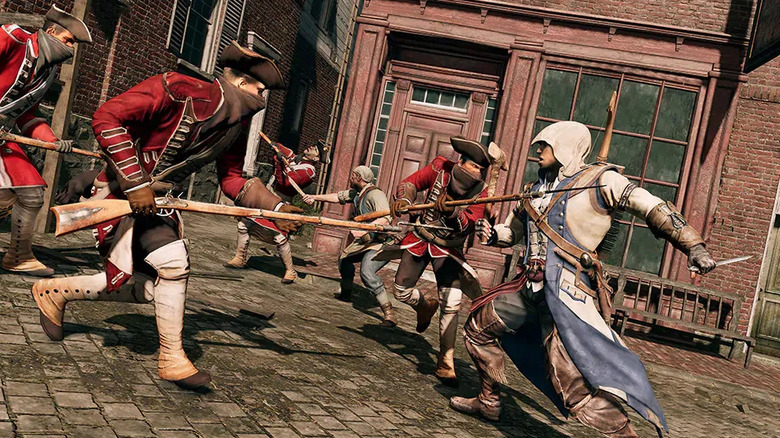
The story of Desmond Miles, one of the original main characters of the "Assassin's Creed" series, came to an end with 2012's "Assassin's Creed III." Desmond relives the memories of his ancestor Connor Kenway, a member of the Assassin Order in 18th century North America during the American Revolution. Connor works with the Founding Fathers during the revolution, while trying to prevent the Templars from establishing a strong foothold on the new continent. In the present, Desmond uncovers the truth about the longstanding war between Assassins and Templars, and the mysterious entities orchestrating the course of human history.
"Assassin's Creed III" delivers all the thrills that fans of the series are accustomed to, with an immersive and evocative period piece setting. The game also introduces the naval combat mechanics that were refined and elevated in "Assassin's Creed IV: Black Flag." Where the game stumbles is the climax, as Desmond confronts Juno in the 21st century as she plans to devastate humanity. What unfolds is a series of quick-time events and an awkward argument that brings Desmond's story to an embarrassing close.