
5 Video Games That Fans Hated At Launch But Love Now
Sometimes first impressions aren't everything, and that's especially true of video games that start things off on a disappointing note. Whether it's a matter of not living up to fan expectations or glaring technical flaws at launch, games can easily be the subject of intense consternation coming out of the gate. However, fan opinion can change and evolve over time, and games with technical issues can be patched post-launch in today's industry. What debuts as a divisive or even widely reviled title can see its reputation improve drastically over time.
There are plenty of titles that saw a lackluster reception upon their launch only to become warmly regarded by gamers with the benefit of hindsight. In some cases this can be because of post-release support or, in other cases, just a matter of reevaluation after expectations have been tempered. Even the biggest, most celebrated video game publishers around have seen iconic franchises stumble during their arrival, only to retrospectively earn accolades. Here are five video games that fans hated at launch but love now — after an eventual reappraisal.
The Legend of Zelda: The Wind Waker
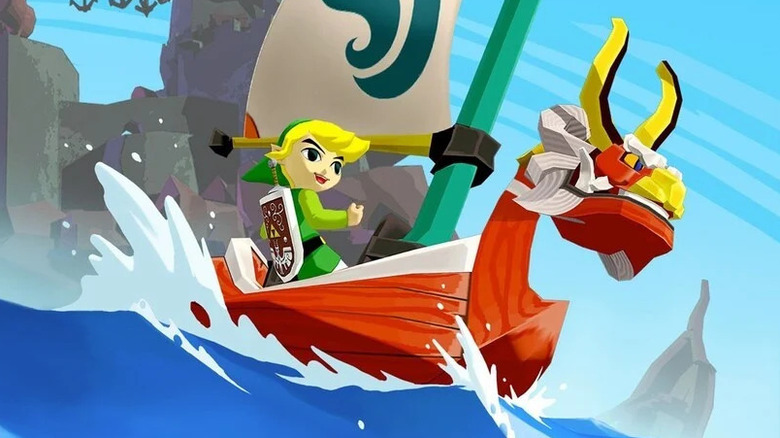
Yes, even Nintendo's venerable "Legend of Zelda" franchise can suffer from a divisive fan reception on rare occasions. The most notable instance of this is 2002's "The Legend of Zelda: The Wind Waker" on the GameCube, featuring a nautical twist to the series. In this reimagining, the Kingdom of Hyrule has been flooded and is now just a set of islands within the Great Sea. A young boy named Link takes up his sword to rescue his younger sister from the evil Ganondorf, encountering everything from pirates to monsters as he sails the sea.
Franchise co-creator Shigeru Miyamoto literally cringed when he saw the art style of "The Wind Waker," but grew to appreciate it in his role as co-producer on the project. North American fans were more divided on the game's anime-inspired character designs, including a more cartoonish Link, with the game selling below Nintendo's expectations.
The publisher shifted to a more conventional art design for its follow-up, "The Legend of Zelda: Twilight Princess," while retaining the cel-shaded animation style for handheld games in the franchise. Fan response to the art style has since improved significantly, and "The Wind Waker" is still worth playing, either in its original iteration or Nintendo's HD remaster for the Wii U.
Final Fantasy XIV
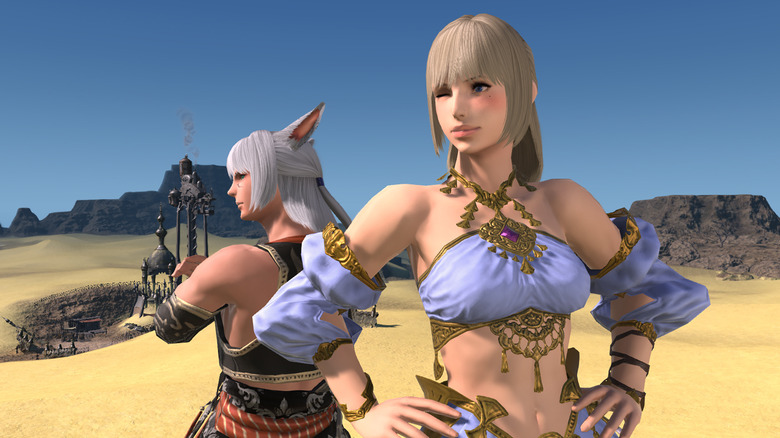
The original version of "Final Fantasy XIV" was released to widespread derision, in a major stumble for the franchise as it launched its latest MMO title in 2010. Fans complained about an unintuitive user interface, a subpar graphical presentation, and a bug-heavy gameplay experience that derailed any enjoyment from the game. The backlash got so bad that the game was pulled from shelves in November 2012 while Square Enix completely reworked it. The relaunched game, rebranded as "Final Fantasy XIV: A Realm Reborn," was released in 2014, with reviewers and fans impressed by how thoroughly the title had been overhauled.
"A Realm Reborn" marked a complete reversal in fortunes for "Final Fantasy XIV" and proof that a game shouldn't be abandoned outright. The game has since continued to release post-launch DLC to keep players invested and, by the time of its fifth DLC expansion in 2024, had 30 million registered players. By 2021, the game had become the most profitable "Final Fantasy" title for Square Enix to date and has only grown since then. Over a decade since its relaunch, "Final Fantasy XIV" is still worth playing today as Square Enix continues to support and expand the title.
Street Fighter V
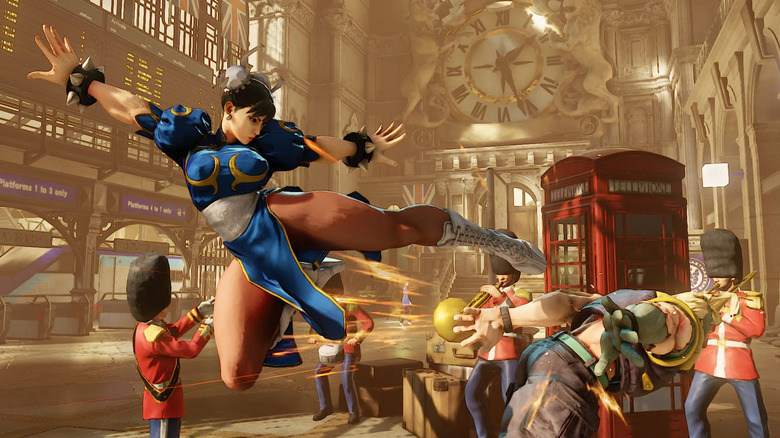
After "Street Fighter IV" revived Capcom's iconic fighting game franchise from a period of prolonged dormancy, expectations were high for its follow-up. Unfortunately, "Street Fighter V" felt like a rushed release when it launched in early 2016, with users criticizing a lack of content and unstable online functionality. Executive producer Yoshinori Ono issued an apology for the game's online performance and later admitted the title wasn't complete at launch. Both of these issues were eventually remedied through extensive patches, improved servers, and five seasons of post-launch DLC, adding new modes and playable fighters to the roster.
The stunning transformation of "Street Fighter V" became another Capcom success story after the game progressed beyond its growing pains. The title proved to be an evolving work-in-progress, with every patch improving the experience while adding more content to the proceedings. The game's reputation similarly improved during its post-launch progression, becoming the game fans expected all along and then some. As it stands, "Street Fighter V" is currently the best-selling title in the franchise, helping to pivot the series toward the growing online competitive scene.
No Man's Sky
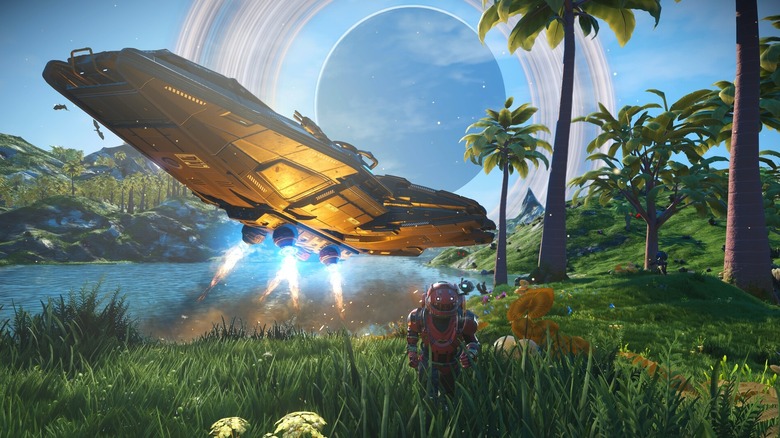
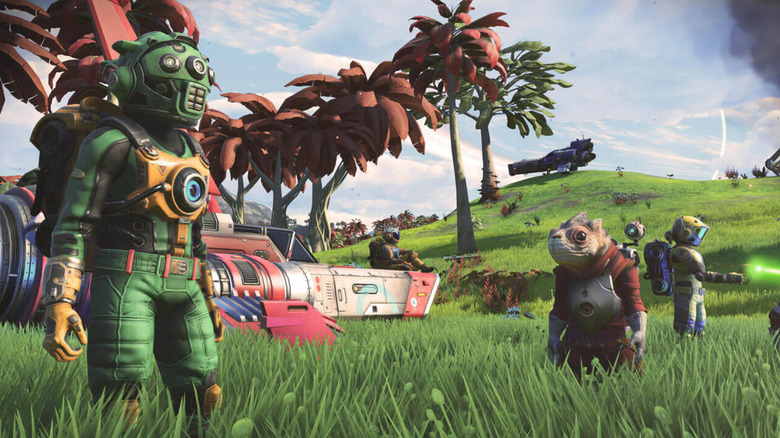
The 2016 sci-fi title "No Man's Sky" promised players it would change the way they gamed forever. Gamers proceed through a cosmos of procedurally generated planets in an open world progression as they explore the wider galaxy. The player character, known as the Traveller, discovers the world around them is an elaborate simulation by a mysterious entity named Atlas. While visiting other planets, the Traveller builds bases, expands their interplanetary fleet, and improves their equipment as they seek to learn more about Atlas.
The hype surrounding "No Man's Sky" ahead of its launch was astronomical, in no small part fueled by the game's marketing campaign. Promises of quintillions of planetary variations to visit fueled expectations that the game could become the most significant space exploration game ever. When the title did arrive, fans felt that it pulled a bait-and-switch on them, not living up to the pre-release imagery teased for the game. The developers quickly went to work on post-launch patches for "No Man's Sky," with the game's reputation improving significantly for delivering on its promises.
Cyberpunk 2077
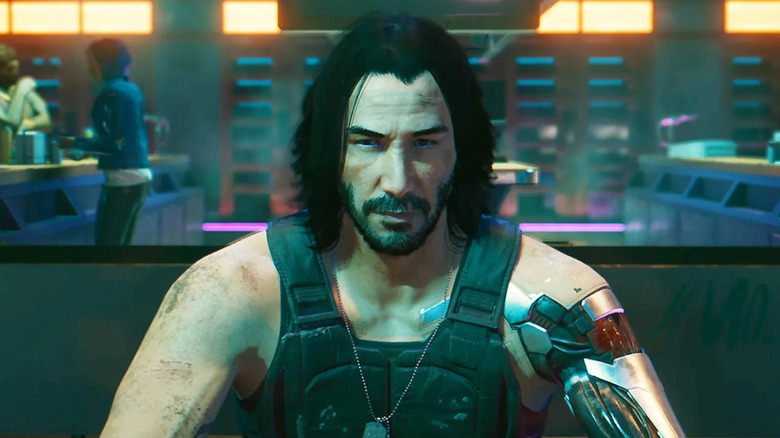
One of the most ambitious games by CD Projekt was its sprawling first-person science fiction title "Cyberpunk 2077." Debuting in 2020, the game plunged players into the dystopian metropolis of Night City, where they carry out a botched heist on the powerful Arasaka Corporation. This results in the player character, known simply as V, being implanted with the digital memories and personality of deceased freedom fighter Johnny Silverhand. Players can roam through Night City and complete numerous quests as they decide whether they should work for or against Arasaka's sinister interests.
Given the sheer scope and attention to detail throughout "Cyberpunk 2077," the game was very system-intensive, particularly on older platforms. Things got worse for the PlayStation 4 and Xbox One versions of the game, which were notoriously full of glitches and unstable performance at launch. By March 2021, CD Projekt released a huge patch that made "Cyberpunk" feel like a brand new game, and a much more technically stable one at that. Over four years after its disastrous launch, user reactions for "Cyberpunk 2077" have improved significantly, while the game has sold over 35 million copies worldwide.