
5 Best Arcade Fighting Games Of All Time, Ranked
Fighting games have been a staple in the video game industry dating at least as far back as "Karate Champ." Since then, the genre has exploded into a number of fan-favorite franchises, many of which got their own start in the arcade market. Many of the properties introduced in the arcade scene survived its decline and still thrive today, periodically releasing new installments on home platforms. This ranges from '90s arcade games that still hold up today to boundary-pushing titles that put their own distinct spin on the fighting game genre.
Whether you're an expert with your own arcade sticks or a beginner to fighting games, there are some arcade titles that rise above the rest. Those are the games that we're highlighting here, as the pinnacle of their respective franchises' offerings within the arcade scene. It was games like these that had fans crowding around arcade cabinets, each waiting for their turn to take on a reigning champion.
Each providing their own distinctly entertaining beatdowns, these are the five best arcade fighting games of all time, ranked.
5. Ultimate Mortal Kombat 3
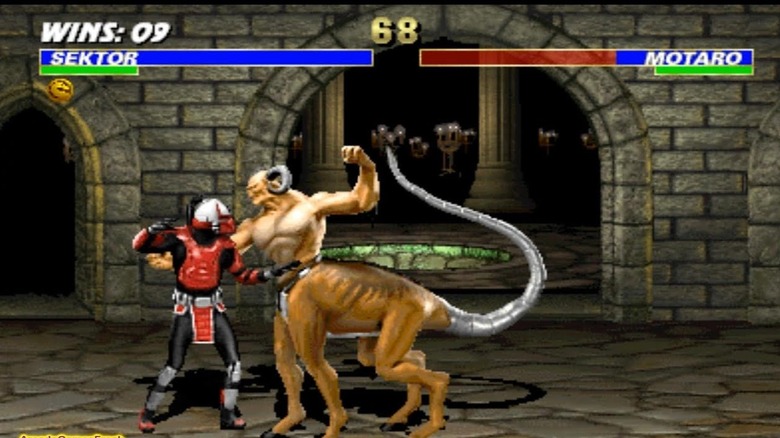
Blending hard-hitting gameplay with gruesome violence, the "Mortal Kombat" franchise made waves when it debuted in 1992. But despite becoming one of the most controversial retro games of all time, "Mortal Kombat" endured and refined its gameplay as it progressed. This culminated in 1995's "Ultimate Mortal Kombat 3," the last arcade title in the series to use digitized sprites of actors filmed in live-action. The game was released seven months after "Mortal Kombat 3," rebalancing the gameplay while adding four additional fighters and new modes to the overall experience.
One of the best "Mortal Kombat" games, "Ultimate Mortal Kombat 3" is the full culmination of the classic series and its then-groundbreaking presentation. The combat is as fast-paced as the franchise's arcade titles get, leaning more into punishing combos than past entries. The game also features the most robust roster and wealth of features that series ever got on arcade platforms, elevating it considerably. "Ultimate Mortal Kombat 3" isn't just an improvement over its immediate predecessor but most saliently captures the appeal of the series in its classic form.
4. Garou: Mark of the Wolves
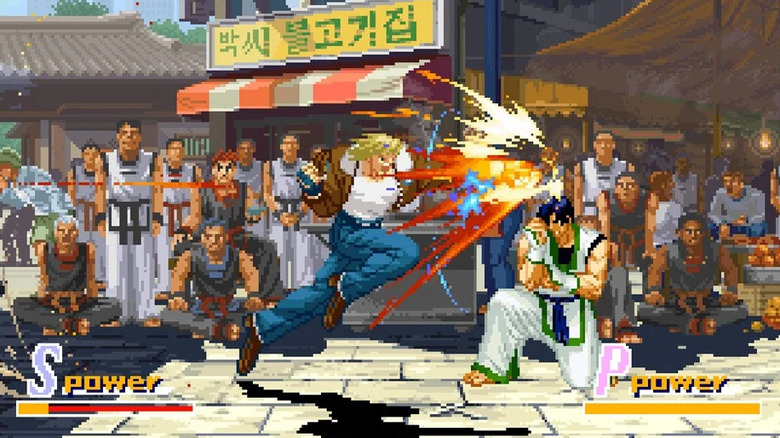
SNK has historically made arcade games that were way more popular outside the U.S., including its "Fatal Fury" series. The franchise's last game to receive an arcade release was "Garou: Mark of the Wolves" in 1999, retitled "Fatal Fury: Mark of the Wolves" for its North American Dreamcast port. Set approximately a decade after the events of 1995's "Real Bout Fatal Fury," the game follows a new generation of fighters around the series' usual setting of South Town. This includes new protagonist Rock Howard, son of the villainous Geese Howard and protege of franchise mainstay and returning fighter Terry Bogard.
Revamping the combat mechanics to make the game more accessible to newcomers, "Garou: Mark of the Wolves" is "Fatal Fury" at its best. There is a greater emphasis on timing and defense in the gameplay while discarding some of the more technical elements. The game is also just incredibly beautiful to look at, featuring some of the most vibrant and detailed sprites that SNK ever animated. The last "Fatal Fury" game for 26 years, "Mark of the Wolves" was a good note for the series to go out on for decades.
3. Marvel vs. Capcom 2: New Age of Heroes
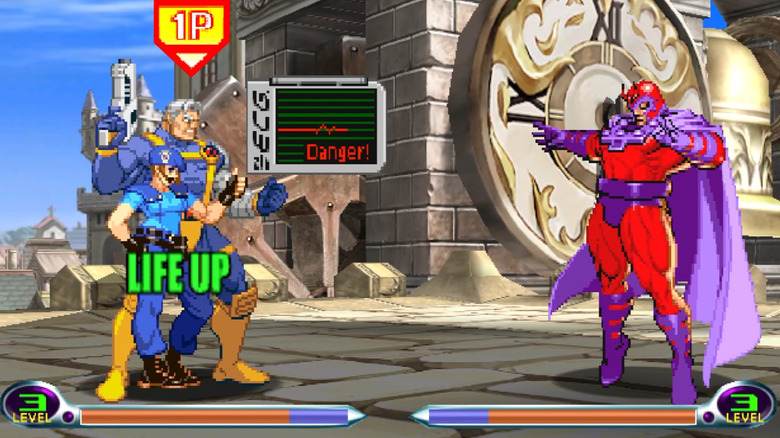
Capcom had been developing fighting games based on Marvel Comics properties since 1994's "X-Men: Children of the Atom." This initial partnership reached its apex with "Marvel vs. Capcom 2: New Age of Heroes," which was released for arcades in 2000. The game expands the 2v2 gameplay in the preceding title to a 3v3 fighting game experience while making the mechanics more intuitive. Additionally, the roster consists of 56 playable characters across Marvel and Capcom properties, including the X-Men, Avengers, "Street Fighter," and "Resident Evil."
"Marvel vs. Capcom 2" is as frenetically fun as Capcom's set of Marvel-themed fighting games gets and features one of the most extensive rosters in the genre. The presentation features a mix of sprites and 3D animated backgrounds while the soundtrack is immediately recognizable with its jazzy melodies. Though the series returned with 2011's "Marvel vs. Capcom 3: Fate of Two Worlds," its latter entries were not released for arcade platforms. The series' best arcade title by a significant margin, "Marvel vs. Capcom 2: New Age of Heroes" represents Capcom at the height of its crossover powers.
2. Tekken 3
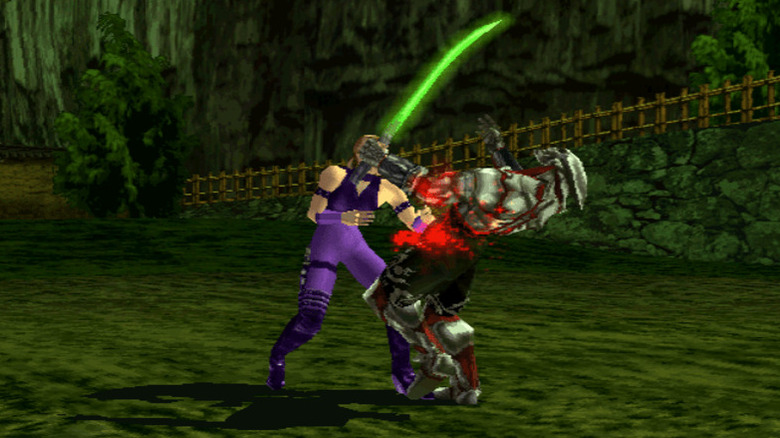
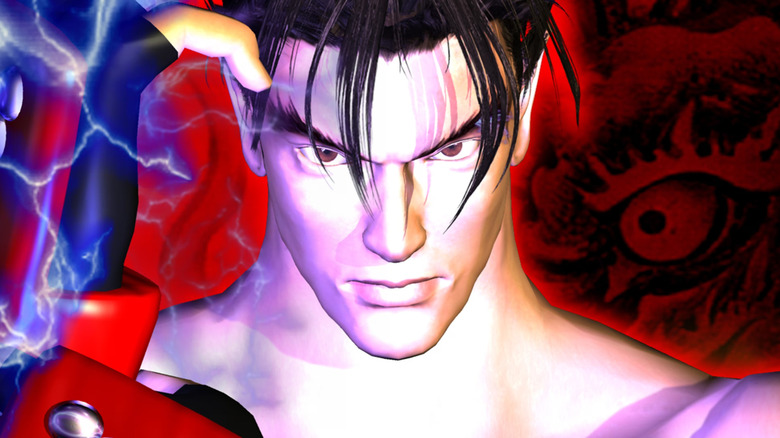
As with "Mark of the Wolves," whenever a game franchise takes an in-universe time jump, it brings a fresh energy to the series. This is certainly true of "Tekken 3," which was released in 1997 as the last mainline entry in the series ported to the original PlayStation. Set 19 years after the events of 1995's "Tekken 2," the game follows Jin Kazama, the son of prior game characters Kazuya Mishima and Jun Kazama. The game's story revolves around a new global martial arts tournament organized by Heihachi Mishima to secretly lure a mysterious figure hunting fighter around the world.
"Tekken 3" is one of the best PS1 games of all time, and that superior quality carries over to its arcade version as well. The big innovation here, compared to past "Tekken" titles, is an emphasis on 3D movement, particularly in regard to sidestepping during combat. A step above other 3D fighters of its time, the mechanics in "Tekken 3" feel more intuitive and responsive, rather than stilted and frustrating. Setting the foundation for the series moving forward, "Tekken 3" took the franchise to new heights.
1. Street Fighter III: Third Strike
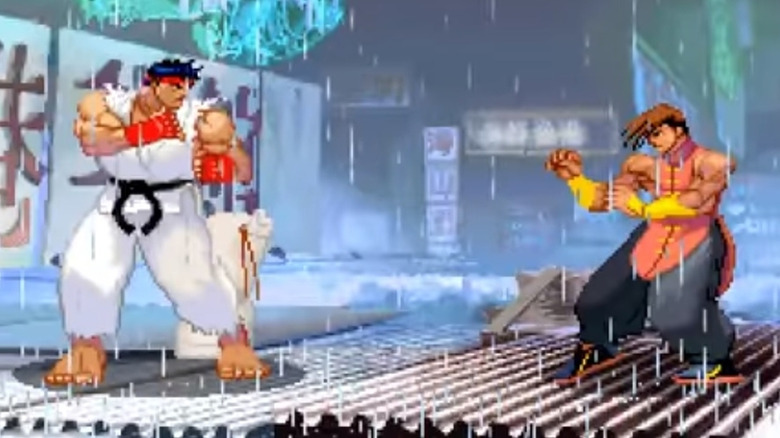
After the runaway success of "Street Fighter II," expectations were high for an inevitable follow-up, updates to the 1991 Capcom game notwithstanding. While the initial sequel, 1997's "Street Fighter III: New Generation," didn't live up to the hype, Capcom continued to support it through standalone updates. The third and final of these updates was "Street Fighter III: Third Strike," released in arcades in 1999. Set a year after the events of "New Generation" and its first update, "Second Impact," "Third Strike" has its combatants take on the villainous demigod Gill once again.
With its rebalanced gameplay and tightened mechanics, "Third Strike" is far and away the pinnacle of the "Street Fighter III" trilogy. In addition to refining the gameplay, the game adds five additional fighters to the roster not present in "Second Impact," including Chun-Li. The game also places a stronger emphasis on the parry mechanic, making it a tide-turning move for players who can get the timing down. While "Street Fighter II" catapulted the franchise to the mainstream, "Street Fighter III: Third Strike" perfected upon its foundation.