
5 Video Games From 2004 That Changed Gaming Forever
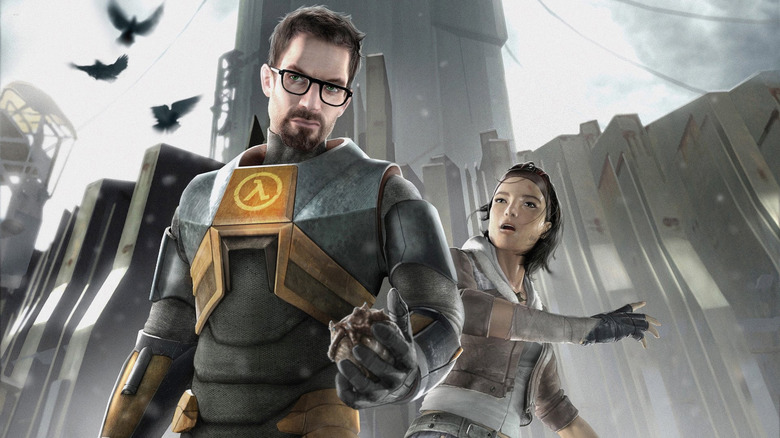
While it may not seem like it at first glance, 2004 was a deceptively pivotal year for gaming, with the release of plenty of enduring titles across multiple platforms. The year marked the tail end of the PlayStation 2, Xbox, and GameCube eras, and the launch of the Nintendo DS and PlayStation Portable. PC gaming remained a strong fixture in the industry, providing players with experiences that they just couldn't get on home or handheld consoles. Online gaming expanded significantly throughout the year, both for PC and consoles as the industry's new frontier.
Simply put, many of the gaming trends and experiences that we enjoy over 20 years later can be traced back to 2004. Many of the innovations to spring from the year were tied to major established franchises, revamping the properties considerably. But beyond the gameplay itself, these games introduced features that have come to refine and define gaming as we know it. These are five video games from 2004 that changed gaming forever, with their impact still felt today.
Grand Theft Auto: San Andreas
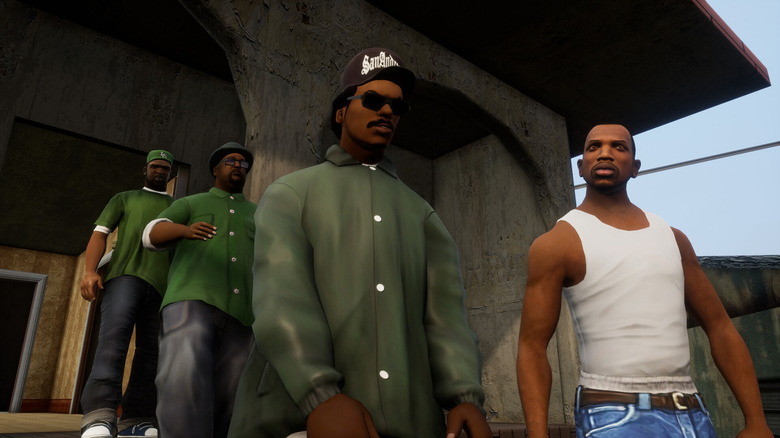
"Grand Theft Auto III" and its 2002 sequel "Vice City" completely revamped Rockstar Games' franchise into a third-person open-world experience. "Grand Theft Auto: San Andreas" took this scope to the next level, no longer confining its setting to a single city but opening up the greater part of an entire state. The game follows fan-favorite "GTA" main character CJ Johnson as he sets out to rebuild his old street gang after returning home in 1992. This places CJ on a collision course with rival crime organizations and the authorities as he investigates who murdered his mother.
The significant expansion in scope between "San Andreas" and previous "Grand Theft Auto" games is truly staggering. Not only is the game's explorable environment the biggest the franchise had at that time, but the amount of vehicles, customizations, and other features add to the immersion. The game is also the first third-person entry in the series to feature a local multiplayer mode, setting the groundwork for "Grand Theft Auto Online" years later. "San Andreas" not only set the blueprint for what "GTA" would grow into, but for countless open-world games moving forward.
Halo 2
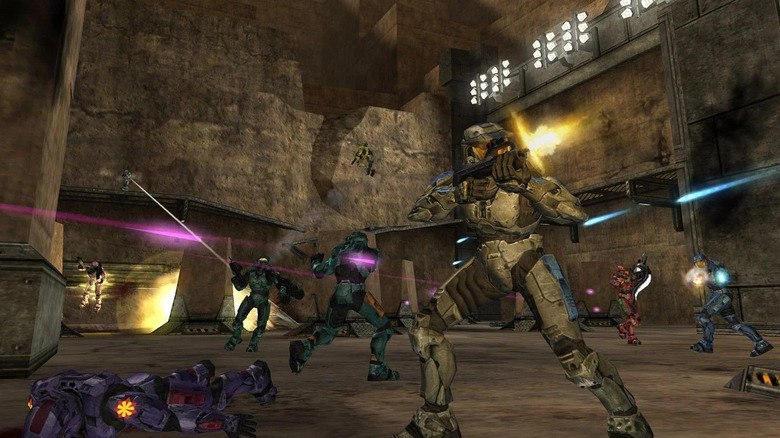
Though "Halo: Combat Evolved" helped the Xbox gain traction upon its launch in 2001, its sequel is the "Halo" game that stands above the rest. The game opens with Earth attacked by the villainous extraterrestrial coalition, the Covenant, with Master Chief leaping back into action to repel the invasion. This is juxtaposed with the Arbiter, a disgraced Covenant Elite, tasked with stopping a growing splinter faction from their ranks. These plot lines converge when the two soldiers find themselves battling a returning parasitic race called the Flood, which wants to infect and subjugate all organic life.
Beyond its success and proving that the "Halo" series could avoid the sophomore slump, "Halo 2" offered an important distinction to console gaming. Unlike the first game, the sequel featured online multiplayer functionality through Xbox Live as opposed to local or LAN-based multiplayer gameplay. Xbox Live became a staple on Microsoft's home consoles and brought console-based online multiplayer to new heights of popularity that has only grown since. Cementing both the "Halo" series' continued viability and Xbox's place in the industry, "Halo 2" catapulted console first-person shooters to greater success.
Half-Life 2
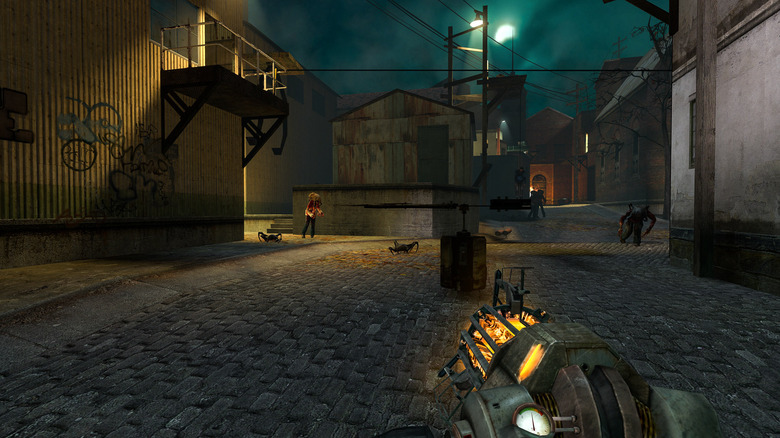
The original "Half-Life" helped turn the Valve Corporation into a gaming juggernaut, and that distinction only increased with its sequel. "Half-Life 2" has Earth conquered by an extraterrestrial force known as the Combine, spinning out of the events of the first game. Returning protagonist Gordon Freeman is revived from a 20-year stasis and joins a resistance effort against the occupation. Teaming up with Alyx Vance, Freeman battles the Combine as he tries to retake his planet.
While "Half-Life 2" is one of the best sci-fi video games of all time, the real and lasting impact it brought to the industry was its engine. Built within the Source engine, which significantly improved the in-game physics and visual presentation, the game was a massive step forward for the series. Valve went on to use the Source engine for "Counter-Strike," "Team Fortress 2," "Dota 2," "Left 4 Dead," and "Portal," refining the engine's capabilities. The game also was available for digital sale on Steam, helping the online storefront become such an industry staple today.
Super Mario 64 DS
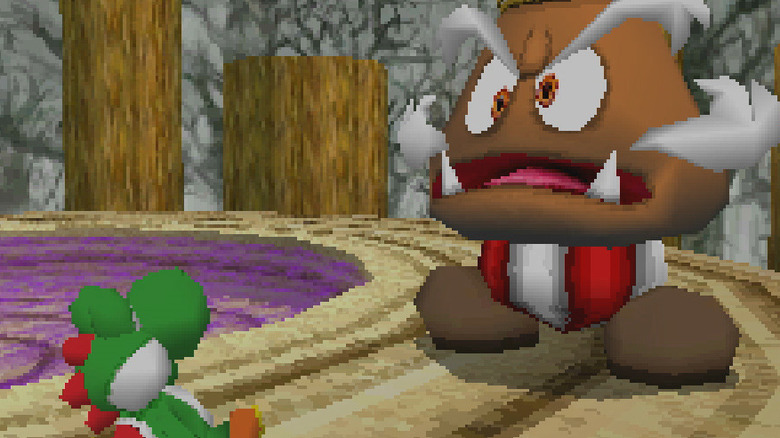
When Nintendo decided to release a new handheld console after the Game Boy Advance, it developed a robust launch library for what would become the Nintendo DS. The most prominent of this initial wave of titles was "Super Mario 64 DS," a remake of the popular 1996 Nintendo 64 game. Rather than just having Mario as its sole protagonist, the game also added Luigi, Yoshi, and Wario as other playable characters. The game also offers a multiplayer mode and a selection of minigames to enjoy, via the DS' WiFi functionality.
More than just making this list on its own merits, "Super Mario 64 DS" also signals a whole new era for Nintendo. The DS was the first Nintendo console, handheld or otherwise, with built-in wireless internet functionality, something that the "Super Mario 64" remake utilized well. In terms of the game itself, it feels like an immersive expansion of the 1996 game, with slight improvements, while also showcasing the dual-screen functionality the DS became known for. For over a decade, the DS became the best-selling console in Nintendo history and "Super Mario 64 DS" helped provide that successful launch.
World of Warcraft
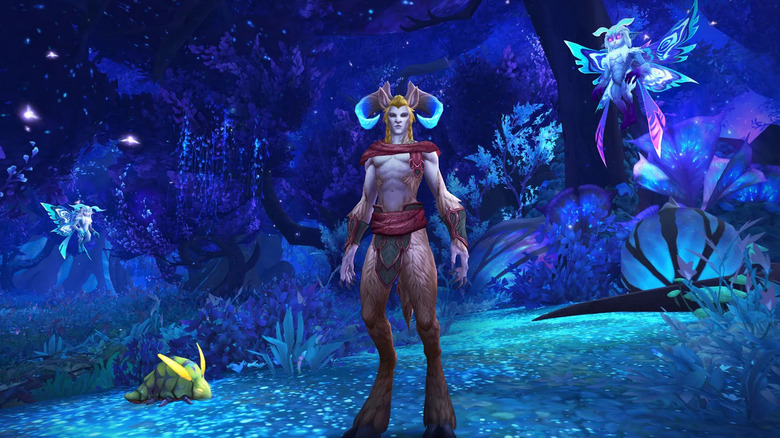
MMOs existed before "World of Warcraft" but they were never the same after Blizzard's popular online game launched. Players can choose between races and classes for their characters within either the Alliance or the Horde as they explore the medieval fantasy world of Azeroth. They can then level up and develop their skills as they complete quests and battle enemies or join other players on epic raids and instances. Since its launch, Blizzard has kept the experience fresh with waves of updates and DLC, expanding the already sweeping scope with new content.
Over 20 years later, "World of Warcraft" is still worth playing, whether you're a returning player or a newcomer to the MMO. But there's a reason why Blizzard re-released the initial version of the game in 2019 under the title "World of Warcraft Classic," and that's because those early years were something special. Other companies noticed, with a whole wave of other major MMOs released in its wake, including "The Matrix Online" and "Star Trek Online." Still a robust online institution, "World of Warcraft" remains the gold standard for MMOs, no matter the genre or property.