
Why There's Simply No Need For Physical Video Games Anymore
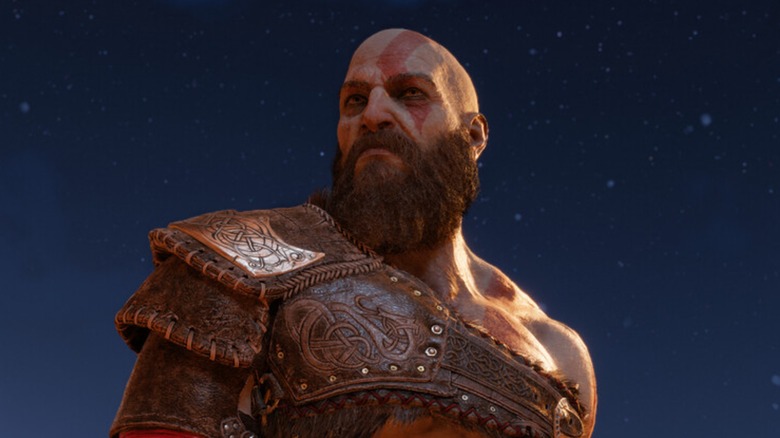
Most gamers have a story or two about the excitement they felt when they scooped up a new game from the store. There's nothing quite like holding a case in your hands, looking at the cover art you've been picturing for months, and reading the copy on the back over and over again until you get home to play. That long drive back from the store with the case burning a hole through a plastic bag is a sweet, nostalgic torment that no gamer wants to give up.
Sadly, that entire experience will soon be a thing of the past. Sony has revealed that by 2028, it won't be making any new, physical PlayStation games. Other gaming companies haven't made similar announcements yet, but it's not hard to picture them following suit. Digital-only games have some real advantages -– the best free-to-play games of 2026 wouldn't exist, for example –- but gamers aren't particularly excited about this development.
There's been a real outcry from gamers online in the wake of Sony's big announcement, but few believe that the pressure will force the company to reverse its decision. The truth is, there's not much incentive for companies to prioritize making physical video games anymore, and by fighting to save it, gamers are missing out on an even more important battle.
Physical media is on a long decline
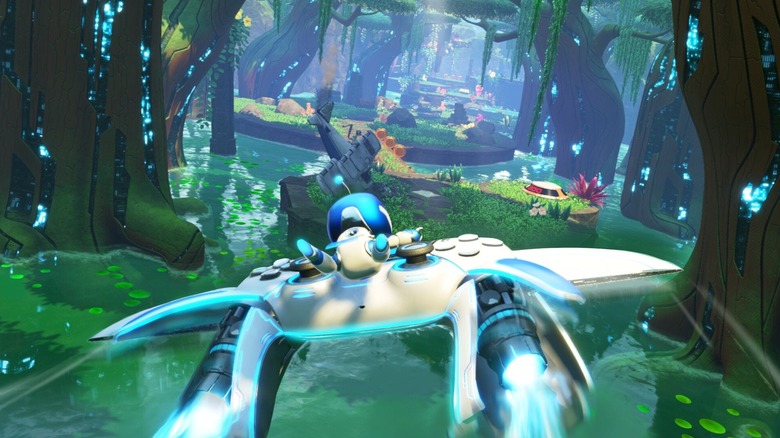
Gamers have a right to be upset, but there are reasons for physical media's gradual extinction beyond greed. For all its flaws, digital media is an unbelievably convenient technology. Gamers can purchase a game through a digital storefront and access it at any time from almost anywhere in the world. There's no need for bulky cases, and sometimes they can even use one copy on multiple devices. Digital media also lowers the bar of entry for game developers, allowing some amazing indie video games to flourish.
The promises inherent in digital media are fantastic, and the majority of gamers have bought into them. The digital format has been so widely adopted that it's completely changed the landscape of the gaming industry. In 2025, roughly $1.5 billion worth of physical games were sold in the United States –- the lowest recorded amount in 30 years. Gaming is more popular than ever, but the majority of players are purchasing digital games.
In the PlayStation ecosystem specifically, the physical media situation is dire. Financial reports revealed that in the first fiscal quarter of 2026, nearly 85% of PlayStation games sales were digital. Other reports indicate that Sony has seen a 50% reduction in physical PS5 games sales over the past four years. While the logic behind preferring physical media is solid, the sad truth is that the majority of gamers have already given up on the format.
Gamers need consumer protections

There is a growing outcry from gamers who want to push back against the march toward digital media domination, rightfully pointing to a huge suit of problems. The increased reliance on an internet connection has pushed some developers to include online requirements for single-player games. Much more concerning, though, is that digital media has a tendency to disappear. Sony has removed content from the PlayStation Network in the past, a bitter example of the lack of full control gamers have over their digital products.
Supporters of physical video games say that disc-based media is the solution. Physical media doesn't encourage devs to add extraneous internet requirements, and it can't disappear at any moment. Just as gamers in the 2020s can still play copies of hit '80s video games, physical media fans want to be able to play today's games in the 2060s.
Some states have started rolling out legislation forcing companies to make it clear when consumers are purchasing a license to use a digital product rather than buying the product outright. That at least better informs users that their digital media might disappear, and hopefully that kind of legislation is only the start. Digital media doesn't need to be a bad thing. If gamers start fighting for regulation that supports their access to digital products, then fully digital gaming can finally live up to its promise.