
5 Best Sega Genesis Games Of All Time, Ranked
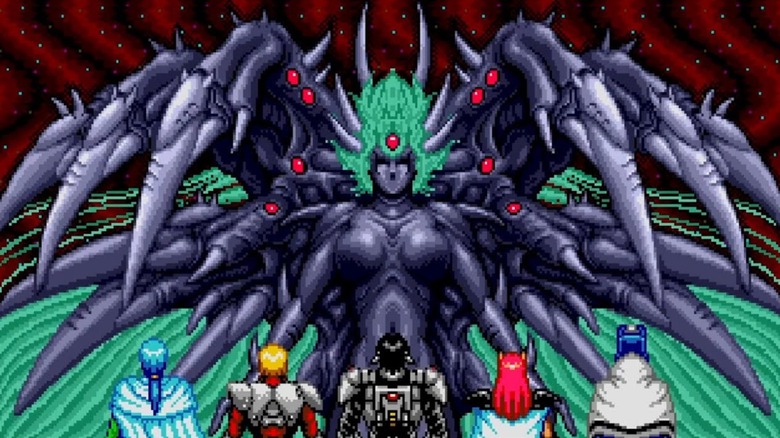
The Sega Genesis was one of the most popular 16-bit consoles on the market back in the late 1980s and 1990s. Powered by the signature Sega Genesis blast processing, the console provided a more technically impressive presentation and ambitious gameplay than prior platforms. It saw the introduction of several new and ultimately enduring franchises, and it revamped existing ones. Sega was never the same after the Genesis, with the company arguably peaking here — it would still produce quality games but was unable to create similar levels of commercial success with its subsequent consoles.
Nearly 40 years since its launch in 1988, we're looking back at the greatest games produced for the console. These titles not only took full advantage of Sega's hardware but delivered experiences that still thoroughly hold up for today's audiences. For the purposes of this list, we're focusing on games for the base Genesis (known as the Sega Mega Drive outside of North America) and not including ones that were exclusively for its Sega CD or Sega 32X peripherals. Here are the five best Sega Genesis games of all time ranked, showcasing the classic 16-bit console at its most unabashedly fun.
5. Castlevania: Bloodlines
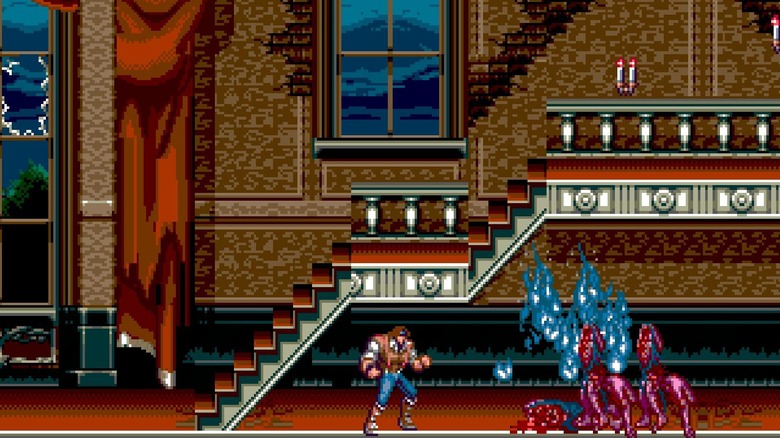
With original titles on the Super Nintendo, Game Boy, and TurboGrafx-16, it felt like "Castlevania" was everywhere in the '90s. The Genesis got its own installment in Konami's long-running franchise with "Castlevania: Bloodlines," released for the console in 1994. The game introduces new protagonists John Morris and Eric Lecarde, each armed with their own signature weapons, as they battle monsters across Europe during World War I. This culminates in a showdown in an English castle as the heroes try to prevent Dracula's resurrection in an occult ritual.
The first entry set in the 20th century, making it the last in the "Castlevania" timeline at that time, "Bloodlines" mixes gothic atmosphere with industrial grunge. This is most saliently demonstrated in a level set in a German war munitions factory, including its climactic mechanical boss. John and Eric play differently from each other and have separate narrative motivations, which adds to the game's replayability factor. The most underrated 16-bit "Castlevania" game by far, "Bloodlines" is without a doubt among the best action platformers for the Genesis.
4. Phantasy Star IV: The End of the Millennium
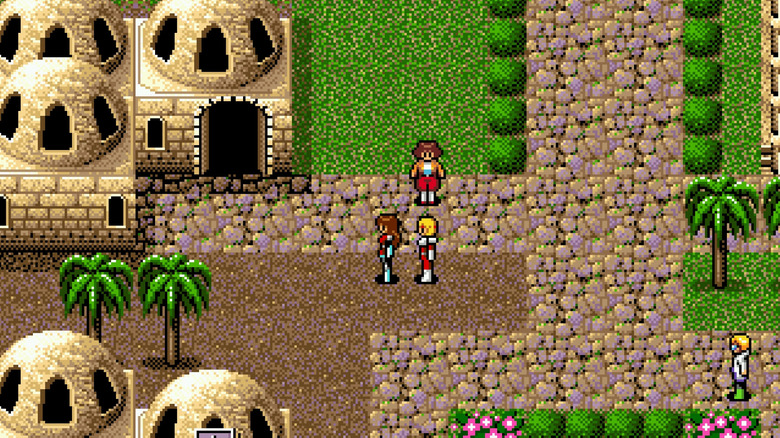
Sega dipped its toes into the RPG space in the '80s, most notably with the underrated 1987 video game "Phantasy Star" for the Master System. The series would later move to the Genesis, with its standout entry on the console being "Phantasy Star IV: The End of the Millennium." The 1993 game is a standalone story set between "Phantasy Star II" and "Phantasy Star III," with a new band of heroes assembling to save the galaxy. The turn-based RPG combat returns, this time integrated with a combo system encouraging party members to string together attacks for maximum damage.
The final "Phantasy Star" game released for the Genesis, "The End of the Millennium" feels like an ambitious RPG epic. The game's greater emphasis on its story (often illustrated by manga panel-style sequences) along with a distinct setting makes it feel like the series' most rewarding adventure. Following the 1993 title, the "Phantasy Star" franchise shifted to action RPG and online gameplay, leaving the turn-based RPG genre to contemporaries like "Final Fantasy." One of the best turn-based RPGs that Sega ever produced, "Phantasy Star IV" leaves us wishing the company would return to its fan-favorite franchise's roots.
3. Gunstar Heroes
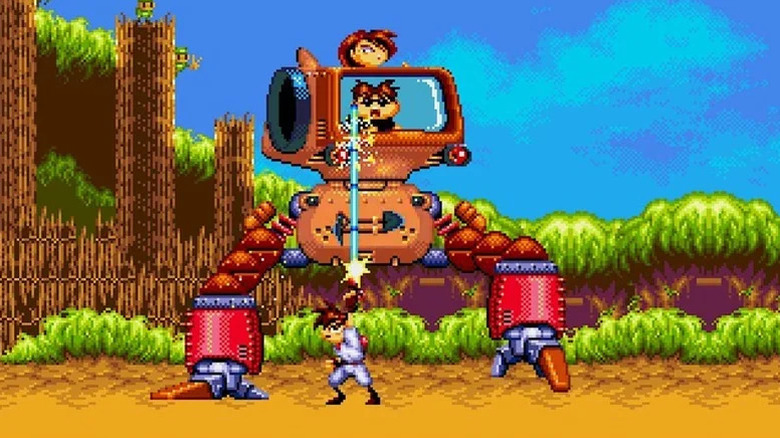
Another genre that thrived in the '90s was side-scrolling run-and-game titles like "Contra" and "Metal Slug." While the Genesis did have its own fantastic "Contra" game with 1994's "Contra: Hard Corps" (the first "Contra" game made specifically for a Sega machine), the better run-and-gun game on the console is 1993's "Gunstar Heroes." A sci-fi side-scroller, the game follows a group of heroes, known as the Gunstars, battling an evil empire. Like "Contra," the game features a two-person co-op mode to double up on the frenetic action as the Gunstars blast through waves of enemies.
Packed with explosive action set pieces, "Gunstar Heroes" takes hold of players and doesn't let them go across its breathless experience. The game is also more accessible than many of the more unforgiving contemporaries in its genre, while still providing a healthy challenge. Though it spawned a direct sequel, it does feel like "Gunstar Heroes" is a hit '90s game that no one remembers today. With that in mind, do yourself a favor and find a digital re-release of the game to treat yourself to one of the most engaging run-and-gun games ever made.
2. Sonic the Hedgehog 2
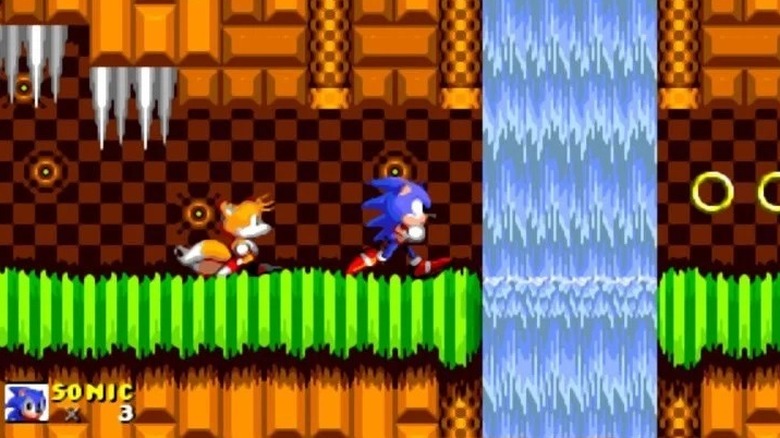
1991's "Sonic the Hedgehog" gave Sega the official mascot it had been looking for since the '80s and provided the company with a flagship franchise. Immediately following up on this success, "Sonic the Hedgehog 2" was released 17 months later in time for the 1992 holiday season. As Sonic resumes his feud against the mad scientist Dr. Ivo Robotnik, the blue speedster is joined by the equally fast fox Tails. The duo pursue Robotnik across a set of new levels, including the industrial Oil Ocean Zone and dazzlingly neon-lit Casino Night Zone.
With some enjoyable level design and a memorable soundtrack on top of the fast-paced gameplay of the original, "Sonic the Hedgehog 2" is an all-around improvement over its predecessor. The addition of a drop-in co-op multiplayer option through Tails was a revolutionary feature for its time, as were the faux 3D special stages. With such a quick turnaround time, it's a marvel that the 1992 sequel was such a huge leap forward for the series. Sega continued to refine the franchise throughout the Genesis' lifecycle but there's still something about "Sonic the Hedgehog 2" that puts it above the rest.
1. Streets of Rage 2
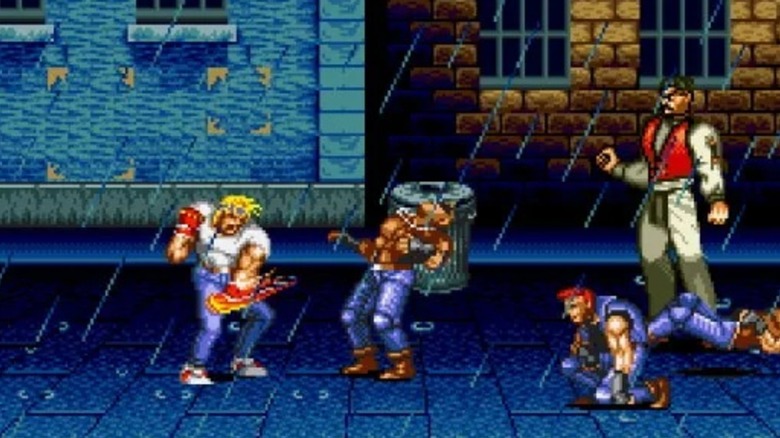
There's only one Genesis game that tops "Sonic the Hedgehog 2," and that's "Streets of Rage 2." The side-scrolling beat'em-up sequel to the 1991 original game also came out in time for the 1992 holidays, with both games helping to make 1992 a standout year in Sega's golden age. "Streets of Rage 2" features returning protagonists Axel Stone and Blaze Fielding, joined by new playable characters Max Thunder and Skate Hunter, as they fight a fresh crime wave. This leads the heroes to discover that crime boss Mr. X has returned with a deep grudge against the vigilantes who toppled him in the previous game.
Console-based side-scrolling beat'em-ups don't get much better than "Streets of Rage 2," which stands as a high point in the genre. The combat feels subtly smoother and more intuitive than the original game while there is a greater variety in the playable characters' fighting styles. The game also has one of the best soundtracks of the 16-bit era, really capturing that pulsating '90s aesthetic. One of the greatest early '90s games on any platform, "Streets of Rage 2" is a pitch-perfect encapsulation of the Genesis' appeal.