
5 Classic PC Games That Are Unplayable Today
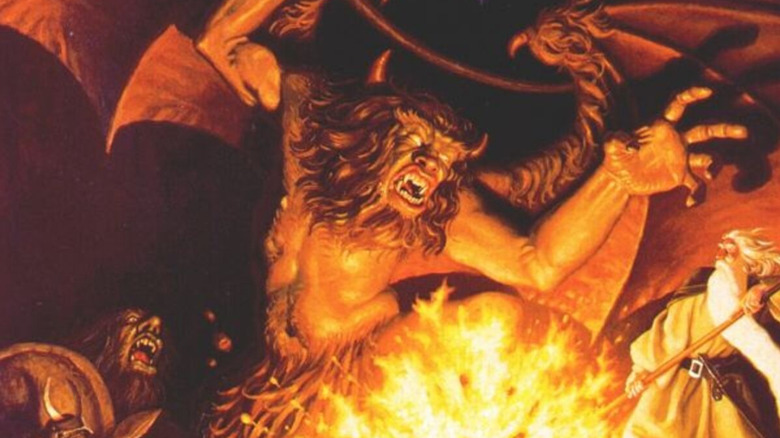
There are a number of incredible video games that you can't legally play today, even bona fide classics for the PC. While a growing number of games receive modern remasters or are resurrected by online services like GOG, there are still quite a few popular titles that remain unavailable. While emulators and unauthorized versions may be floating around the internet, there are a multitude of games that never received an official re-release. The titles involved range from RPGs and point-and-click experiences to turn-based strategy and world-building games.
With that in mind, we're highlighting beloved PC games that remain unplayable on modern platforms for a myriad of reasons. Whether it's lapsed rights for licensed properties or titles that haven't been optimized for modern PC hardware, these games lack an authorized way to play outside of their original platforms. For the purposes of this list, we're considering classic titles as games released at least 25 years ago. These are five classic PC games that are unplayable today, at least in an official capacity on modern platforms.
Dune II
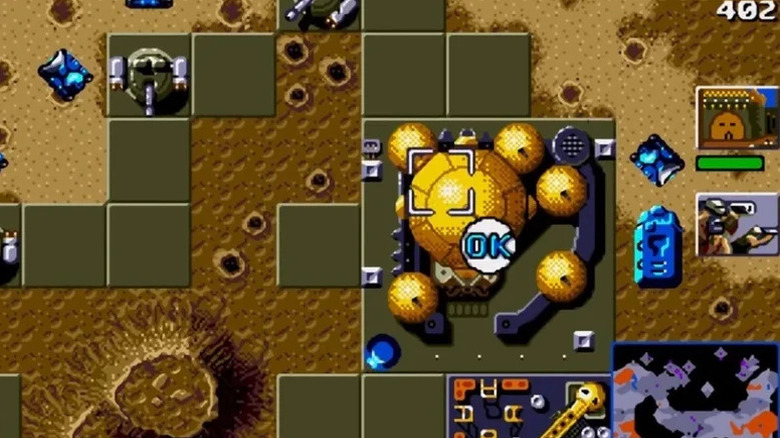
While fans may look to "Age of Empires" and "Warcraft" as early titles in the real-time strategy genre, it was "Dune II" that secretly inspired modern franchises. The 1992 game had players control one of three rival houses on the desert planet of Arrakis as they try to establish dominance over the environment and its spice trade. This is done through developing bases and an army to overwhelm the other factions on the map. The game's campaign is divided into mission-oriented chapters and, given the constraints of the hardware, was a single-player experience only.
"Dune II" is a game sequel that is nothing like the original, with the preceding title a point-and-click adventure experience. The game has many of the core concepts that became commonplace in real-time strategy titles moving forward, including tech trees, faction-specific units, and mobile buildings. Developer Westwood Studios subsequently went on to work on the "Command & Conquer" series, which retains a lot of its penchant for engaging real-time strategy gameplay. With Westwood Studios having shut down in 2003 and Funcom currently holding the "Dune" video license with titles like "Dune: Awakening," "Dune II" remains without a re-release.
J.R.R. Tolkien's The Lord of the Rings
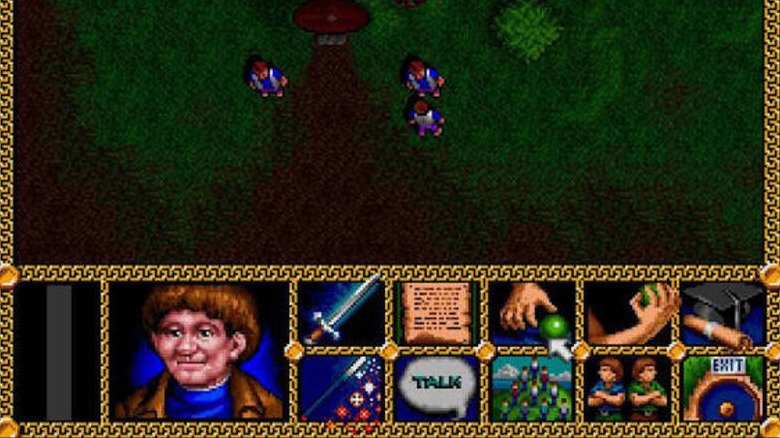
If we're talking about iconic properties where licensing issues come into play regarding modern availability, "The Lord of the Rings" certainly qualifies. Interplay released a pair of video games loosely adapting the first two-thirds of author J.R.R. Tolkien's high fantasy trilogy starting in 1990. The games take on a top-down perspective, with players controlling a party led by Frodo Baggins as he navigates Middle-earth. The world map is quite expansive and allows players to revisit past territories and complete side quests as they continue the narrative from the books.
"J.R.R Tolkien's The Lord of the Rings" offers one of the most immersive video game approaches to the source material for its time. The game's sweeping scope and RPG gameplay really lends itself well to the fantasy world that Tolkien created. Unfortunately, due to the low sales for "J.R.R. Tolkien's The Lord of the Rings, Vol. II: The Two Towers," plans to complete the trilogy were quietly canceled. Since then, both of Interplay's titles have since fallen into obscurity and gone without a re-release as other developers have obtained the "Lord of the Rings" gaming license.
Star Trek: The Next Generation -- A Final Unity
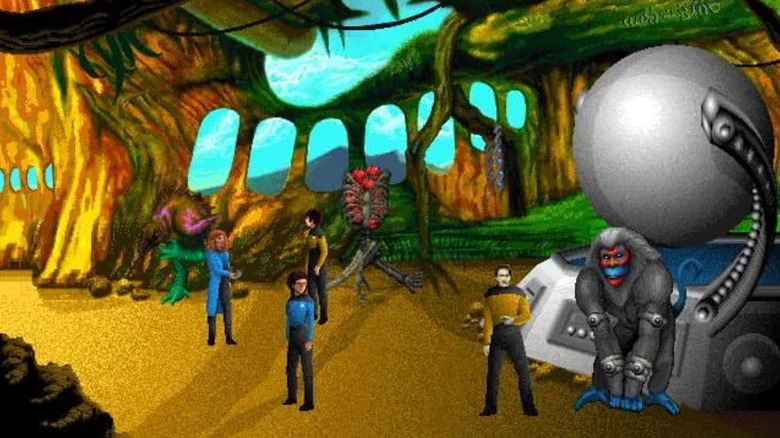
Compared to the extensive history of fan-favorite "Star Wars" video games, "Star Trek" has a more uneven record in terms of quality games. One highlight from the franchise's '90s output is "Star Trek: The Next Generation — A Final Unity," released in 1995 for MS-DOS and Classic Mac OS. The game has Captain Jean-Luc Picard and the crew of the Enterprise agree to assist in recovering an ancient scroll capable of averting a war. This sparks resurgent tension with the Romulan Empire to locate a powerful device linked to the scroll.
While it's not ranked among the best interactive story games of all time, "Star Trek: The Next Generation — A Final Unity" definitely stands among the more impressive "Star Trek" games. The show's main cast reprises their roles for the point-and-click title, making the whole thing feel like a lost episode of "The Next Generation." Players can use the Enterprise's ship systems as they proceed with their mission and also guide away teams as the starship visits various planets. However, unlike contemporaries such as "Star Trek: 25th Anniversary" or "Star Trek: Hidden Evil," "A Final Unity" has yet to be re-released.
Civilization II
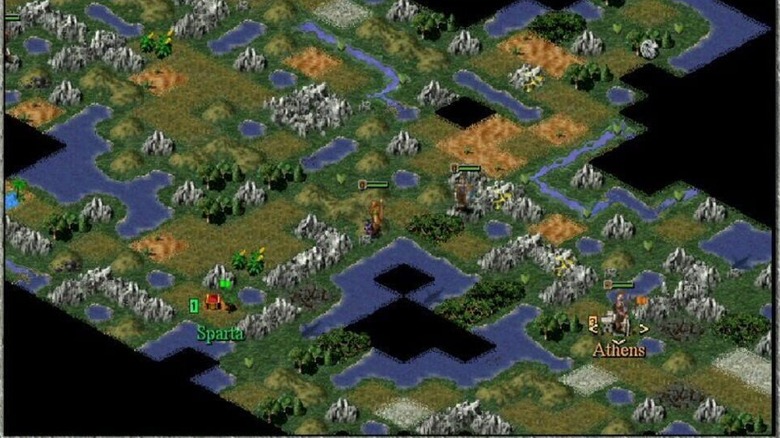
Sid Meier's "Civilization" is one of those video game series that's become a cornerstone for turn-based strategy experiences, especially on the PC. Whether it's sinking countless hours into "Civilization VI" or revisiting "Civilization III," the franchise has an extensive history that started in 1991. However, neither the original game nor its pitch-perfect 1996 sequel "Civilization II" have received official re-releases. Even the latter game's 1999 enhanced remaster, "Civilization II: Test of Time," has yet to be reissued for modern platforms, in contrast to the series' later entries.
A likely cause behind this omission is that the original "Civilization" games were developed and published by MicroProse. 2001's "Civilization III" was the first in the series developed by Firaxis Games, where the franchise has stayed ever since. That means, whereas "Civilization III" has remained available for 25 years and counting for modern platforms, its predecessors have not. Formative titles in the history of strategy games, "Civilization" and "Civilization II" are overdue for a re-release of some sort.
Black & White
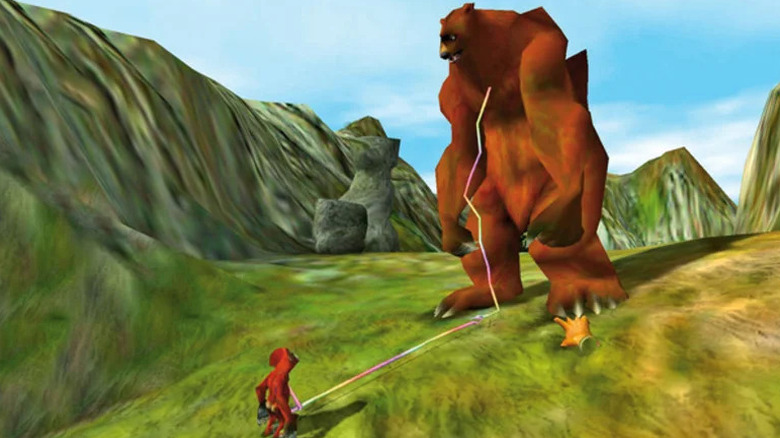
More than just a strategy game, 2001's "Black & White" was an ambitious god simulator, shaping entire landscapes and environments. The game positions players as a deity overseeing a chain of islands populated by various tribes. Through acts of god, players can affect the environment to help or punish the humans under their watch. This directly affects how the populations envision their presiding demigod, either worshipping or reviling the player accordingly.
"Black & White" and its 2005 sequel really set the stage for god simulators and differentiated them from other strategy games. The game lets players bring their inner saint or devil to light as they shape the course of civilizations with either love or rage. However, after developer Lionhead Studios was acquired by Microsoft, the game hasn't been optimized or digitally re-released for modern platforms. That means the only way to play either "Black & White" game is if you have those original discs.