
5 Best Interactive Story Games Of All Time, Ranked
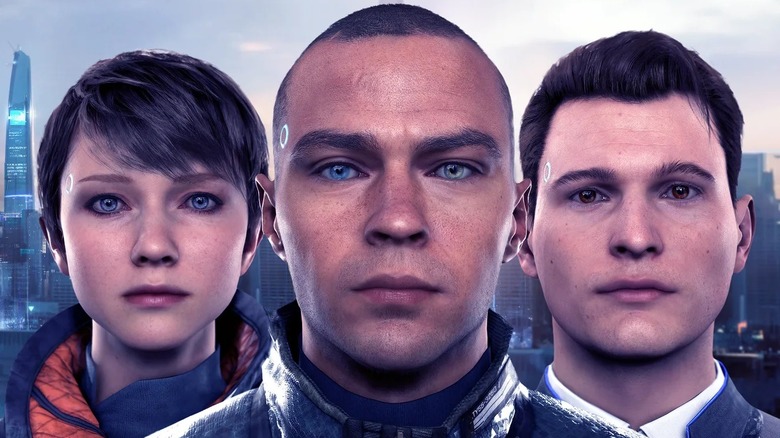
While they've grown in scope as console capabilities have evolved, interactive story games can trace their roots all the way back to the text-based experiences and point-and-click titles of the early '80s. From "King's Quest" and "Maniac Mansion" to Telltale Games' memorable library of narrative-driven titles, players love to engage with a story that proceeds based on their input. There's something uniquely satisfying about playing a game that allows you to shape the plot based on your own personality and morals, as you feel like an active participant in the storytelling.
Before we proceed, we're going to distinguish exactly what kind of game qualifies here. After all, the vast majority of games these days involve some form of narrative deviation based on player choices. For the purposes of this list, we're sticking with titles where the gameplay isn't the main highlight, but instead serves to enhance and connect gamers to the story while dictating how the narrative unfolds. With that in mind, here are the five best interactive story games of all time, ranked.
5. The Walking Dead
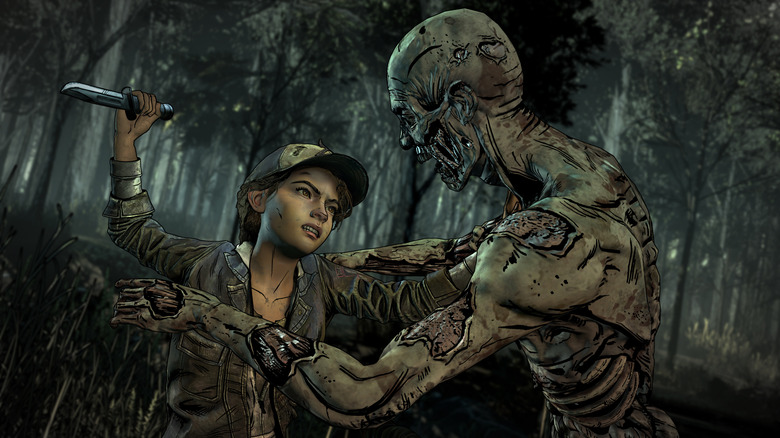
"The Walking Dead" has become a global phenomenon on multiple fronts thanks to the hit TV show. The horror franchise's best game to date is Telltale's episodic graphic adventure title from 2012. Set within the world of the comic book series by Robert Kirkman, Tony Moore, and Charlie Adlard, the story initially centers on convict Lee Everett and a little girl called Clementine. The two survivors pair up amidst the ongoing zombie apocalypse, forming a surrogate father-daughter bond as they try to find a safe haven. Along the way, the duo encounter several familiar faces from the main story as they traverse the deadly, zombie-ridden landscape.
It's no secret that Telltale's "The Walking Dead" was almost based on a different franchise. That would have been a shame, as the format fits "The Walking Dead" so well. The impact of each major decision is felt so acutely and there are many pivotal ones throughout each episode, all impacting the course of the story. In addition to the conversation-based decisions and quick-time event action sequences, the game provides players with intuitive puzzles to solve and an immersive environment to explore. One of the few licensed Telltale titles left available for purchase on digital storefronts, "The Walking Dead" is a brilliant showcase for why the developer was so popular for years.
4. Until Dawn
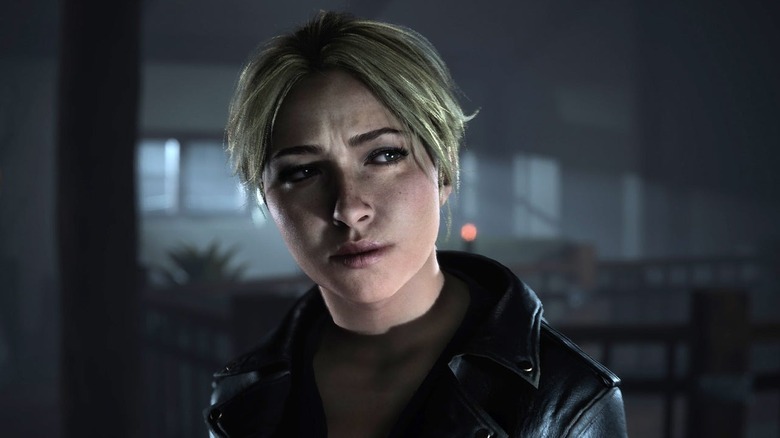
2015's "Until Dawn" is a celebration of the horror genre and the project that put British developer Supermassive Games on the map. The game takes place at a remote lodge in the mountains, with a group of young adults convening for a weekend getaway despite a traumatic incident from their past. As the ensemble splits up, they find the surrounding area teeming with ravenous wendigos tied to the dark history of the region. The friends try to escape from the lodge alive, with the player's choices dictating how many — if any — are successful in surviving the weekend.
Backed by a strong voice cast, "Until Dawn" provides gamers with a cinematic experience that encourages repeat playthroughs to see the whole story. Like "The Walking Dead," each decision has profound consequences that keep the player on the edge of their seat, even for seemingly mundane choices. Following the game's success, Supermassive Games has produced a line of fan-favorite horror story games, but none at the same level as this one. One of the best horror games of all time, "Until Dawn" is another tremendous use of narrative-based experiences to deliver an enjoyably frightening gameplay experience.
3. Detroit: Become Human
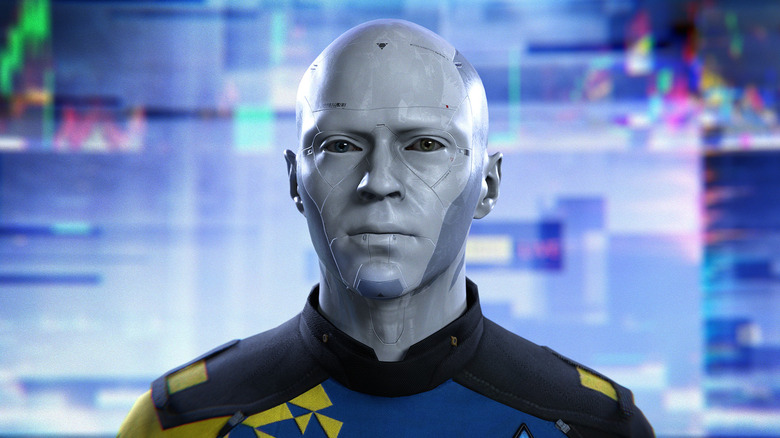
French developer and publisher Quantic Dream's 2018 game "Detroit: Become Human" follows three androids, each fulfilling different roles in a near-future society that widely employs synthetic servants. The game's three protagonists are Connor, an android tasked with hunting rogue synthetics, Markus, a synthetic trying to liberate androids, and Kara, an android taking care of a young girl. The actions of these three characters determine how the overarching story unfolds as tension between androids and humans reaches a boiling point.
"Detroit: Become Human" raises ethical questions about the nature of humanity and existence without always providing clear answers. The quick-time events are handled more organically than prior Quantic Dream titles and the main characters feel more fully realized, which elevates the story's themes. And, with so many ways for the story to play out, there's a huge replayability factor here. "Detroit: Become Human" is a fantastically executed and wonderfully moody sci-fi game that you'll want to experience several times over.
2. Life Is Strange

Quantic Dream isn't the only French video game developer making acclaimed interactive story games — just look at Dontnod Entertainment's popular "Life Is Strange" series. The game centers on teenager Max Caulfield (played by actress and musician Hannah Telle), who has the unique ability to rewind time and change how events unfold. After saving her childhood friend, Chloe Price, Max begins using this paranormal power to stop tragedies from occurring around her Oregon town. This eventually involves Max trying to identify a serial killer targeting women around her community
"Life Is Strange" is both a richly developed coming-of-age story and an escalating murder mystery that draws players in. The rewind gameplay mechanic also means that players can revisit past actions, just like Max, adding a depth to the story and its potential directions. While the mystery angle gives the game its stakes, the real appeal is the dynamic between Max and Chloe, which provides a real emotional core. "Life Is Strange" grew into an entire franchise, but there's still something about that 2015 original game that makes it stand out from the crowd.
1. Grim Fandango
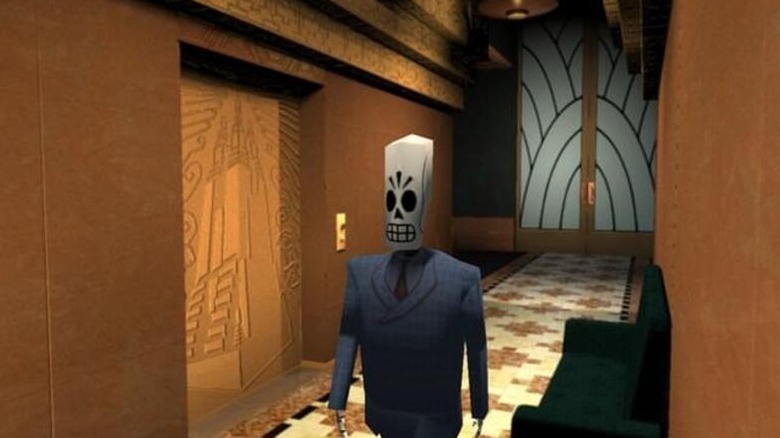
After working on interactive story games like "Day of the Tentacle" and "The Secret of Monkey Island," Tim Schafer wrote and directed the '90s cult classic game "Grim Fandango." Blending classic film noir tropes with Mexican Day of the Dead aesthetics, the game takes place in the afterlife realm of the Land of the Dead. Protagonist Manny Calavera helps arrange passage to paradise for clients, working off a debt before he can reach his eternal reward himself. With the game's story divided across four acts, Manny begins to unearth a plot involving crime lord Hector LeMans.
What's interesting is that this iconic LucasArts game was actually a commercial flop when it was released in 1998, but it steadily found its audience over the years. The game runs heavily on its atmosphere and evocative art design: It's immediately clear that this was a true labor of love for Tim Schafer, who brings the memorable environment and its gripping noir story to life masterfully. "Grim Fandango" is the full package — it's fun for all ages, it's immaculately designed, and it maintains a sense of reward with every playthrough.