
5 Forgotten PlayStation Games That Deserved Sequels
PlayStation is responsible for launching some of the most popular franchises in gaming. "The Last of Us," "God of War," and "Ratchet & Clank" all started on PlayStation consoles in the 21st century, and the best PS1 games ever made double as some of the most beloved games of the '90s. PlayStation launch titles have had highs and lows, but on the whole, every generation of the console has helped push gaming forward.
Time and time again PlayStation has changed the course of gaming history, but as impressed as we are with the console's accomplishments, we're still stuck thinking about some games that got overlooked. PlayStation has had some one-off exclusives that left fans dying for more, and there are more than a few multiplatform titles that gamers wish PlayStation would have gone all-in on. From games that put new twists on familiar premises to titles that pushed the boundaries of video game storytelling, these are some lesser known PlayStation games that deserved a sequel.
The Saboteur
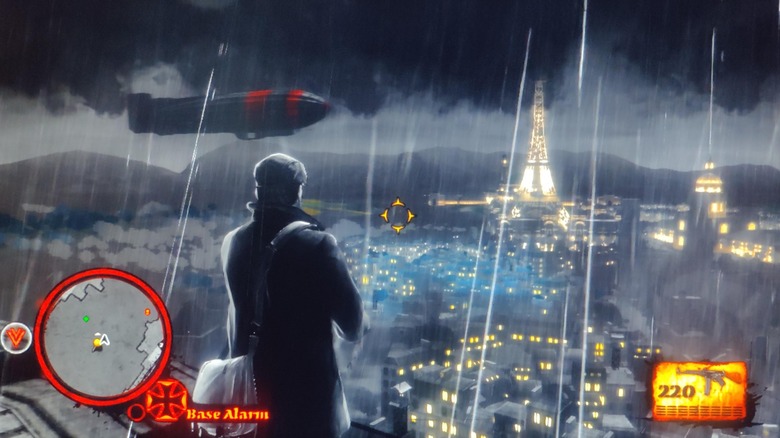
2009's "The Saboteur" allowed players to step into the shoes of Sean Devlin, an Irish race car driver who travels to Paris to escape his criminal background. Unfortunately for Sean, he arrives just in time for the Nazi invasion of France. Sean soon finds himself fighting alongside a resistance group trying to free the city from occupation while also battling enemies from his past.
In many ways, "The Saboteur" plays like a "Grand Theft Auto" game without the ludonarrative guilt. Players can drive around the city, get into fights with Nazi soldiers, purchase weapons and other illegal goods, and complete missions that progress the story. The format is familiar, but the small details really help "The Saboteur" stand out. In Nazi-occupied areas the game fades to black and white, with only Nazi reds and French resistance blues staying in color. NPCs react to the progress players make, and in more liberated boroughs of the city inspired citizens will come to help players who get into fights with Nazi soldiers. Players can also upgrade Sean with perks unlocked throughout the game and find disguises for him that allow for stealthier approaches to missions.
The historical setting and unique presentation make "The Saboteur" an open world "crime" game unlike any other. It's not hard to imagine how the game's concept could have been applied to other settings. Sadly Electronic Arts shuttered developer Pandemic Studios shortly after the game's release, so we never got "The Saboteur 2."
Tokyo Jungle
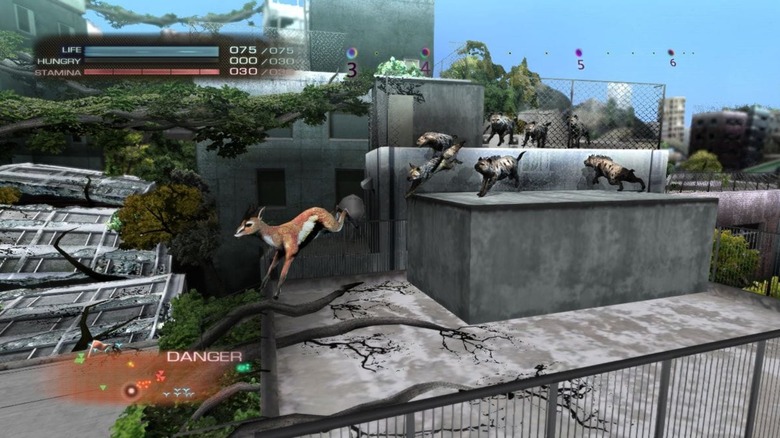
Post-apocalypse fans are constantly looking for great games like "Fallout," but that search might be distracting them from one of the most interesting end-of-the-world games ever made. "Tokyo Jungle" on the PlayStation 3 never got showered in the glory of series like "Fallout" or "The Last of Us," but the game's fascinating apocalyptic vision actually commits to killing off all of humanity. That leaves players with the option of inhabiting the paws, hoofs, and wings of the only creatures that survived the end of the world.
In the game's story mode, players move through missions featuring different animals moving through the abandoned streets of Tokyo and slowly learning about what happened to the world and the humans that used to live in it. The game also features single-player and multiplayer survival modes that tasks players with keeping their animal alive on the streets, which means finding food, avoiding predators, and gathering a pack for defence.
There are 80 different playable animals, including some extinct creatures that found a way back after the apocalypse. Learning how each animal plays and exploring the gorgeous overgrown ruins of Tokyo is a gameplay experience like no other, and it's a shame that there's never been a sequel to push the concept further.
Shadow of Destiny
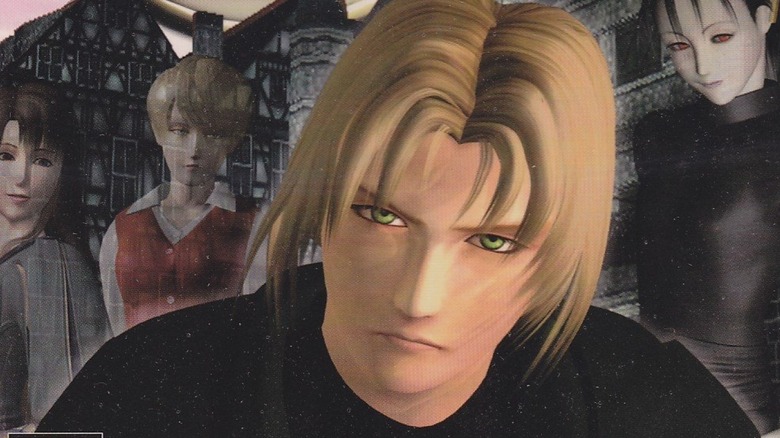
"Shadow of Destiny," which was released as "Shadow of Memories" in some regions, is a fascinating mystery game for the PlayStation 2 developed by Konami. Players take on the role of Eike Kusch, a German man who is murdered in 2001. Fortunately for Eike, the Homunculus resurrects him and equips him with a time travel device that allows him to go to the past to solve, and potentially prevent, his own murder.
The actual gameplay involves traveling to different time periods, talking with NPCs, and very occasionally interacting with objects to change the future. While players explore the world, they also need to collect energy to fuel their time travel device. The story is bizarre yet engrossing, and a reviewer for IGN called it, "one of the deepest and most engaging that has ever been told through a videogame."
That's good because you'll need to play through the game many times to get the full picture. There are eight different endings to "Shadow of Destiny," and two of them can only be unlocked by viewing the previous six. Konami created something special with this game, and we would have loved to see a "Shadow of Destiny" sequel that expanded on the time travel mechanics and top-notch writing of the original.
The Legend of Dragoon
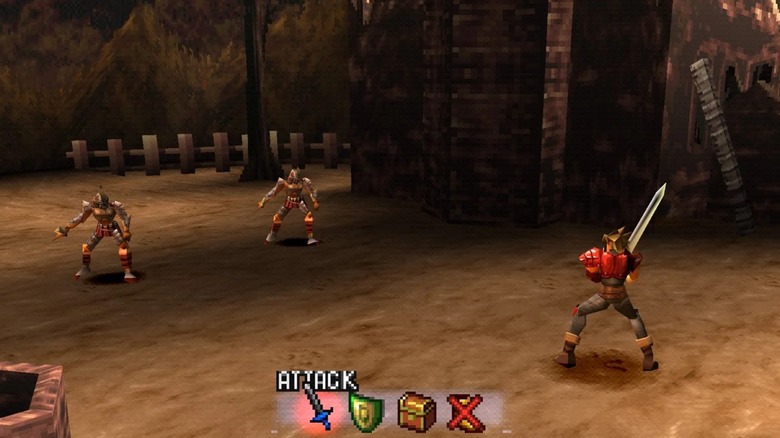
"The Legend of Dragon" is one of those hidden gems on the original PlayStation that most people have never played but that fans can never stop thinking about. Players follow a young hero named Dart who's searching the world for the Black Monster. Dart's quest leads him to some unexpected places, and he ends up gathering a party of friends to fight a corrupt empire and a God of Destruction.
The game clearly takes some inspiration from the "Final Fantasy" series, but despite following the typical JRPG formula, "The Legend of Dragoon" introduces enough original hooks to create a memorable experience that deserves more recognition than it gets. Players travel long distances on an overworld map, and they explore individual locations from a third-person perspective. Random encounters, which can be tracked and somewhat avoided thanks to an on-screen compass, take players into turn-based battles. In addition to standard physical and magical attacks, some character abilities will initiate quick-time events or powerful dragoon transformations during battle.
"The Legend of Dragoon" delivers everything gamers love about JRPGs. The gameplay is solid, the world and characters are entertaining, and the simple story is well-paced and delivers a satisfying conclusion. All the elements for a great JRPG series are here, but sadly "The Legend of Dragoon" never got the sequel treatment.
Asura's Wrath
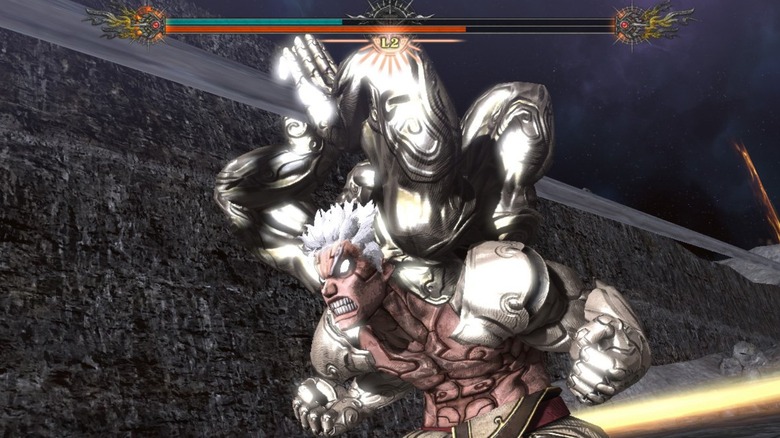
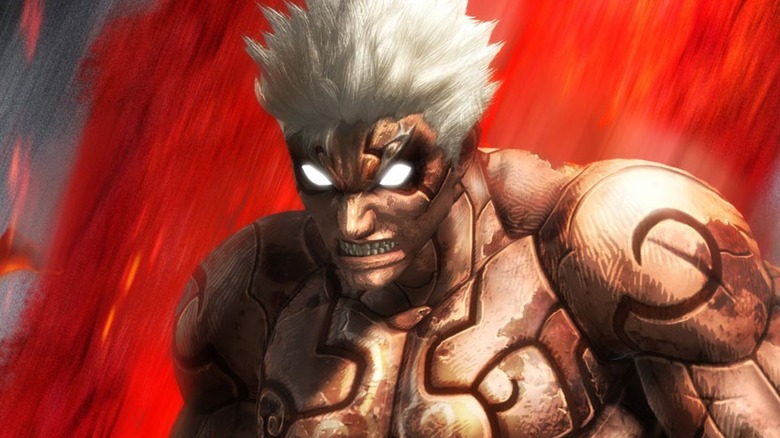
"Asura's Wrath" is an incredible genre mash-up of a game that landed on the PlayStation 3 and Xbox 360 in 2012. Developed by CyberConnect2, the game tells an original story based on Hindu and Buddhist mythology, and it casts players as the demigod Asura. As one of the Eight Guardian Generals, Asura is trapped in an eternal war with the god Vlitra. Asura is eventually betrayed by his fellow Generals, and his rage fuels an epic quest for revenge.
Part mythology, part fantasy epic, and part cybernetic sci-fi adventure, "Asura's Wrath" is unlike anything else you've ever played. The game is structured like an anime series, with players moving through the plot an episode at a time. Throughout the game, players encounter rail shooter segments, third-person beat-em-up levels, quick-time events, and lengthy cutscenes. The gameplay feels somewhat chaotic and disjointed, but the fluid shifts between sections will keep you engaged and on your toes from beginning to end.
Not everyone vibes with the bizarre presentation of "Asura's Wrath." The game received mixed reviews on release, which might be why we haven't gotten a follow-up despite its cliffhanger ending. More than a decade after its release, however, "Asura's Wrath" still has dedicated fans online calling for Capcom to publish a sequel.