
5 Sega Genesis Games That Still Hold Up Today
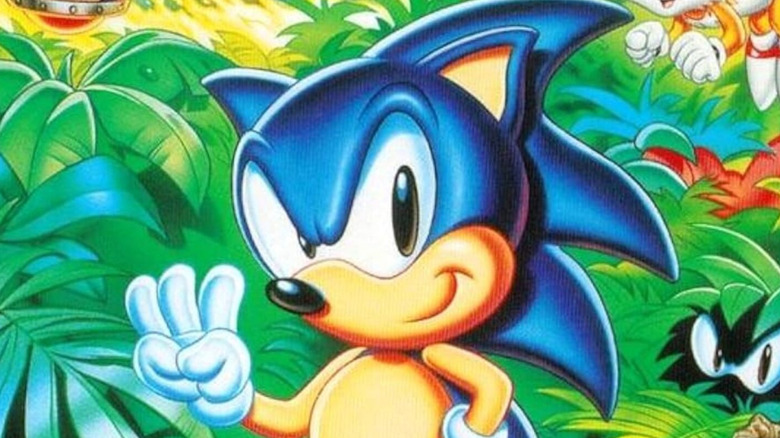
The Sega Genesis, or Mega-Drive as it was known in certain territories, was one of the most prominent home consoles of the '90s. Powered by Sega's signature blast processing, the 16-bit console gave Nintendo some serious competition with its own library of fan-favorite games. Sonic the Hedgehog first took off on the Genesis, while Sega kept the console's lifespan going with peripherals like the Sega CD and Sega 32X. Sega was never the same after the Genesis, with the Saturn and Dreamcast failing to recapture that lightning in a bottle, as much as we love those consoles too.
While there are many beloved games from the Genesis era, not all of them retain their appeal without the benefit of nostalgia. But there are some games for the console that transcend generations and their hardware limitations, and are still as much fun to play now as they were decades ago. With that in mind, we're looking at what aren't necessarily the best games for the console, but the ones that have stood the test of time the most clearly. These are the five Sega Genesis games that still hold up today as enduring classics from the 16-bit era.
Streets of Rage 2
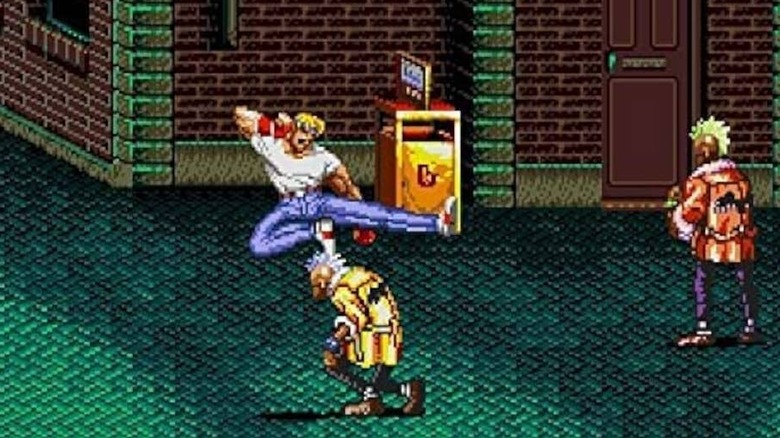
We're particularly fond of side-scrolling beat-'em-up games and the Sega Genesis had quite a few great ones during its lifespan. The best of the bunch is 1992's "Streets of Rage 2," arguably one of the greatest beat-'em-up titles released for any console. The game has returning protagonist Axel Stone and Blaze Fielding team up with new characters Max Thunder and Skate Hunter to rid crime from their city. Each character has their own unique attacks in addition to a screen-clearing special move, albeit at the cost of a portion of their health.
Simply put, "Streets of Rage 2" is one of the best Sega Genesis games of all time, regardless of its enduring replayability. Compared to its 1991 predecessor, the sequel is an all-around improvement, with an increased scope and smoother gameplay mechanics. The presentation has been enhanced as well, particularly in regard to its sound design, as evidenced by its mood-setting soundtrack. The high point of the fan-favorite series, "Streets of Rage 2" should be in every Genesis owner's collection.
Phantasy Star IV: The End of the Millennium
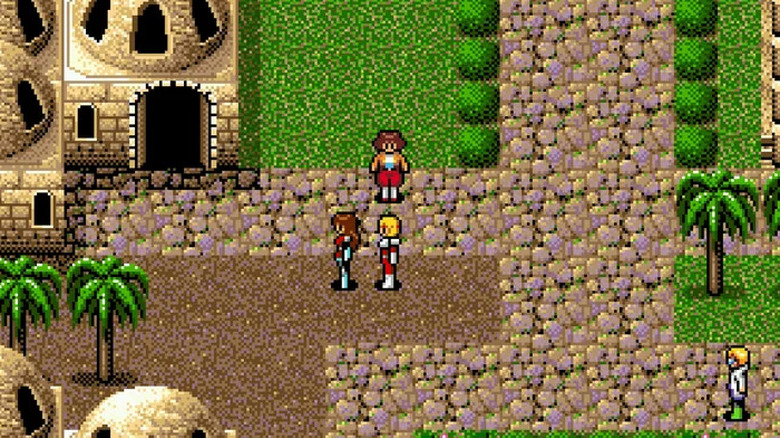
While the Super Nintendo had the "Final Fantasy" series, the Genesis had "Phantasy Star," Sega's own in-house RPG series. The last mainline game in the series, before the franchise shifted to online games and spin-offs, was 1993's "Phantasy Star IV: The End of the Millennium." Like many other RPGs of its era, "Phantasy Star IV" features a top-down perspective and turn-based gameplay as its characters move to save the galaxy. One of the game's defining features is a combo system within its combat mechanics to combine and string attacks together.
"Phantasy Star" is one of those Sega franchises that we wish would make a full comeback outside of its online titles. The game is quite distinct from other RPGs of its era, particularly when compared to contemporaries like "Dragon Quest" and "Final Fantasy." The game's arid world is richly rendered and the greater emphasis on its story fuels the overall player investment in the experience. When looking back at '90s RPGs that aged surprisingly well, "Phantasy Star IV" is another game that deserved to be on that list.
Sonic the Hedgehog 3
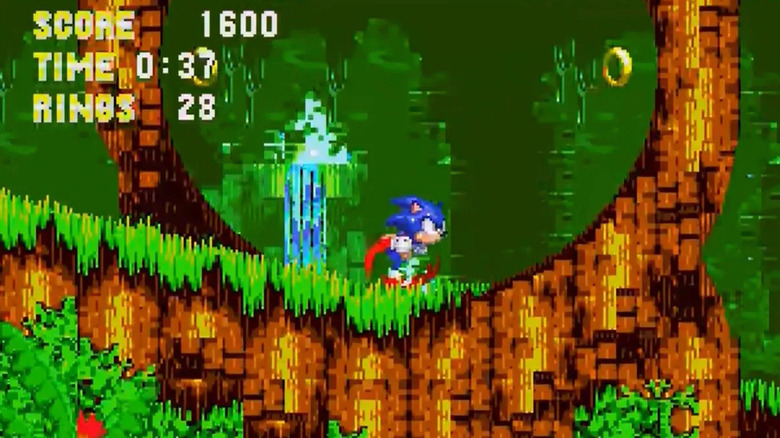
The Sonic the Hedgehog franchise produced video games that defined 16-bit gaming and gave Sega an iconic mascot. Rounding out the main series' trilogy on the console is 1994's "Sonic the Hedgehog 3," which introduced Sonic's pugilistic frenemy Knuckles the Echidna. Sonic and Tails move to stop Doctor Ivo Robotnik's latest plot for world domination, complicated by Knuckles initially believing Sonic to be an enemy. Navigating an imaginative line of new levels, Sonic and Tails attempt to obtain all the Chaos Emeralds and defeat Robotnik once again.
What gives "Sonic the Hedgehog 3" the edge in an article about longevity in retro gaming appeal is that it's the first title in the series to have a save feature. Allowing up to six files, this innovation meant that players no longer had to beat the game in a single sitting. Players also have the option to choose which character to play through a level as, while the game's overall presentation and performance has been refined. While perhaps not as fondly remembered as its two predecessors, "Sonic the Hedgehog 3" quietly endures better than its counterparts.
Castlevania: Bloodlines
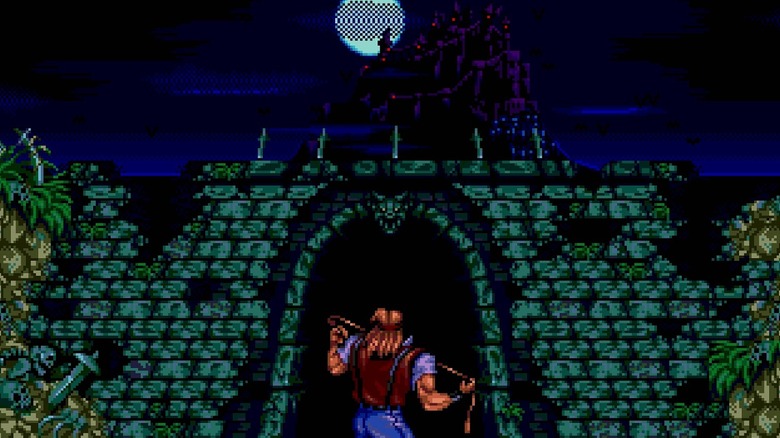
Konami brought several of its major franchises to the Genesis, including "Contra" and "Teenage Mutant Ninja Turtles," but its standout on the console is "Castlevania." The action series released a lone title for the 16-bit console with "Castlevania: Bloodlines" in 1994, going further in the entire "Castlevania" timeline than any other title at the time. The game is set at the height of World War I, with the global conflict being used to fuel the resurrection of Dracula. Players have the option of choosing between two protagonists, John Morris and Eric Lecarde, who both play very differently from each other.
"Castlevania: Bloodlines" stands as a solid 16-bit entry in the series, with the game really taking advantage of the Genesis' hardware. From players ascending the Leaning Tower of Pisa to venturing into the corrupted palatial grounds of Versailles, this is a moody entry in the series. The gameplay variety between John and Eric will have players coming back for more, as will the game's true ending only being viewed when completing it on the hardest difficulty. An underrated installment in the series, "Castlevania: Bloodlines" is one of the best action platformers in the entire Genesis library.
NBA Jam: Tournament Edition
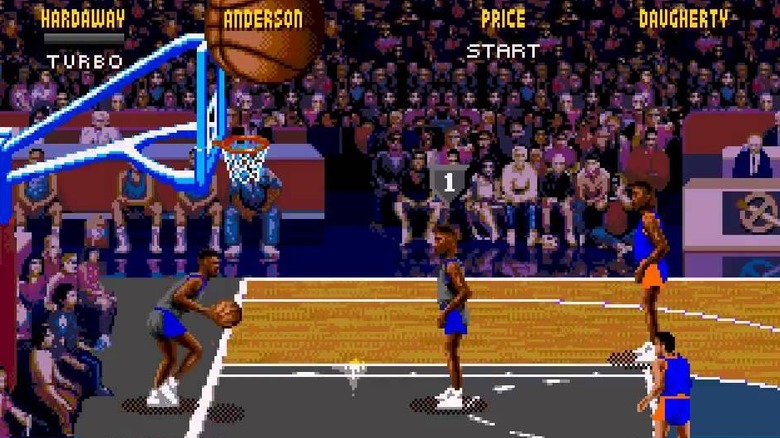
One of the most prominent sports game franchises of the mid-'90s was "NBA Jam," which launched in arcades in 1993. The game was ported to home platforms, including the Genesis, the following year, retaining a lot of the arcade experience's appeal. The game also received a full update in 1994, under the title "NBA Jam: Tournament Edition," which arrived for home platforms in early 1995. While retaining the 2v2 gameplay, the updated version let players swap out athletes between periods and added a five-person rookie team.
"NBA Jam: Tournament Edition" not only holds up, but is the definitive title in the entire '90s sports game series. The added mechanic of being able to swap out players gives the gameplay more depth and improved handling overall. The Genesis port faithfully recreates the arcade experience, including its fan-favorite announcer giving live commentary to every match-up. One of the best sports games ever made, "NBA Jam: Tournament Edition" appeals to both hardcore and casual basketball fans alike.