
5 Arcade Games From 1993 That Still Hold Up Today
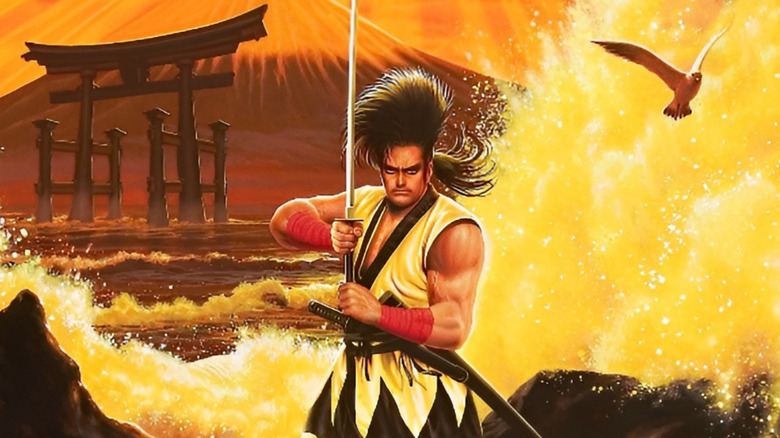
The '90s really marked the last ride for arcade games, at least in terms of their commercial and popular ubiquity in the gaming industry in North America. Everything from sports and fighting games to racers and shooters got major releases throughout the decade. 1993 was a particularly interesting year for arcade games, with the debut of new, enduring series and major follow-ups to established franchises. Many of these games went on to set the foundation for some of the best '90s arcade games of all time.
That said, more than just being influential in their own right, there are a number of 1993 arcade games that retain their appeal. Even beyond the quality of nostalgia, these titles still offer a lot of fun to modern gamers. We're taking a look at some of the standouts, with many of these games iconic and continuously enjoyable in their own way. These are five arcade games from 1993 that still hold up today, all worth playing decades after their initial release.
NBA Jam
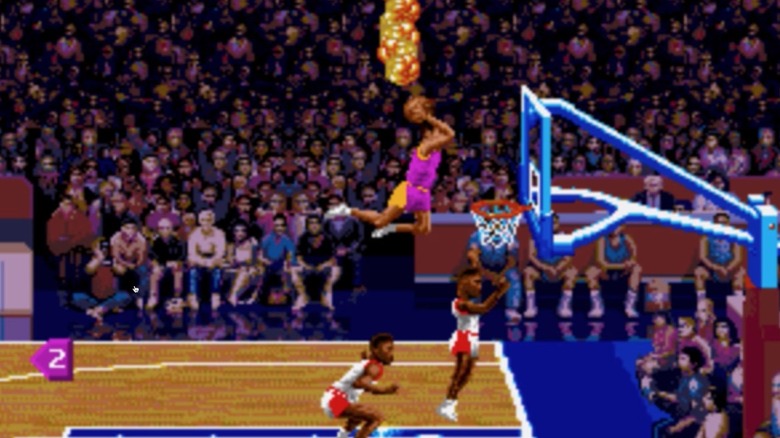
When it comes to arcade sports games, "NBA Jam" sets an extraordinarily high bar for the genre overall. The original game in the hit basketball series launched in April 1993, with players getting two players from every NBA team active at the time. Participating in 2v2 basketball games, the gameplay is fast-paced and loose, often defying the laws of physics to keep the experience exciting. Elevating the proceedings further is announcer Tim Kitzrow, memorably shouting phrases like "Boom-Shaka-Laka" and "He's on fire!" as part of his colorful commentary.
"NBA Jam" is one of those games that defined the '90s, regardless of platform or genre, and it's perfectly accessible to even the most casual basketball fans. The game received updates as early as the following year, but there's still a certain charm about that original version that defines the series. That extends to the game's home console ports, including a Sega Genesis title that still endures. Professional basketball was king in the '90s, and "NBA Jam" helped extend that ubiquitous sense of cool to gaming.
Samurai Shodown
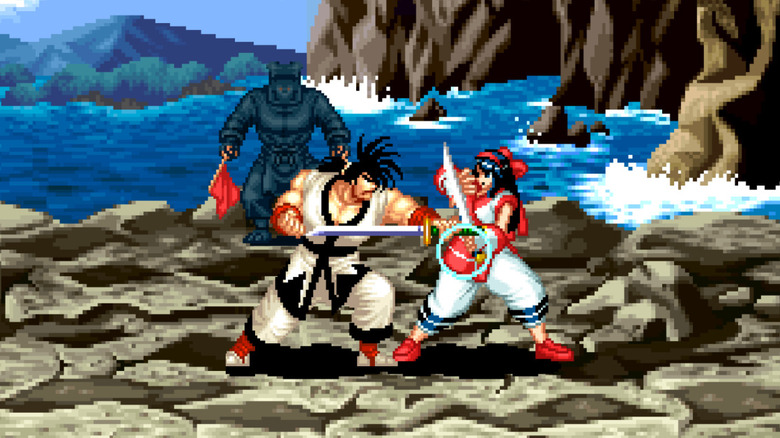
SNK made a number of '90s arcade games that were more popular outside the U.S., including "Fatal Fury" and "The King of Fighters." Among these prolific series was "Samurai Shodown," which started in July 1993 and took on a bloodier edge than other SNK titles. Set in feudal Japan in the late 18th century, the game offers players a choice in a number of distinct playable characters, including samurai, ninjas, and visiting outsiders. Focusing on weapon-based combat, the game put a greater focus on landing heavier hits and finishing moves than stringing together combos.
"Samurai Shodown" is one of the most enduring SNK properties, releasing titles as recently as 2019, while most of its classic games remain available on modern platforms. The original game introduced the core concepts and sensibilities that the franchise still carries on today, along with its robust cast of characters. In a genre where competing series tried to go faster and faster with their combat, "Samurai Shodown" slowed things down to illustrate each blow's impact. A standout fighting game as the industry became increasingly full of them, "Samurai Shodown" is another genre winner from SNK.
Super Street Fighter II
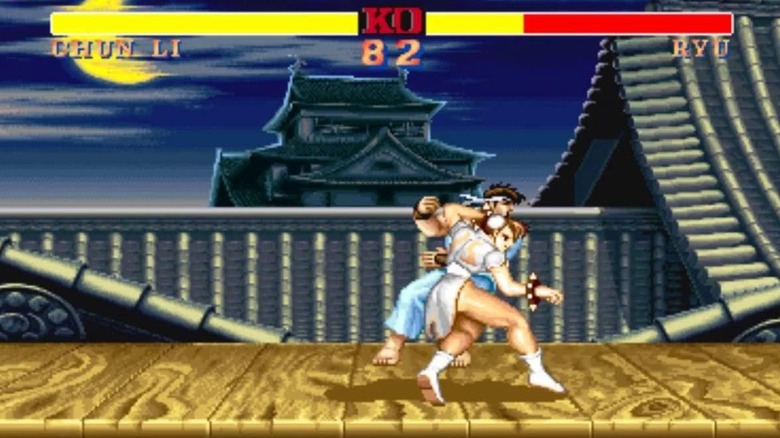
"Street Fighter II: The World Warrior" catapulted the fighting game genre to blockbuster heights when it debuted in arcades in 1991. The game received several updated versions following this, but one of the most substantial was "Super Street Fighter II," which launched in arcades in September 1993. The update retains the original story from "Street Fighter II" but with the addition of four new playable characters: Cammy, Dee Jay, Fei Long, and Thunder Hawk. The game utilizes more advanced hardware than preceding versions of the title, with more detailed and fluidly animated sprites and backgrounds.
While it doesn't quite boast the same combat speed as the preceding version, "Street Fighter II: Hyper Fighting," "Super Street Fighter II" has its own charm and innovations. This includes the introduction of Cammy, who has become one of the most beloved characters in the entire franchise. The enhanced art style gave the presentation a more vibrant display compared to its initial versions, while the gameplay featured a greater emphasis on linking combos. A crucial chapter in the stunning transformation of "Street Fighter," "Super Street Fighter II" is a significant revamp of the classic.
Ridge Racer
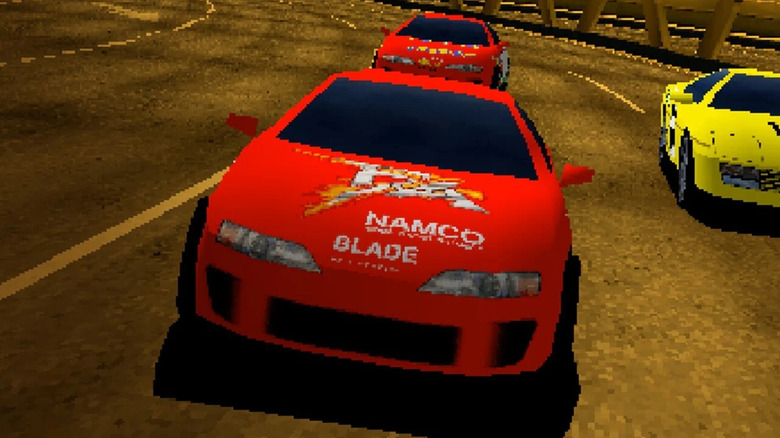
While Sega brought revolutionary 3D racing to arcades the preceding year with "Virtua Racing," Namco had a series of its own with "Ridge Racer" starting in October 1993. Players choose which configuration of track, based on difficulty levels, and accompanying music they want for each race, along with their car's transmission. Like "Virtua Racing," the original arcade version of the game also limits vehicle choice to a single red car. The game also offers a time trial mode, for players just looking to post the best track completion times.
"Ridge Racer" is another classic '90s racing game that formed the foundation of 3D gaming, including improved textured mapping compared to its contemporaries. The subsequent updates and home console ports increased the scope considerably, adding more vehicles for players to choose from. But the original arcade game keeps its fun straightforward and down to business, putting players right in the action. The start of a successful series, the original "Ridge Racer" elevated what was possible for racing games at the time.
Mortal Kombat II
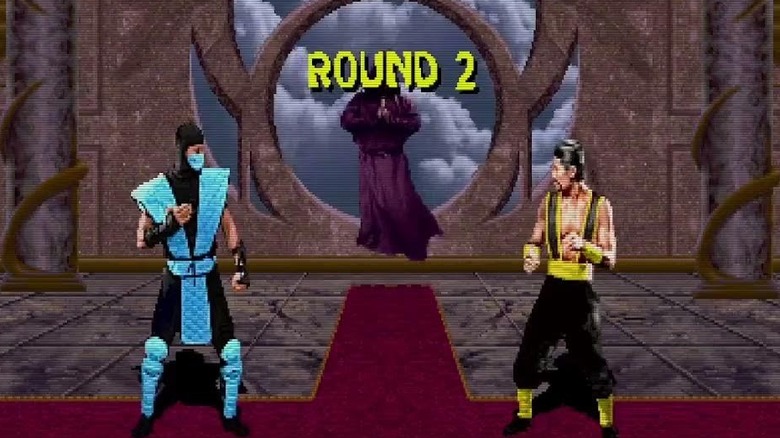
Though the original "Mortal Kombat" stands among the most controversial retro games of all time, it was also incredibly successful, to the point where a sequel was fast-tracked. Released 15 months after its predecessor, "Mortal Kombat II" ambitiously expanded not just the playable roster but the entire "Mortal Kombat" mythology. Whereas the first game took place in Earthrealm, its sequel takes place in the dark fantasy realm of Outworld, something reflected in its more sinister level designs. In addition to bringing back most of the playable characters from the original game, the sequel adds five new fighters to the mix.
"Mortal Kombat II" is a prime example of a sequel going bigger, better, and meaner than its predecessor. The gameplay feels significantly expanded upon from the first game, fueled by its considerably larger roster of characters. Similarly the gameplay runs more quickly and intuitively, while offering a greater amount of variety and doubling down on its notorious finishing moves. The moment when the franchise truly found its identity, heightened fantasy elements and all, "Mortal Kombat II" remains a high point for the series.