
5 Classic PS1 Games That Deserve Modern Remakes
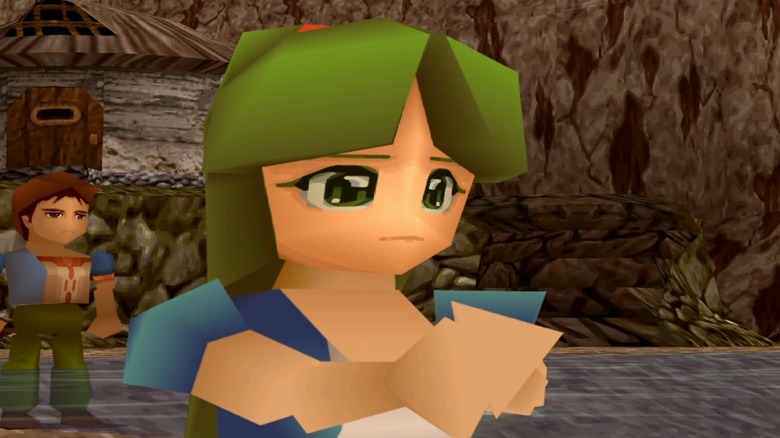
The mid-1990s were a revolutionary time for video games. While gaming had dabbled with 3D graphics in the past, the launch of consoles like the Sony PlayStation, Nintendo 64, and Sega Saturn marked the moment where big-budget games absolutely had to be in 3D.
Sure, there are plenty of Super Nintendo games that hold up well today, but audiences wanted 3D graphics, and PlayStation delivered. Classic games like "Metal Gear Solid," "Crash Bandicoot," and "Tekken" were groundbreaking with their 3D visuals and gameplay advances that pushed beyond what could be imagined back in the days of the Super Nintendo or Sega Genesis.
Video game enthusiasts of a certain age have fond memories of the PlayStation era, but they also have less-than-fond memories of warped textures, long loading times, iffy framerates, and oftentimes dreadful camera controls. To that end, many games from the PS1 era have been remade with modern sensibilities in mind. "Metal Gear Solid" and "Resident Evil" both got remakes for GameCube, and titles like "MediEvil," "Spyro the Dragon," and even "Croc" have gotten the remake treatment in recent years. Surely there will be more PlayStation remakes to come. If it were up to me, these five games would be the first to get the full 4K, 120FPS treatment on PlayStation 5 Pro. Here are five PlayStation classics that deserve modern remakes.
Syphon Filter
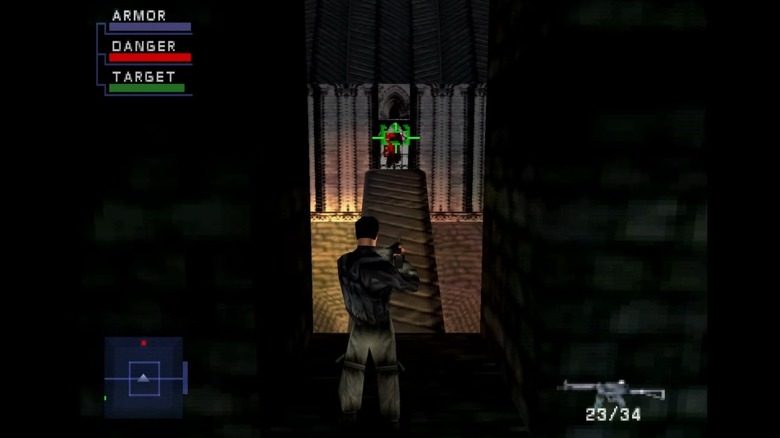
After cutting their teeth on the ill-fated "Bubsy 3D," developer Eidetic, which would later be rebranded as Bend Studio, tried their hand at a third-person shooter with a Tom Clancy-esque spy story. "Syphon Filter" tells the story of Gabe Logan, Lian Xing, and their allies in The Agency who find themselves embroiled in an international conspiracy involving a new bio-terror weapon, the titular Syphon Filter.
While some dismissed the game as a "Metal Gear Solid" knock-off, such comparisons were misleading, as "Syphon Filter" had a very different style than Konami's stealth spy game. "Syphon Filter" offered a mixture of lock-on aiming with precision shooting, and a more grounded story led to the game feeling completely unique.
"Syphon Filter" was written by John Garvin, who led the Bend team through a whole PS1 trilogy, an online co-op multiplayer PS2 title that was ahead of its time for better and for worse, and a pair of PSP games that ended on one heck of a cliffhanger. Bend Studio hasn't shipped a game since 2019's "Days Gone," but here's hoping "Syphon Filter" makes a comeback before too long. I'd prefer a new game, but with remakes en vogue right now and "Syphon Filter" all but unknown to younger players, perhaps a remake of the original trilogy would be the best way to remind the world why "Syphon Filter" was one of original PlayStation's most beloved franchises.
Bushido Blade
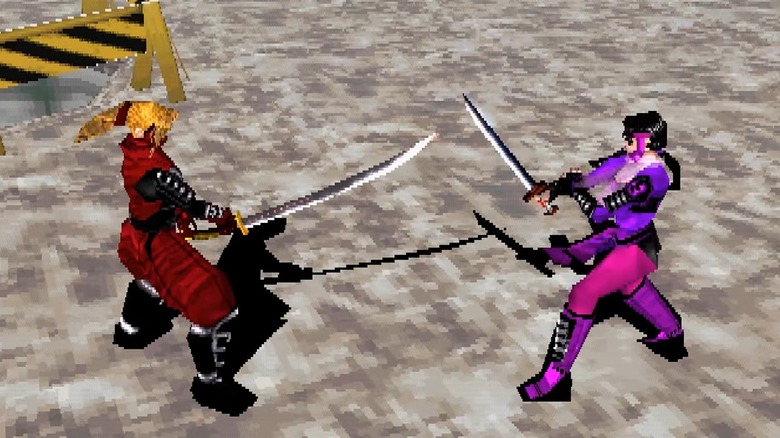
Between "Tekken," "Mortal Kombat," "Street Fighter," "Battle Arena Toshinden," and "Ehrgeiz: God Bless the Ring," there was no shortage of one-on-one fighters for PlayStation. While each of those games had their unique features and gimmicks, they all had the same basic idea of putting two combatants in the ring with the goal being to deplete the other player's life bar.
By contrast, 1997's "Bushido Blade," developed by Lightweight and published by Squaresoft, doesn't have life bars. This one-on-one fighter pits blade-wielding combatants against each other and aims for old-school samurai movie hyper-realism. All it takes is one solid hit to win. Catch an opponent on the arm and they won't be able to swing their sword due to the injury. You can even cut an opponent's legs to force them to literally crawl around the battlefield.
Simply put, there's nothing else like "Bushido Blade." Well, except for its 1998 sequel, "Bushido Blade 2." There was a PS2 follow-up, "Kengo: Master of Bushido," made by the same developer, but it just wasn't the same. If "Bushido Blade" were ported to modern systems with nothing but a visual upgrade, it would still feel wholly unique and unlike anything else on the market. It's not a mainstream game that everyone will immediately understand, but once the game clicks with you, it will become your whole personality.
Brave Fencer Musashi
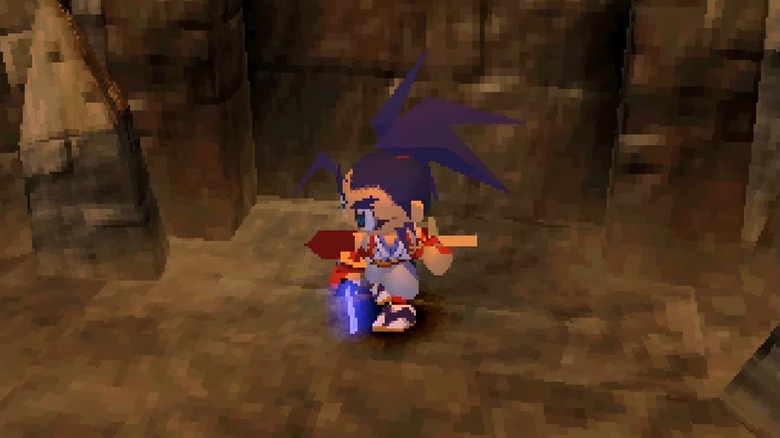
While "Final Fantasy" defined Squaresoft's output on the original PlayStation, the publisher released many games for the console, including RPG titles like "Threads of Fate," "Chrono Cross," "Xenogears," "Vagrant Story," and the game we're talking about in this entry, "Brave Fencer Musashi."
This charming little title puts players in the shoes of Musashi, samurai of legend, as he's summoned to another dimension to protect the Allucaneet Kingdom from the Thirstquencher Empire. Is anyone else suddenly hungry? Anyway, the game features real-time action/adventure combat and platforming with RPG elements and a full day/night cycle. One of Musashi's swords, 'Fusion,' can absorb enemy skills, which spices up the combat. Throw in some obtuse puzzles, the solutions to which you WILL need to look up online, and the result is a reminder of why Squaresoft was firing on all cylinders back in the PS1 days.
"Brave Fencer Musashi" was followed by a PS2 sequel, "Musashi: Samurai Legend," which is even more obscure than the original. Both games, but particularly the PS1 original, would benefit greatly from a modern remake. It would make for the perfect opportunity to sand down the tough difficulty spikes and give a little guidance on the more complex puzzles. "Musashi" was always a plucky underdog series compared to "Final Fantasy," but they say every dog has his day. So why not today?
Driver
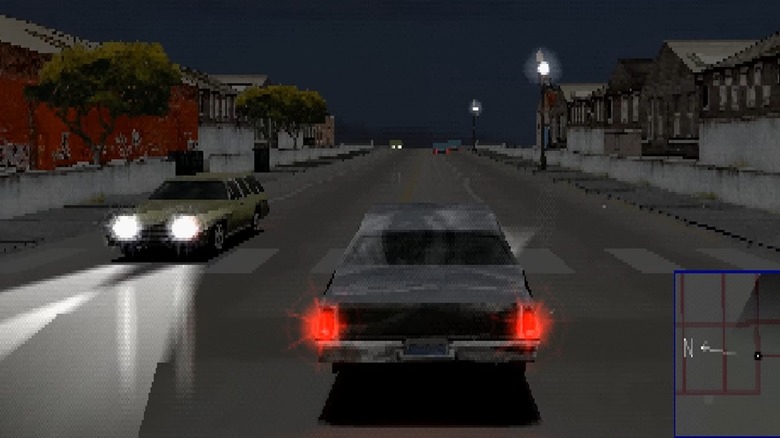
Released in 1999, "Driver" put players in the shoes of John Tanner, an undercover cop and skilled driver. The game is inspired by car chase films of the 1960s and 1970s like "Bullitt" and "The Driver" and features gameplay that's far more simulator-like than arcade-like. Think "Gran Turismo" if it was about car chases on city streets.
"Driver" was blisteringly difficult, but endlessly rewarding to those who put in the effort to master its systems. The game was followed by a 2000 sequel, "Driver 2," which allowed Tanner to step out of the car and run around to commandeer new vehicles. However, after the transformation of "Grand Theft Auto III" from a top-down arcade sandbox into a full-on 3D crime epic in 2001, "Driver" tried to pivot to copy its runaway success. The result was the infamously panned "Driver 3," and the series never fully recovered.
To date, the last proper game in the series was 2011's "Driver: San Francisco." I'd like to believe Tanner could return at any time. "Driver: San Francisco" pretty much wrapped up the story and felt like a definitive enough ending for the series. If they're going to bring it back, it should be in the form of a remake of the original. That way, they can focus squarely on crafting crazy car chases instead of trying to copy "Grand Theft Auto."
Legend of Legaia
In the realm of PlayStation RPGs, Squaresoft wasn't the only company producing groundbreaking titles. "Wild Arms," "The Legend of Dragoon," "Grandia," and "Star Ocean" were all notable JRPGs that didn't hail from Square, and they're all great, but the final spot on this list belongs to "Legend of Legaia," published by Sony and released in 1998.
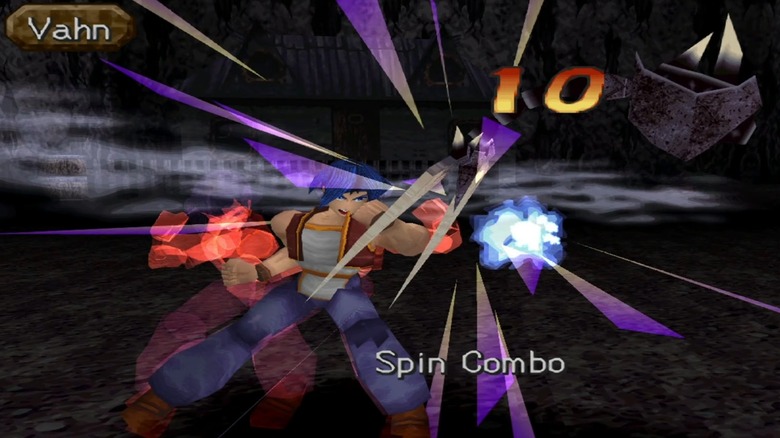
At the time, "Legaia" was praised for its innovative battle system, which saw characters string attack commands together in order to build combos for maximum damage. To this day, there's nothing else in the RPG space that plays like "Legend of Legaia." Well, except for the PS2 sequel, 2001's "Legaia 2: Duel Saga." But where "Legend of Legaia" really asserted itself was with its characters and story, which saw a trio of heroes venture across the land in an effort to save the world from The Mist. At every step, "Legaia" subtly deconstructs genre tropes and subverts audience expectations to create a fleshed-out and memorable experience.
"Legend of Legaia" was a visual knock-out in its time. While "Final Fantasy" utilized 2D backgrounds, the world of "Legaia" was rendered entirely with 3D polygons, allowing for more dynamic camera movement during story sequences. Likewise, during battles, every piece of armor and weaponry was reflected on the player models. There aren't many games nowadays that pay such close attention to detail. It's also worth mentioning that "Legaia" is notoriously difficult to emulate and unavailable on modern platforms. It's practically unplayable if you don't have the original disk on original hardware. A remake could make "Legend of Legaia" hip and new all over again. Thanks to the success of "Expedition 33," turn-based RPGs are hot again, so a new version of "Legend of Legaia" could help turn RPGs back into a full on trend.