
5 GameCube Games That Still Hold Up Today
In 2001, Nintendo launched the GameCube, their follow-up console to the Nintendo 64, in an attempt to compete with Sony's PlayStation 2, which had launched the previous year. To this day, many Nintendo enthusiasts have fond memories of the GameCube, but that didn't translate to contemporary success. The PlayStation 2 held such a massive lead that the GameCube and Xbox were stuck fighting for second place. In the end, the GameCube only managed to sell 21.74 million units worldwide, a far cry from the PS2's 160 million units.
Nevertheless, the GameCube was nothing if not memorable. Its small size and carrying handle made it great for friends to bring their console to parties, the controller had a unique but comfortable shape, and the tiny DVD-adjacent disks helped set the console apart from its peers.
Of course, the most important thing for the long-term success of any console is its library of games. This is why, 25 years later, the GameCube remains beloved by its fans. The system had a swell mix of first party games like "Super Smash Bros Melee," "Super Mario Sunshine," and "Wario World," as well as third-party classics that usually featured better graphics and slicker framerates on GameCube than on PS2. Let's take a look at five fantastic GameCube games that still hold up today.
Pikmin
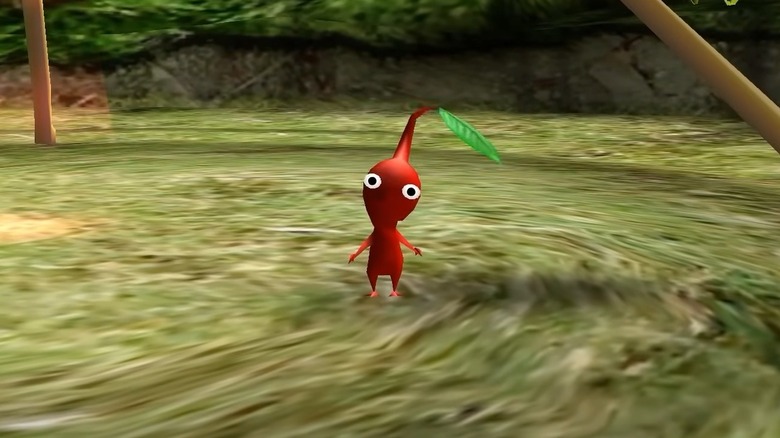
Simply put, there is nothing else like the original "Pikmin." Players take control of Captain Olimar, a spaceman who crash-lands on a mysterious planet populated by adorable-but-ferocious monsters that will kill and eat him in the cutest way possible. Olimar isn't a fighter, but he quickly makes friends with the eponymous Pikmin, a race of plant-creatures who can protect, defend, attack, and help Olimar to solve puzzles and find the scattered parts of his broken spaceship. However, Olimar only has 30 days to complete his quest and escape the mysterious planet, or else he will die.
"Pikmin" is a whimsical spectacle that combines visual storytelling with cerebral gameplay and a constant pressure to perform, lest the timer run out. The game is simple, but with a high difficulty ceiling. There are only three Pikmin types: Reds are immune to fire damage, Yellow Pikmin are safe against electricity, and Blue Pikmin are the only type that can survive underwater. Whether you're hunting monsters, searching for parts, or just building a veritable army of Pik-Minions, you always feel like you're building towards something.
While there have been numerous sequels that improve and complicate the gameplay in various ways, the original "Pikmin" is still my favorite. "Pikmin 2" is bogged down by RNG-beholden challenge dungeons and the other sequels move a bit too far away from the core concept of being stranded and fighting for survival, but they're all excellent games, especially the latest entry, "Pikmin 4." In the end, the original is not just the best "Pikmin" title, but one of the greatest games of all time.
Super Monkey Ball 2
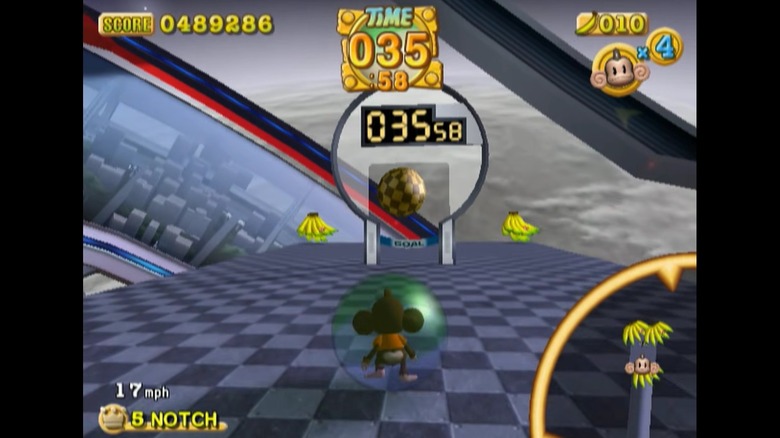
Before he established the "Yakuza/Like a Dragon" series, Toshihiro Nagoshi's biggest hit with Sega was with the early "Super Monkey Ball" games. Particularly his second title, released in 2002 as a GameCube exclusive.
"Super Monkey Ball 2" is a game of two halves. First, there's the main game, which has you control the monkeys in their balls (or rather, the stages on which they roll) to try and guide them to the goal. It seems simple, like an old-timey pre-pinball arcade game, but the stages become tremendously difficult as the game goes on. Throw in a score-attack mode and a strict time limit, and the story mode of "Super Monkey Ball 2" is one of the most harrowing, delightful, rewarding, and intense gameplay experiences around, especially with friends and family huddled around the TV, heckling and jeering at every play.
Speaking of huddling around the TV, the other half of "Super Monkey Ball 2" can be found in its party mode, a collection of four-player minigames that run the gamut from an arcade shooter to a full-on billiards simulator. If you've got a good group of pals, you can have fun all night with this mode. "Super Monkey Ball 2" was remade as part of "Super Monkey Ball Banana Mania," but the physics changes brought by the change to the Unity Engine made the game less fun overall. If you want a true "Super Monkey Ball 2" experience, it can only be found on the GameCube.
Eternal Darkness
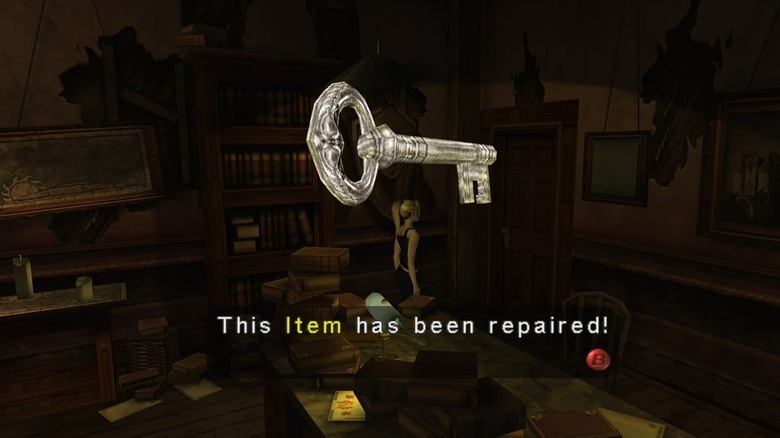
Before they crashed and burned with high-profile flops like "Too Human" and "X-Men: Destiny," developer Silicon Knights had a big hit on the GameCube with "Eternal Darkness: Sanity's Requiem," a bold and refreshing take on the survival horror genre. At the time, nearly all horror games took their inspiration from some combination of "Silent Hill" and "Resident Evil," but 2002's "Eternal Darkness" took a different approach.
While the game had more than its fair share of combat and exploration, the real hook was in its 'sanity' system. While fighting enemies, the characters' mental state would deteriorate, causing them to hallucinate. At first, these delusions would be innocent and unobtrusive, save for some mild unease and discontent, but eventually they would break the fourth wall, messing with the player's controller, making it look like all of their save games were erased, or other far out shenanigans that truly made you feel like anything could happen.
However, as the first-ever M-rated game published by Nintendo on their cutesy purple game console, "Eternal Darkness," much like the "Resident Evil" remake from the same year, failed to find an audience during its initial release. It was critically acclaimed, but that didn't translate into strong sales, which is likely why a sequel never materialized. The "Eternal Darkness" fandom may be small, but it is loyal and passionate even today, and that's what really matters.
Luigi's Mansion
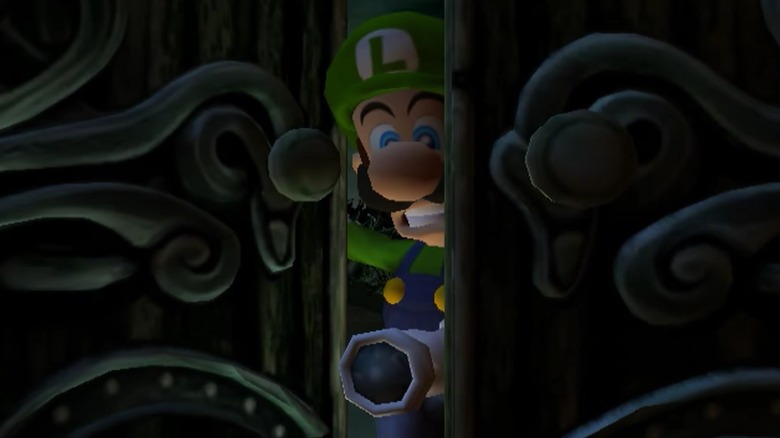
Traditionally, new Nintendo systems launched with a new Super Mario game. The American release of the NES had "Super Mario Bros," the SNES launched alongside "Super Mario World," and the N64 had "Super Mario 64." For the GameCube, however, Nintendo tried something controversial: a game starring Mario's brother, Luigi.
"Luigi's Mansion" was criticized by some fans because of what it wasn't: a 3D platforming Mario game. But for those willing to take a chance, they found a lot to love with what it was: a cross between classic Mario ghost house aesthetics and gameplay inspired by "Resident Evil" and "Ghostbusters." In "Luigi's Mansion," you play as Luigi, who has to cleanse the titular mansion of spooky spirits using a ghost-capturing device that looks suspiciously like a vacuum cleaner.
The game was a hit, but not to the level of a "Super Mario 64," though its fans appreciate how it chose to go in a completely different direction, with slower gameplay, a focus on family-friendly horror-comedy, and exploration unlike anything seen in a Mario game before. A 3DS sequel followed in 2013, as well as "Luigi's Mansion 3" for Nintendo Switch in 2019. As for the original, you can currently play it as a Nintendo GameCube Classic on Switch 2. There's also a "Luigi's Mansion" arcade game, but few have even heard of that one, much less actually played it.
The Legend of Zelda: The Wind Waker
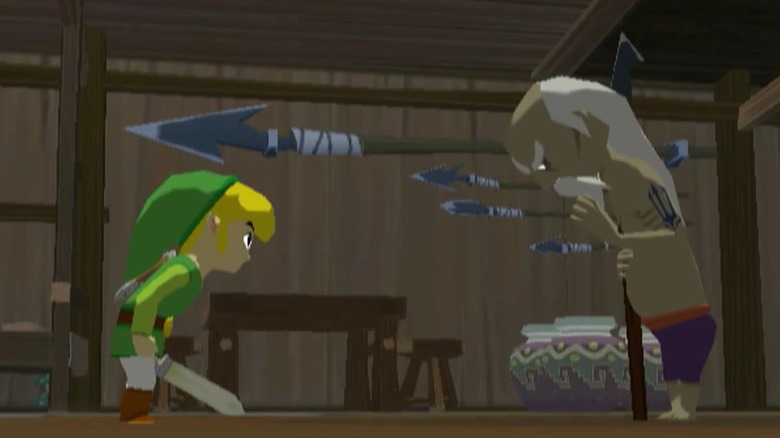
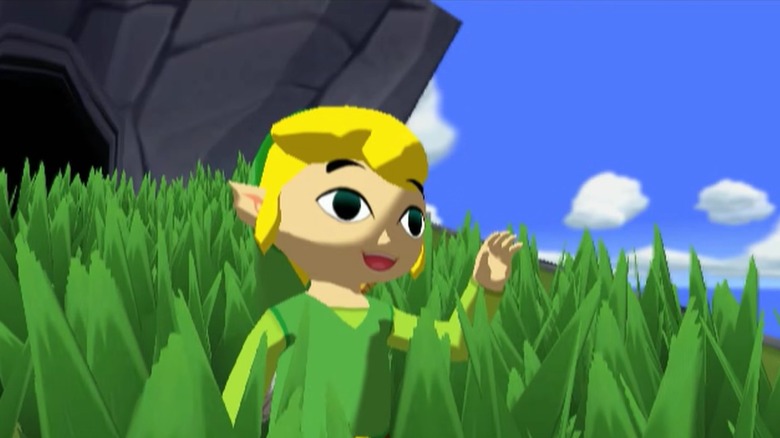
In the fandom of "The Legend of Zelda," there are two types of people: "Wind Waker" people and "Twilight Princess" people. There are a million variables as to why somebody would prefer one game over the other, but I have to give the edge to 2002's "The Legend of Zelda: The Wind Waker." The art style is timeless and beautiful, and pairs nicely with a surprisingly dark story about a world pushed to the brink of destruction by massive flooding, with survivors existing in small pockets of civilization built atop mountaintops at the new sea level.
Whereas "Majora's Mask" was more of a far-out expansion/spin-off of "Ocarina of Time," "The Legend of Zelda: The Wind Waker" felt like a true sequel, though its cel-shaded cartoon art-style put off some players who felt like the new game was made for babies instead of the edgy teens of the Hot Topic generation. If you're a true Zelda fan, you remember the whole 'Celda' controversy.
"The Wind Waker" was remade for the Wii U in 2013. The visuals were improved, thanks to the stunning light bloom effects made capable by next-gen hardware, though some fans prefer the sharper, more angular look of the GameCube original. Likewise, the remake made some changes to the gameplay, speeding up the boat for quicker navigation and streamlining parts of the late-game to make things flow a bit more quickly. It's up to personal preference whether these changes ultimately help or hurt the game, but one thing is for sure: any way you cut it, "The Legend of Zelda: The Wind Waker" is an all-time classic.