
5 Best Video Games Like Tekken
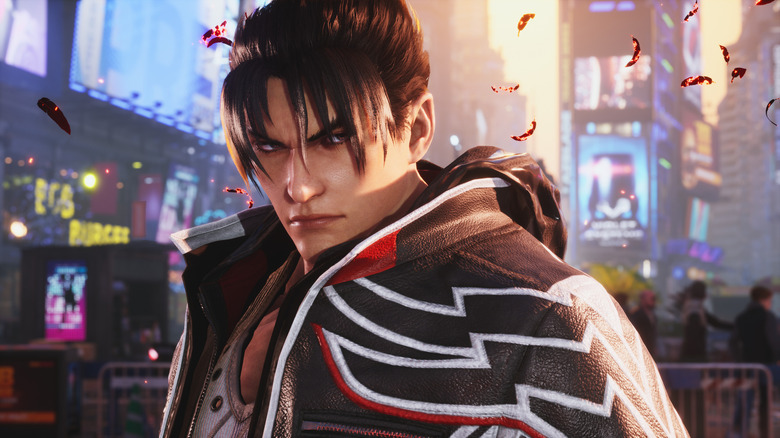
Debuting in 1994, "Tekken" has since become a classic video game franchise, especially in the fighting game community. Helping to popularize 3D fighting games, the original "Tekken" trilogy was ported to the PlayStation where its entries ranked among the best PS1 games of all time. Boasting a robust cast of characters, the series primarily revolves around the powerful Mishima family while fighters battle for the fate of the world. Over 30 years later, the "Tekken" series has become multiplatform and continues to thrive, growing beyond its roots as one of the best arcade fighting games ever made.
For those who are tapped out on "Tekken 8," there are plenty of other fighting games to check out next. In keeping with the Bandai Namco franchise's presentation and mechanics, the games we're listing here are other 3D fighting game series. Many of these properties ran alongside "Tekken" in its early days, delivering hard-hitting action and memorable playable characters. Here are the five best video games like "Tekken," each offering their own distinct 3D fighting game thrills.
Virtua Fighter 5
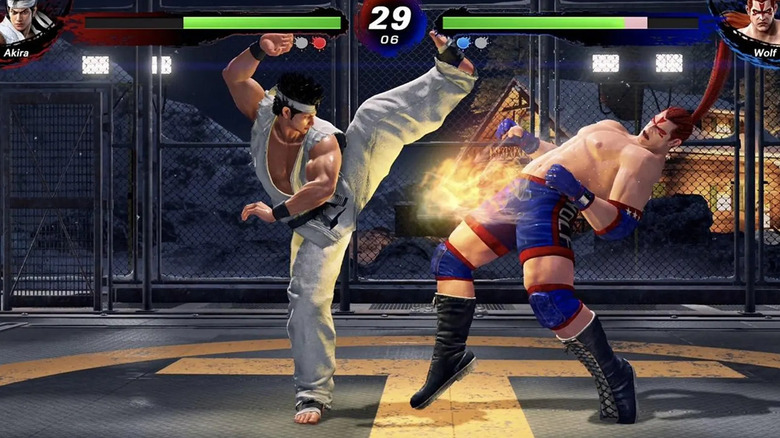
Before "Tekken," it was Sega's "Virtua Fighter" series that effectively brought 3D fighting to the masses. The 1993 title was the first arcade fighter that utilized polygonal models in contrast to the 2D fighters of its era. While the mechanics were flighty at first, the series continued even as Sega left the console market after the Dreamcast completely failed. The best entry in the series to date is "Virtua Fighter 5," which debuted in 2006 and has undergone numerous updates for modern platforms.
"Virtua Fighter" has always placed a greater emphasis on conventional martial arts compared to its more fantastical contemporaries. This sensibility carries over to "Virtua Fighter 5," which its updates have refined considerably to make the mechanics more fluid and responsive than ever. This makes the game's crucial sense of combat timing all the more rewarding as players plan their defense and counterattacks accordingly. If you want a retro experience like early "Tekken" titles, play the original "Virtua Fighter" games; otherwise, stick with "Virtua Fighter 5" for something in line with modern "Tekken" releases.
Street Fighter EX3
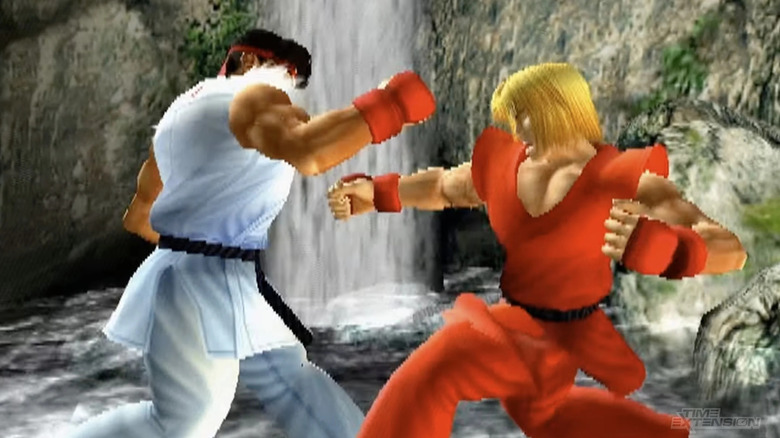
Even the venerable "Street Fighter" franchise took cues from 3D titles that were beginning to fill up the market. Working with the outside developer Arika, Capcom published the "Street Fighter EX" spin-off trilogy starting in 1996. The third and final entry in this short sub-series is its best, with 2000's "Street Fighter EX3" serving as the culmination of its gameplay and presentation. A launch title for the PlayStation 2, the game has most of the classic "Street Fighter II" characters sparring with original fighters like Skullomania and Cracker Jack.
It's a shame that "Street Fighter" hasn't explored more 3D fighting gameplay after the "EX" trilogy, because those titles are underrated in their own right. While "Street Fighter EX3" isn't a huge leap forward in its technical presentation, it does feature tag-team fighting modes. This, along with its expanded playable roster, makes the sequel well worth checking out as the ultimate realization of the series in the 3D space. An interesting step in the stunning transformation of "Street Fighter," the "EX" trilogy deserves its own re-release.
Dead or Alive 5 Last Round
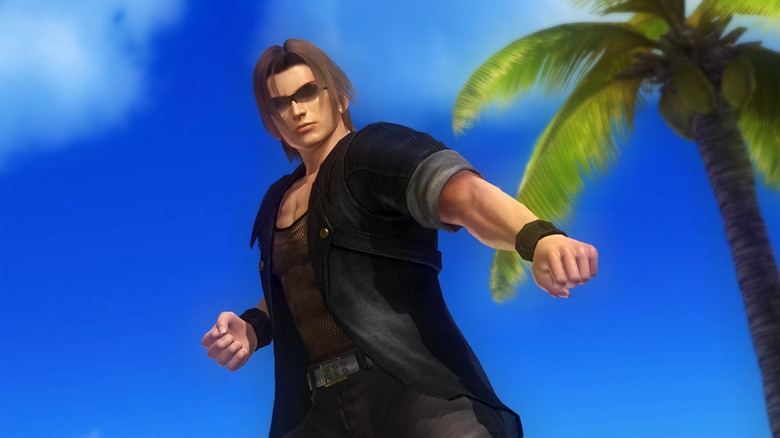
While the "Dead or Alive" franchise may live in infamy due to its beach volleyball spin-off series, the mainline series remains an accessible 3D fighting game experience. After launching in 1996, the series has been a fixture on virtually every subsequent platform, though its arguable peak is "Dead or Alive 5." Originally released in 2012, the game received several updates culminating in 2015's "Dead or Alive 5 Last Round," upgrading it for the PlayStation 4 and Xbox One.
More than just significantly improving upon the technical presentation, "Last Round" brought in two additional fighters and rebalanced the gameplay. This makes the overall experience much more accessible, especially compared to its notoriously difficult predecessor on the Xbox 360. But more than just mitigating frustration, the upgraded gameplay brings a real impact to the combat and its over-the-top action. Showcasing the core appeal of the series, "Dead or Alive 5 Last Round" provides a great starting point for new players and rewarding time for longtime fans.
Project Justice: Rival Schools 2
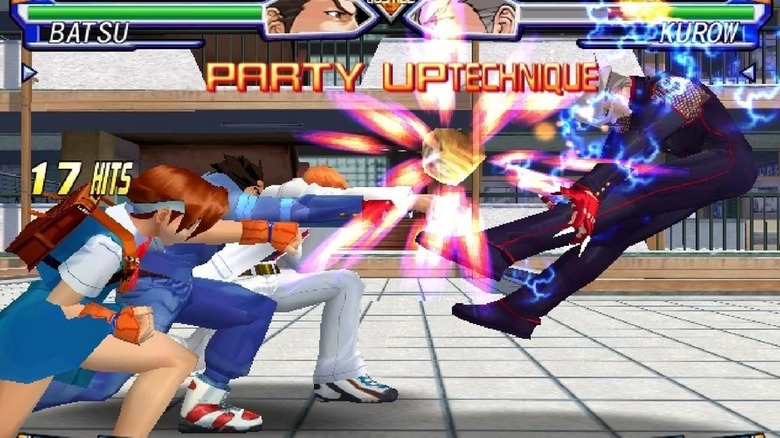
Aside from the "Street Fighter EX" trilogy, Capcom experimented further with 3D fighting games in the late '90s and early 2000s with other properties. This includes 1997's "Rival Schools" and its 2000 sequel "Project Justice: Rival Schools 2," upping the tag-team scope to 3v3 fights. The increase in scope adds more tag-fighting mechanics, including combos that bring all three teammates in for a devastating attack. The game's story has the cast from the preceding title, along with several new fighters, drawn into a scheme that leaves the fate of Japan hanging in the balance.
"Project Justice: Rival Schools 2" is on par with the early "Tekken" games in terms of presentation and gameplay. The game feels much more ambitious than its predecessor, with its three-person team mechanics, multiple endings for each team in the campaign, and smoother 3D combat overall. For fans who missed it the first time around, the arcade version of the game was included as part of the 2025 compilation "Capcom Fighting Collection 2." Capcom hasn't ventured much into the 3D fighting game area since, but after "Project Justice: Rival Schools 2," we wish they would.
Soulcalibur II
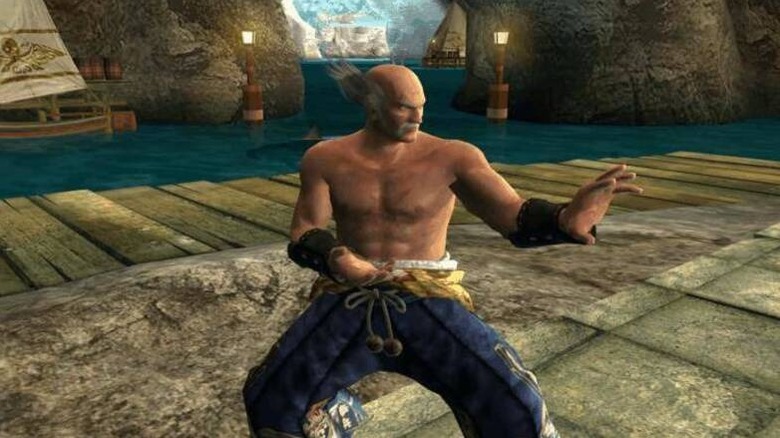
Bandai Namco's other big 3D fighting series is "Soulcalibur," which started with 1995's "Soul Edge" before rebranding itself for subsequent installments. The game brings together fighters from across history while featuring melee weapon-based combat instead of fisticuffs. The pinnacle of the series is 2002's "Soulcalibur II," which started bringing guest fighters into the franchise. The GameCube version famously added Link from "The Legend of Zelda," the Xbox version had Spawn for some reason, and the PS2 iteration brought in, well, Heihachi Mishima from "Tekken."
With its robust roster and visuals that still hold up nearly 25 years later, "Soulcalibur II" is still the bar against which its sequels will be judged. The combat feels smoother and intuitive while the amount of features in the game keep players coming back for more. And it's hard to write a list of games like "Tekken" without mentioning the one that brings in one of the series' biggest antagonists. "Soulcalibur II" reminded fans that Bandai Namco dominated the 3D fighting game scene in the 2000s, improving upon past entries to truly create something special.