
'80s Video Games With Soundtracks Better Than Modern Titles
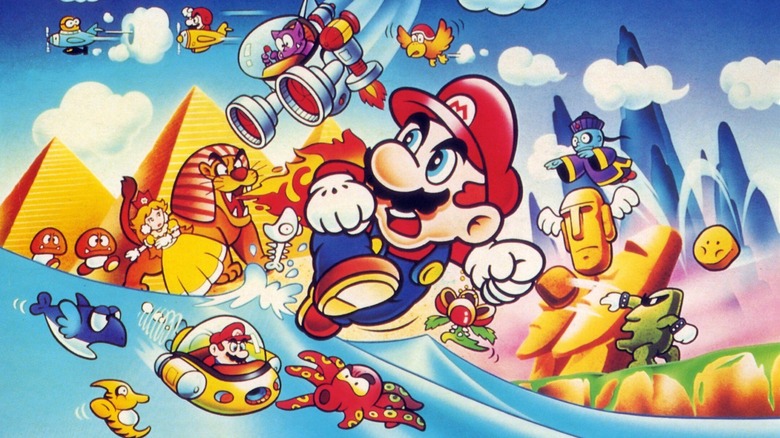
Video game soundtracks have come a long way since the medium's earliest days in the '70s and '80s. From more ambient and atmospheric melodies to jubilant jingles at the end of every level, music has elevated the overall gaming experience. Game soundtracks have also evolved with the times, embracing the possibilities of increasingly more powerful hardware in developing accompanying sonic landscapes. But even as great as modern games with sweeping orchestral scores and pulsating techno tunes are, there's something about '80s game music that remains compelling.
More than just forming the foundation for all video game music to follow, '80s game soundtracks stand the test of time and perfectly complement the titles they're associated with. Indeed, it's hard to imagine the games on this list without the music that helped cement themselves into the medium's iconography. Even without the technological advances available on modern gaming platforms, it's remarkable how these composers captured so much enduringly emotional appeal with the hardware that they had at the time. Here are '80s games with soundtracks better than modern titles, with the music alone more than worth the price of admission.
The Legend of Zelda
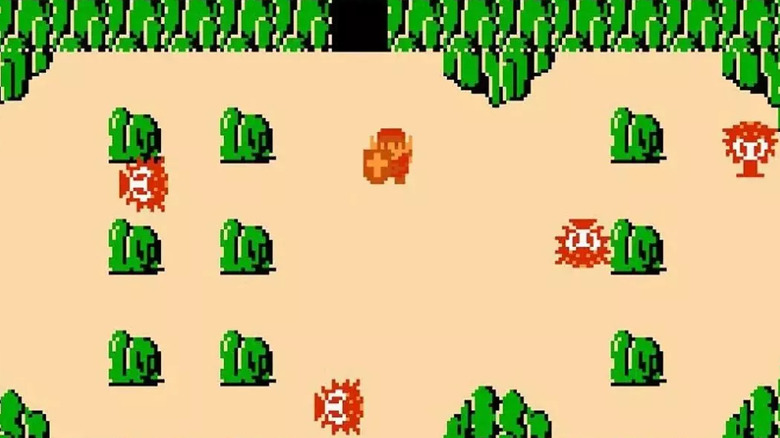
One of the most celebrated and prolific composers to work at Nintendo is Koji Kondo, who composed many of the company's most memorable melodies. This includes many titles within Nintendo's iconic fantasy franchise "The Legend of Zelda," as early as the original 1986 Nintendo Entertainment System game. From the moment Link arms himself and leaves a cave to start his grand quest to save Hyrule from Ganon, Kondo's rousing soundtrack sets the tone. This continues whenever Link delves inside a dungeon to recover pieces of the Triforce, with the music shifting to a more haunting melody as Link confronts monstrous enemies.
Koji Kondo has made music history with his compositions for "Super Mario Bros.," but there's just something about "The Legend of Zelda" that sounds a bit better. Whereas the musical stylings of "Mario" often change dramatically with each title — more on that later — "Zelda" always looks back to that original 1986 game. The main overworld theme has a sweeping regality to it and is as intricate as any melody Kondo devised for the NES. As fantasy games began proliferating in the industry in the '80s, Koji Kondo wrote a score that no other game in the genre has been able to touch.
Mega Man 2
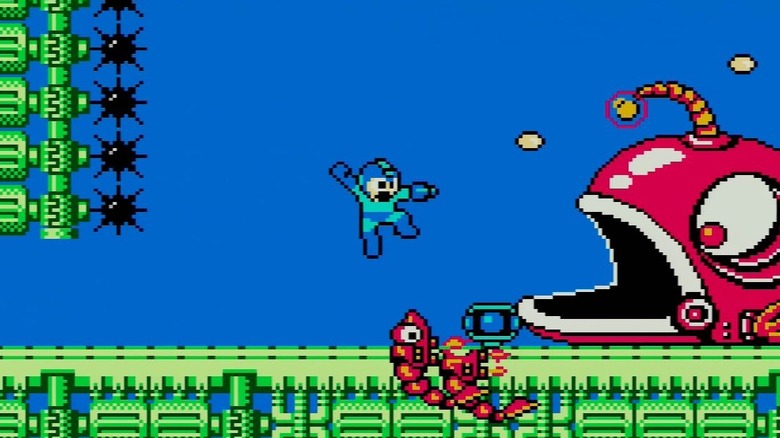
Capcom's long-running sci-fi platforming series topped its original game with the superior sequel "Mega Man 2" in 1988. The game has players confront a new line of Robot Masters unleashed by the mad scientist Dr. Wily. Upon defeating each of the Robot Masters, Mega Man gains their abilities, taking advantage of their individual weaknesses. This culminates in Mega Man using his newly acquired powers to storm Dr. Wily's castle in a climactic showdown.
There are many "Mega Man" games out there, but the pinnacle of the franchise's six-game run on the NES really is "Mega Man 2." The music plays a big part of that lofty distinction, with every Robot Master stage having its own memorable tune reflecting their respective personality. This culminates in Wily's castle, with music coming in as intense and fast-paced as the level itself. The truth about "Mega Man" is that the music has always played a big role, and composer Takashi Tateishi's musical contributions solidified that tradition here.
Super Mario Land
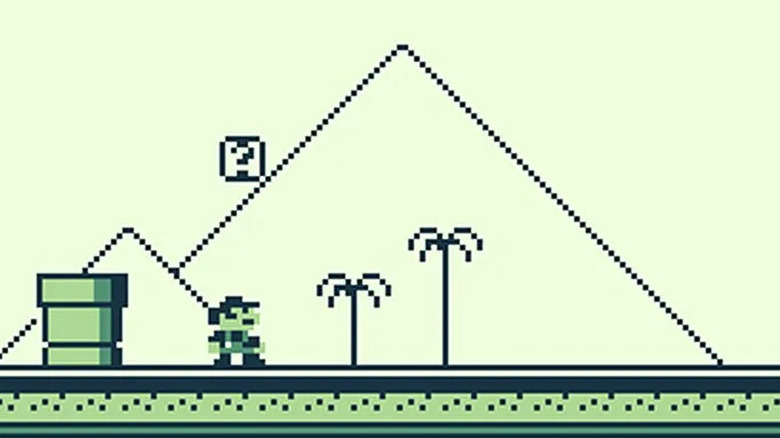
When the original Game Boy debuted in 1989, one of the game's four launch titles was "Super Mario Land," an all-new game starring Nintendo's beloved mascot. With the franchise's usual creative team focused on its home console projects, its handheld counterpart was given more freedom in interpreting what was possible for a Mario game. That meant not only a different type of story compared to the NES titles, but levels featuring Mario piloting submarines and airplanes while defeating enemies. This also extended to composer Hirokazu Tanaka creating a musical score notably distinct from the franchise's usual music composed by Koji Kondo.
The "Super Mario Land" soundtrack features a wide range of musical styles and tonalities, all the more admirable given the early limitations from the Game Boy's hardware. From a bouncy main theme that captures the spirit of the franchise in a new way to Middle Eastern-inspired melodies, this is the most varied Mario soundtrack of the '80s. The musical sensibilities that Tanaka brought to the title really haven't been evoked since, with Tanaka largely moving on to other Nintendo properties for his subsequent work. That "Super Mario Land" is the shortest Mario game to beat, yet with its music still leaving an impact, makes the soundtrack all the more impressive.
DuckTales
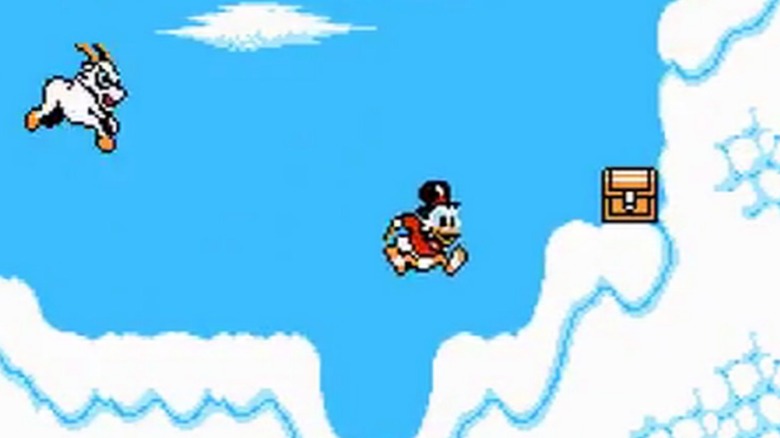
"DuckTales" is one of Disney's most enduring animated series from the '80s, chronicling the adventures of Scrooge McDuck and his nephews. Disney partnered with Capcom on a video game tie-in for the show, first released for the NES in October 1989. Developed by the main creative team of Capcom's successful "Mega Man" series, the game has Scrooge travel the world and even outer space for rare treasure to add to his vault. Fending off enemies with his trusty cane, Scrooge and his nephews venture everywhere, from the depths of the Amazon rainforest and Himalayas to the surface of the Moon.
Aside from beautifully rendering the classic "DuckTales" theme in glorious 8-bit sound on the NES hardware, composer Hiroshige Tonomura outdid himself with the game's full soundtrack. The score evokes the animated series' playful nature, while each level has a distinct melody reflecting its setting. But Tonomura goes above and beyond with the music for the game's lunar stage, instilling a twinkling sense of wonder as Scrooge ventures into the cosmos. That type of sonic soundscape is something that can only be effectively executed by the NES.
Castlevania III: Dracula's Curse
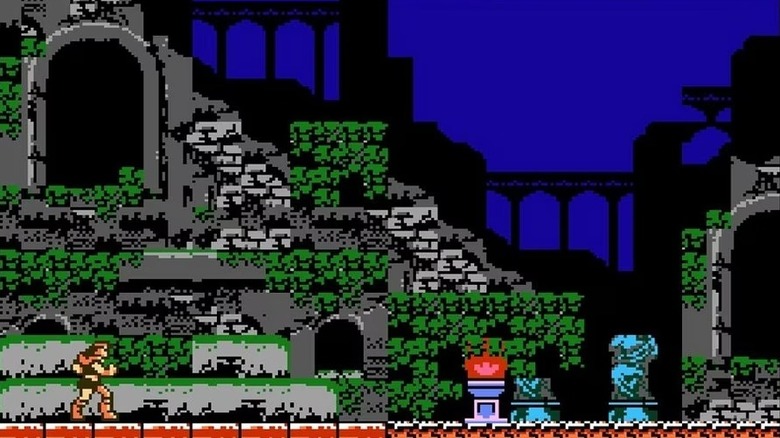
Released in Japan in December 1989, "Castlevania III: Dracula's Curse" closes out Konami's horror-tinged action-platforming trilogy on the NES. A prequel to the preceding two games, "Dracula's Curse" has players control Trevor Belmont, the 15th century ancestor of the franchise's original protagonist, Simon Belmont. As Dracula rises from the grave and plunges Transylvania into darkness, Trevor wields the legendary Vampire Killer flail to vanquish the monsters. Players are given a choice in branching level paths as they progress and can recruit three different allies to aid them on their quest.
"Dracula's Curse" is one of the best "Castlevania" games ever made, and pushed the NES hardware as far as it could go. This includes the game's sound design, with the Japanese Famicom cartridge containing a revolutionary sound chip adding to the aural dynamics of the score. The NES version released in North America in 1990 didn't have this technical capability, but still featured the best score in the console's trilogy. Right from the opening level, players are treated to a score that evokes the franchise's Gothic inspirations, which only grows more varied as they progress.