
The Dark Side Of Esports Nobody Talks About
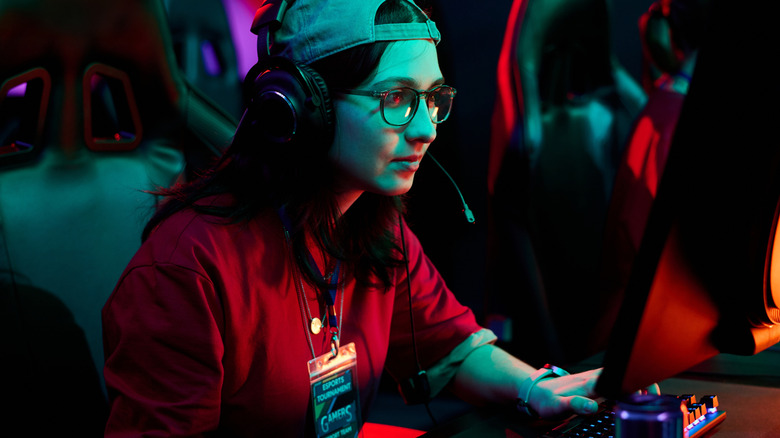
Video games have given the world a lot of good things, esports included. Competitive play brings games to life in a whole new way, and, for gamers, there are few things as thrilling as watching or competing in a tense match. Esports give the best gamers in the world a platform to showcase their skills and an opportunity to build a career for themselves. Some esports teams have become unbelievably rich, and those incredible success stories inspire more young players to get into the game.
However, while competitive leagues can make dreams come true, they can also grind down players in the worst ways. Sometimes competition has driven players to extremes, and, just like traditional sports, gambling is a specter that haunts every game. We love esports, but it's really no surprise that there's some less-than-ideal things happening in the leagues. Let's take a look at the dark side of esports that people don't tend to talk about.
Orgs have exploited young players with shady contracts
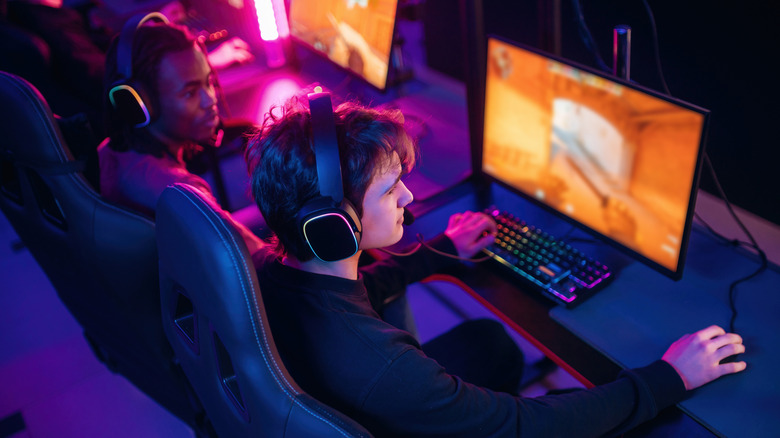
Esports has become a hugely lucrative industry, and this has led some esports organizations to take advantage of young players with questionable contracts that seem carefully designed to exploit them. Orgs reportedly use FOMO tactics, sending out contract offers with short time limits attached as a way to rush players into making decisions without reading all the conditions. The contracts themselves often include some pretty shocking terms, including the prospect of being traded to another team anywhere in the world without consent.
Speaking to The Washington Post on the condition of anonymity, one Team Envy member said that shady contracts are an ongoing issue, especially when it comes to younger gamers. "It's been a huge issue for years," they said. "With 'Fortnite,' these young kids are being completely taken advantage of by these contracts, and it was happening before." Pay is also an issue, with some orgs taking insanely large cuts from sponsorship deals – player Turner "Tfue" Tenney actually sued FaZe Clan because it was taking 80% of the money that came in from his deals.
Insiders say that esports organizations are willing to exploit players for extra cash, and that makes the entire industry less safe and appealing for everyone. Most of the players being offered esports contracts are young (sometimes they're even minors), and there are no independent unions protecting players participating in the major U.S. leagues. It seems that many esports organizations are more interested in making short term profits than supporting players over the course of their careers.
Gambling is a growing issue in esports
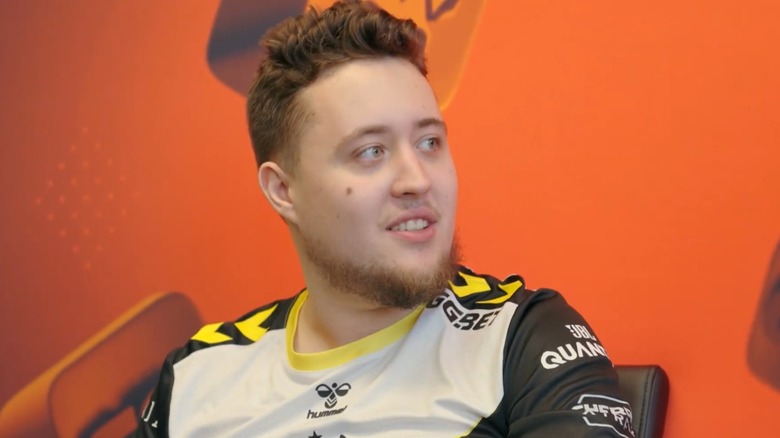
Since long before esports even existed, there's been an argument about whether or not gambling is ruining sports, and the discussion is ongoing to this day. Proponents see gambling as a fun and exciting way for fans to get more directly involved with their favorite sports. Detractors see it as compromising the integrity of the game, and they also point to concerns about gambling addiction. In the United States, that debate has been supercharged by the legalization of sports betting, and esports fans are also caught up in the argument.
Fans have noticed that esports events are now filled with gambling ads and discussions, and many of them feel that takes away from the games themselves. Another factor that makes the conversation around esports gambling even more thorny than it is with traditional sports gambling is the age group of the esports audience. Younger adults and teens make up the majority of esports viewers, and there are huge concerns around gambling being marketed to minors.
"Advertising or talking about betting is always morally wrong considering 'League' is still played and followed by many kids," one Redditor wrote in the "League of Legends" subreddit, with another adding, "Gambling brings in massive amounts of money, its an addiction that you can easily get people into." A study called "Are esports bettors a new generation of harmed gamblers?" found that people who bet on esports are "more likely to meet problem gambler criteria," but this issue is routinely swept under the rug in the esports world.
Drug use is reportedly rampant among esports players
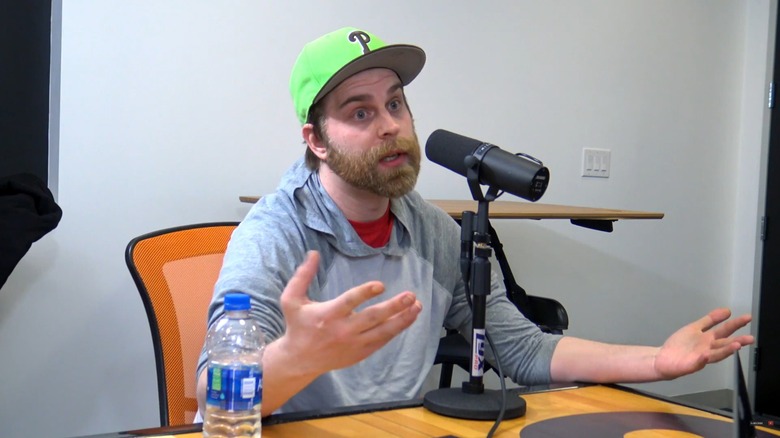
Traditional sports organizations have been fighting against drug abuse among players for decades. Sports like baseball, football, and even some Olympic-level competitions have seen doping scandals in the past. Some people might assume that esports would be free from this particular issue, but that couldn't be further from the truth. Gamers might not benefit much from steroids, but they have found a different drug that can be used to enhance their play.
Many professional gamers reportedly turn to stimulants to give themselves a competitive edge. Adderall abuse is particularly rampant in the esports industry according to insiders, with some gamers said to believe that the hyperfocus they get from taking the ADHD medication helps them outperform other players in heated matches. A 2020 report from The Washington Post contained a chilling quote from former "Call of Duty" World Champion Adam "KiLLa" Sloss, who said: "Nobody talks about it because everyone is on it."
Setting aside concerns about stimulants offering users an unfair competitive advantage, drugs like Adderall can also cause an array of health problems and addiction issues. Esports fans and players alike recognize that stimulant usage, and Adderall abuse in particular, is a rampant problem. So far, though, esports organizations have been slow to find a successful method for reducing the abuse.
Cheating scandals continue to damage the image of esports
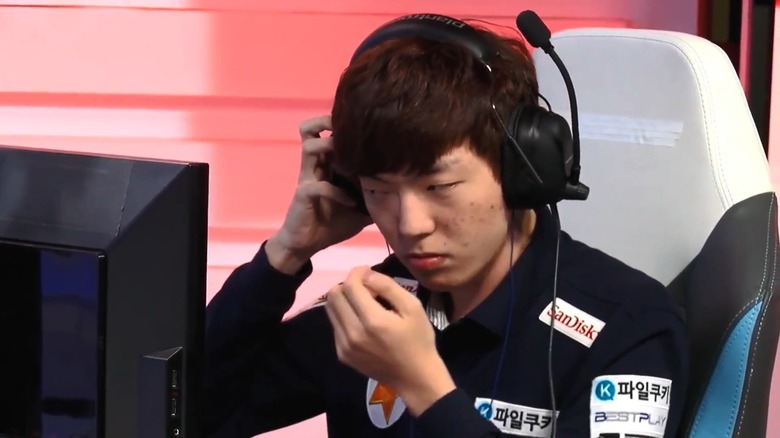
Anyone who's gotten into online gaming can tell you that cheating is a serious problem for casual players. Aimbots and other illicit cheats are just too easy to come by online. Professional competitions are supposed to have stringent security, but sometimes players have found ways to bring cheats into events. In 2018, a player called Forsaken brought his cheat-laden PC to a competition and failed to remove his aimbot before getting caught, banned, and then brutally memed by competitive "Counter-Strike: Global Offensive" fans.
Two years later, another "CS:GO" scandal rocked the competitive scene when coaches were found to be taking advantage of bugs to freely view the map and supply their players with insider info during matches. It's frustrating for the honest players, but the fact is that dealing with cheats is a never-ending process in the esports world. As recently as March 2026, esports players in Thailand were served with jail time for cheating their way through competitions.
Sometimes, the cheating issue overlaps with the gambling one. A "StarCraft II" player named Lee "Life" Seung Hyun was one of the most famous esports players in the world back in the 2010s. In 2016, it was discovered that he had been fixing matches for years, sometimes intentionally losing, all to fuel his own gambling addiction. Life is just one of several pro gamers who have ruined their own career. To this day, his story is a standout example of just how big of a problem cheating is in the esports world.
Sexual harassment is a sad reality
The sad truth is that sexual harassment is an issue in just about every aspect of the gaming industry. Major corporations like Activision Blizzard have been investigated for creating hostile work environments for female employees. Harassment is also something that makes streaming more dangerous than you realize, with female streamers sadly forced to deal with it on a regular basis. That depressing trend carries over into esports, where sexual harassment is a daily reality for some players.
Studies have tried to figure out just how prevalent sexual harassment is in the world of esports, and the results aren't encouraging. Some players have even reported being touched inappropriately or assaulted in real life. Esports events themselves are viewed as dangerous by some people. "Many of the offenders were live streamers or esports professionals, often with large followings and fans," one academic report found, adding that when people who are viewed as stars in the industry are the ones doing the harassment, dealing with the issue becomes even more difficult for victims.
If you or anyone you know has been a victim of sexual assault, help is available. Visit the Rape, Abuse & Incest National Network website or contact RAINN's National Helpline at 1-800-656-HOPE (4673).