
5 Most Controversial Video Game Launches Ever
Video game launches are make-or-break events. A game's launch can determine the fate of an entire studio, but even when the stakes aren't that high, launch-day tends to be the defining moment for nearly every game. Sure, plenty of games have flopped on release only to turn things around later with future updates, but those comeback stories are still largely remembered for how they began.
The gaming world has seen some deeply weird controversies, but launch-day drama tends to follow more predictable patterns. Some launch disasters are technical problems: A studio releases a game that's plagued by bugs and immediately transforms a would-be success into an uphill battle for survival. Other times a studio will try to reinvent the wheel, changing some aspect of its usual approach that fans have come to love, only to find their most loyal followers in open revolt.
A bad launch doesn't necessarily doom a game to becoming one of the worst-rated titles on Metacritic, but over the years we've seen launch-day controversies tank the reputation of otherwise well-loved studios. There are some successful games that had terrible starts, but the most controversial video game launches live on in the minds of players regardless of how things turned out in the end.
Diablo 3
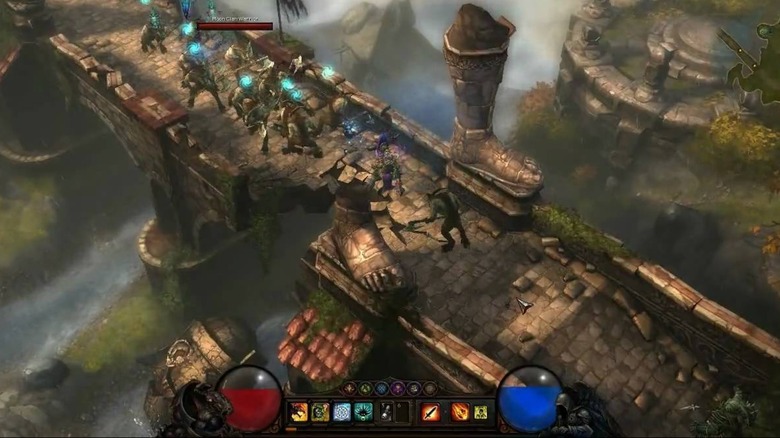
In the year 2000, Blizzard's "Diablo 2" popularized an ARPG formula that's still used across the gaming industry today. "Diablo 2" is such a successful game that some players are still grinding it more than two decades later, which helps to give an impression of how excited fans were to see Blizzard revolutionize the genre again with "Diablo 3." After years of development, marketing, and growing hype from gamers, the game finally launched on May 15, 2012. The release quickly became an unmitigated disaster.
At the time of launch, there were some game design decisions that players thought they'd never be able to get past. "Diablo 3" had less of a grimdark aesthetic than its predecessor, and fans weren't thrilled with the game's bright colors and cartoonish visuals. The game, controversially, also launched with an auction feature where players could pay real money to exchange items with each other. Blizzard said it intended the feature to curb third-party loot markets, but players felt like they were being pumped for cash.
By far the biggest issue with "Diablo 3," however, was the game's always-online requirement. Even players looking to fight demons solo needed to be connected to the internet to sign into the game. At launch, the now infamous Error 37 plagued the "Diablo 3" servers and prevented thousands of gamers from playing. The community was furious, and for a while it seemed like "Diablo 3" might stay dead in the water. Blizzard eventually fixed the game's technical issues and massively overhauled some of its systems with the "Reaper of Souls" DLC. Today "Diablo 3" is considered a success, but that was far from guaranteed at launch.
No Man's Sky
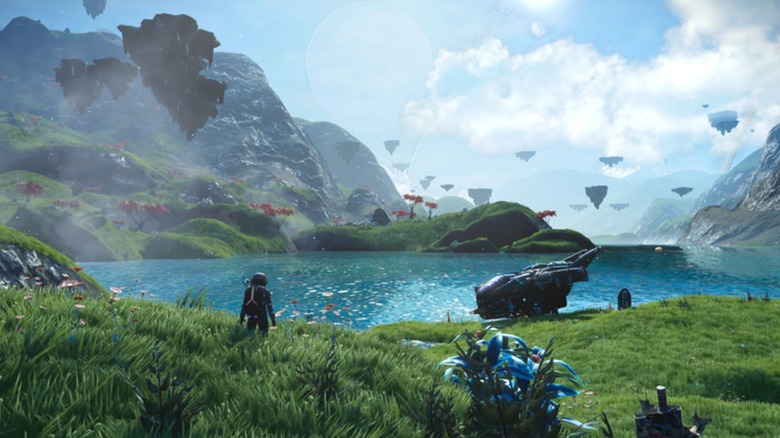
"No Man's Sky" debuted in 2016, but the controversy surrounding the game's release began two years earlier at E3. Hello Games showed off a trailer for its massively ambitious space game, and the entire gaming community was blown away. The relatively small studio had used procedural generation to create an entire universe for gamers to explore. The trailer promised planets filled with adventure, epic spaceships battles in orbit, and seamless multiplayer allowing gamers to explore the universe with their friends.
When gamers finally got their hands on "No Man's Sky," they discovered that many of the trailer's most exciting elements weren't in the game at all. At launch, "No Man's Sky" had an incredibly rudimentary story and quest system, and its base building and customization mechanics weren't as fleshed out as players had hoped.
Virtually all of the online multiplayer features Hello Games had promised were also absent, making the game's vast universe feel lonely. Players had millions of planets to visit and almost nothing to do on any of them. The disappointment and anger gamers felt is impossible to overstate. Hello Games, to its credit, admitted to the game's flaws and committed itself to providing free, expansive content updates for more than a decade. Today, "No Man's Sky" is commonly cited as one of the greatest comeback stories in gaming history, but some of those launch players are never coming back.
Anthem
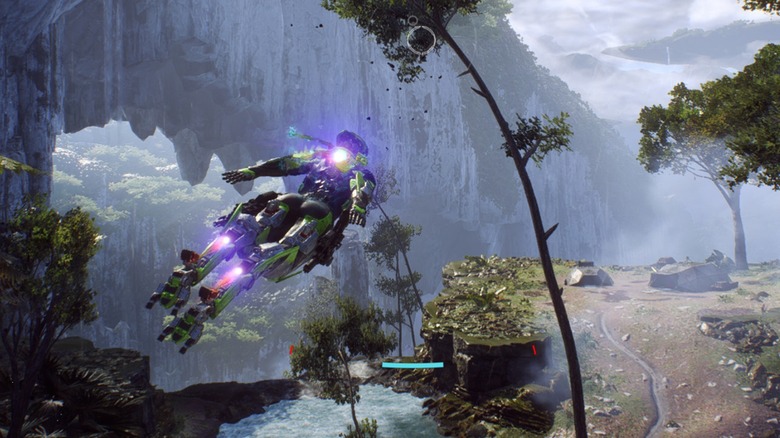
By the 2010s, Bioware was one of the most well-known and beloved developers in the gaming industry. The studio had spent decades releasing games like "Star Wars: Knights of the Old Republic" and "Mass Effect," and in 2017 Bioware revealed a cooperative multiplayer shooter called "Anthem." Fans were intrigued by the game's overgrown environments and jetpack-heavy gunplay mechanics. Who could say no to flying around a map with friends and blasting apart enemies in third-person shooter glory?
Unfortunately, when the game finally debuted in 2019, it turned out that everyone was ready to say no to "Anthem." Fans and reviewers generally agreed that the game had gorgeous visuals and moderately enjoyable combat mechanics, but that wasn't nearly enough to keep it afloat. "Anthem" was plagued by bugs, lengthy loading screens, and repetitive, mindless missions that quickly exposed the flaws in the game's combat systems.
Even worse, the RPG and story elements — two things that Bioware had a reputation for excelling at — were underbaked. The game's story doesn't allow for player choice like previous Bioware titles, and in some dialogue sequences between major cutscenes, characters don't even react to major events. Players discovered that the RPG-like upgrade system was a mindless grind with little to no payoff. Gamers likened "Anthem" to a cheap "Destiny" clone, and the game became Bioware's lowest-rated title on Metacritic. "Anthem" did serious damage to Bioware's reputation among gamers, and because the game spent seven years in development just to flop, it also caused controversy within the studio itself.
Cyberpunk: 2077
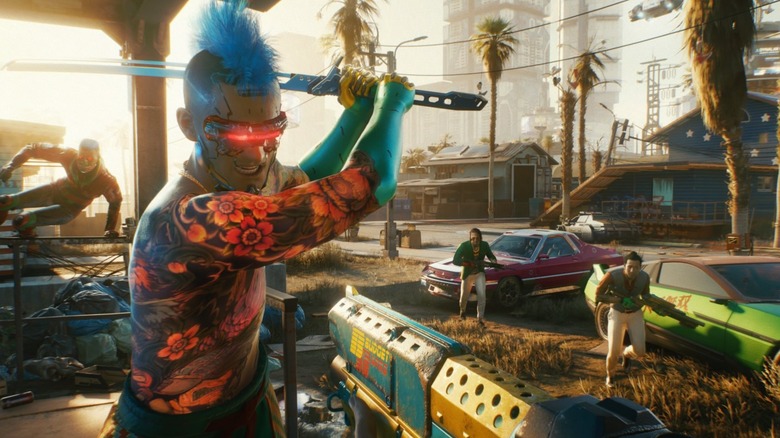
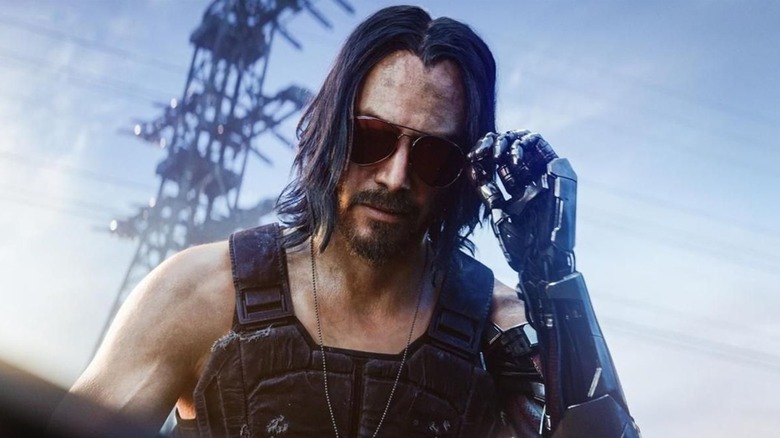
CD Projekt Red is another studio that had an unbelievably positive reputation before the launch of its most controversial game. CDPR is the studio behind "The Witcher 3," one of the greatest RPGS of all time, and when the studio first announced "Cyberpunk 2077," its fans were ecstatic. They couldn't wait to explore the dystopian streets of Night City while using high tech weaponry and skills to make a name for themselves.
After much anticipation and several delays, "Cyberpunk 2077" finally debuted in December 2020, but saying that the game was plagued by bugs would be a horrendous understatement. At launch, bugs were almost more prominent than working features. NPCs would T-pose throughout scenes, teleport across the map, and fly around. Many of the game's missions weren't able to be completed, and some areas could barely be explored. The game's performance on PlayStation 4 was so bad that Sony pulled it from the PlayStation Network, a nearly unprecedented move.
After years of patches and a massive DLC — that never arrived on PS4 or Xbox One — many feel that CDPR ultimately redeemed itself and the game. The studio's co-CEO Michal Nowakowski isn't so sure. In a 2026 interview with Games Radar he said, "I'm not 100 percent convinced we went through the full redemption arc. I'm convinced that we lost the faith of some people indefinitely, and that's a fair thing. But I do hope we will be able to make it back ... with whatever comes next."
GTA: The Trilogy - The Definitive Edition
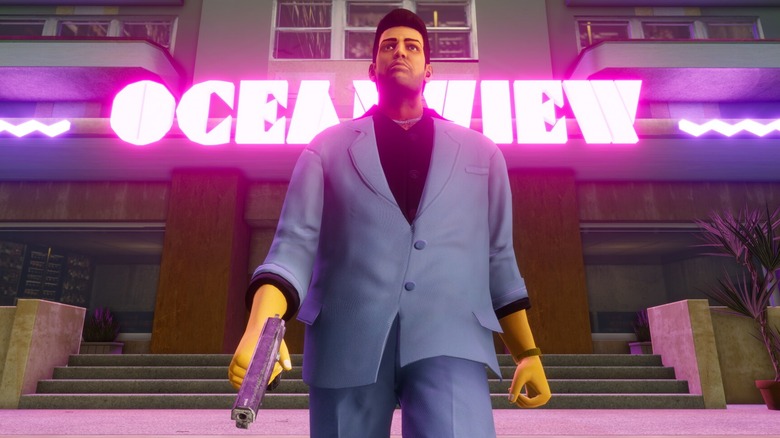
Gamers tend to have mixed feelings about remasters in general, but many of them were excited when Rockstar first announced "Grand Theft Auto: The Trilogy – The Definitive Edition." Fans were interested in having the chance to reexperience three of the best "Grand Theft Auto" games of all time. Once games actually got their hands on the remastered versions of "GTA 3," "Vice City," and "San Andreas," however, their opinions instantly flipped.
When "The Definitive Edition" launched, it was filled with bugs that rubbed players the wrong way. However, it was the remaster's art direction that really sparked controversy. The remaster went beyond updating the graphics of the old games and made embellishments and changes to the presentation of previous titles that diehard "GTA" fans absolutely hated. "The Definitive Edition" also made some other graphical changes, like removing the unique walking animations for CJ's various body types and rendering rain in a way that heavily obscures vision, which fans felt was unnecessary and ruined small details they appreciated about the older games.
Those graphical changes could maybe have been forgiven by the community, if Rockstar's publisher Take-Two hadn't made another controversial decision at the time of the remaster's release. Take-Two delisted the original "GTA" trilogy from online stores, essentially forcing gamers to play with the remastered graphics that they hated. That move caused an outcry from fans and solidified a bad reputation for "The Definitive Edition" that it will likely never shake.