
5 Best PC Games Of The '80s, Ranked
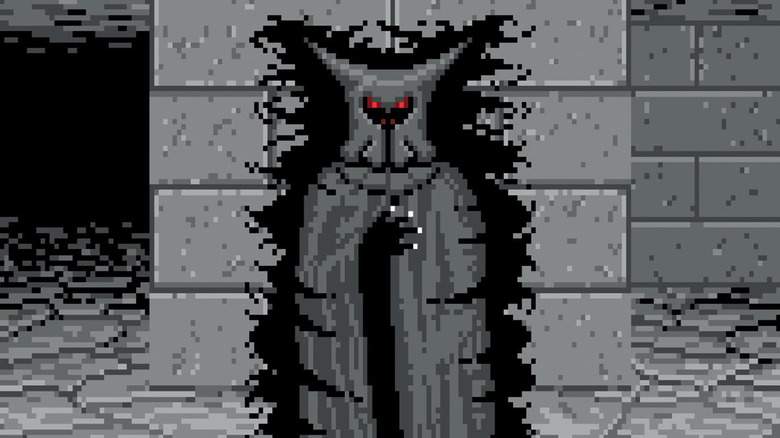
What was possible for gaming on PCs changed dramatically throughout the '80s, going from text-based gameplay to early 3D presentation. Platforms like the Commodore 64, the Atari ST, and the Apple II helped popularize home computer ownership across the decade. This was buoyed by a wide selection of games, several of which pushed the technical boundaries of their respective hardware. The '80s were a pivotal time for the entire gaming industry, and that evolution was apparent on PCs.
With that in mind, we're looking back at the best PC titles released throughout the '80s, many of which still hold up today. They range from side-scrolling platformers to interactive story games, each reflecting how much the medium grew during the decade. For the purposes of this list, we're focusing on games that started out as PC titles first, rather than arcade or console ports. These are the five best PC games of the '80s ranked, each enormously influential and enjoyable in their own way.
5. Prince of Persia (1989)
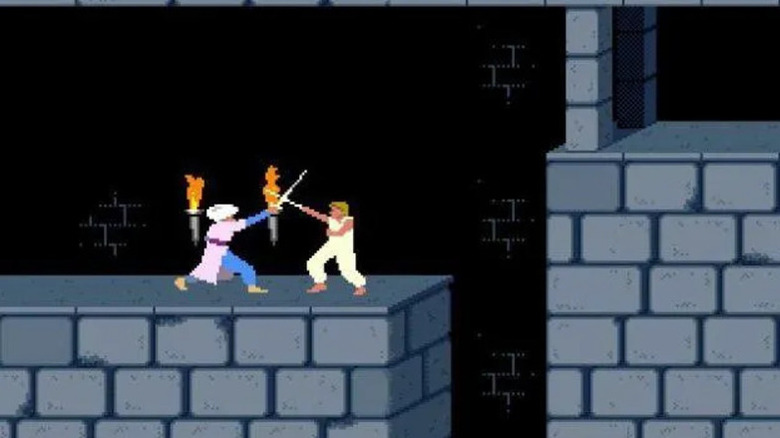
While the '80s saw the rise of platforming games like "Pitfall" and "Super Mario," the 1989 title "Prince of Persia" took a more complex approach to the genre. Originally released for the Apple II, the game combined puzzle-solving and light hack-and-slash combat with its platforming action. Unfolding as a series of single-screen levels, players have to navigate deathtraps in order to proceed and are given 60 minutes to beat the game in its original version. This is complicated by the complexity of puzzles and traps, along with the fact that the player character can take fall damage.
"Prince of Persia" was quite innovative for its time, and one of the best-looking platforming titles of its era thanks to its rotoscoped animation. The challenge is definitely there, but the controls feel much more intuitive than similar titles like "Pitfall." This adds a level of freedom to the types of movements players can do, mitigating the overall level of frustration with its difficulty. While Ubisoft drags its heels on a planned "Prince of Persia: The Sands of Time" remake, the original 1989 game offers a retro-fueled blast from the past.
4. Dungeon Master
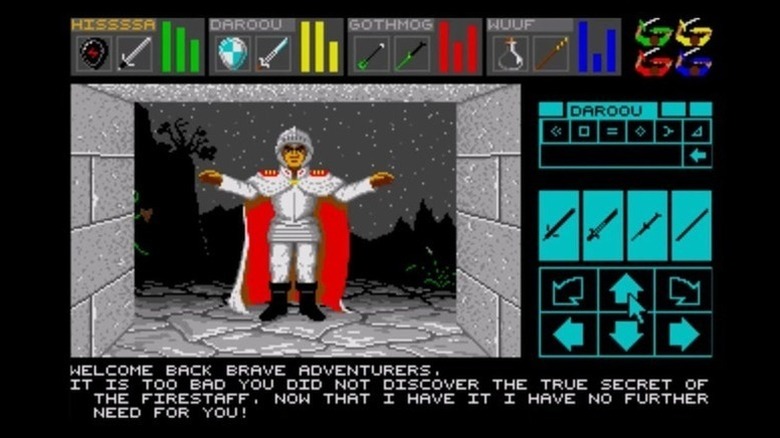
Between titles like "Gauntlet" and "Dragon's Lair," the fantasy genre was alive and well in gaming throughout the '80s. One title that originated on PCs that stood out above most of its contemporaries was "Dungeon Master." A first-person dungeon crawler, the game had players venture into monster-filled environments to recover a magical weapon and defeat the villainous Lord Chaos. Rather than leveling up conventionally like in most RPGs, "Dungeon Master" features a dynamic improvement system, with players improving attributes and skills that they actively use.
With its first-person perspective and real-time combat system, "Dungeon Master" is a game from 1987 that felt revolutionary at the time. It also looks incredible for its time, with detailed and varied monster types vibrantly brought to life. Beyond the technical aspects of the title, developer and publisher FTL Games really outdid themselves in making an intuitive and immersive dungeon crawler. Setting the stage for spiritual successors like "Eye of the Beholder," "Dungeon Master" is a must-play for fans of the fantasy genre.
3. Maniac Mansion
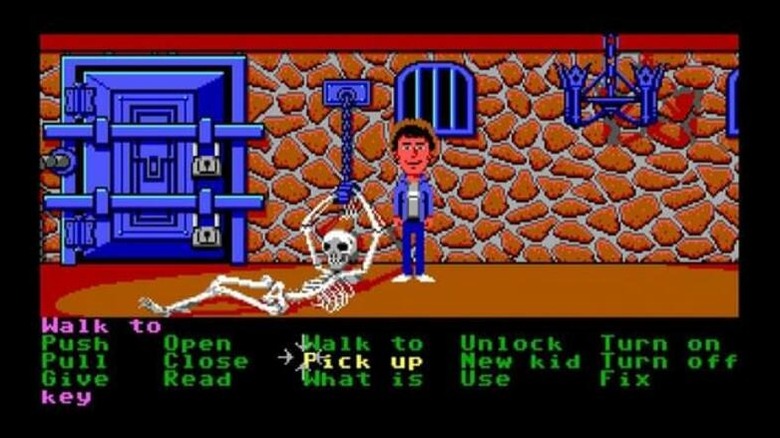
Point-and-click interactive story games evolved tremendously throughout the '80s, with environments becoming richer and the amount of actions growing more varied and robust. As Lucasfilm Games moved away from developing titles based on existing properties produced by its parent studio, one of its early original projects was "Maniac Mansion." A horror comedy set within a mad scientist's home, the game follows a group of teenagers trying to save one of their own who was kidnapped. The characters need to evade enemies and deathtraps while navigating each room's puzzless, with the game featuring multiple endings depending on which characters you choose and who survives the story.
"Maniac Mansion" would later inform future point-and-click games by Lucasfilm, including "Monkey Island" and "Indiana Jones and the Fate of Atlantis." But beyond its influence, the 1987 game offers players plenty of dark humor and replayability with all the different ways its story can unfold. It also has more detailed backgrounds than other interactive story games of its era, leaning into the premise's haunted house themes. If you're revisiting "Maniac Mansion," just be sure to stick with the PC version rather than the censored American console port.
2. MIDI Maze
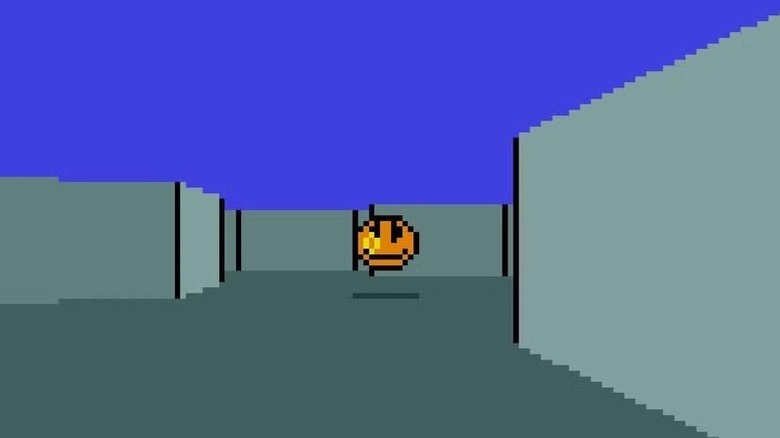
First-person shooters remain a staple for PC games, and those roots can be traced back to "MIDI Maze." An early FPS maze shooter originally released in 1987 for Atari's home gaming PC, the Atari ST, the game features floating smiley faces as the players' avatars. By networking these platforms together, the game supported up to 16-person competitive multiplayer gameplay in chaotic FPS action. The game also includes a level editor for players to customize their own maps and share with friends on the same network.
Though it's not as well-known as subsequent PC FPS titles like "Wolfenstein 3D" or "Doom," "MIDI Maze" is a cult classic. Despite its relatively simple presentation and character designs, the gameplay is responsive and its core appeal is firmly intact. As one can imagine, given its premise, this is a game that's best experienced with friends and still retains that fast-paced fun. An early multiplayer FPS with a certain charm to its rudimentary display, "MIDI Maze" set the stage for more sophisticated genre titles to come.
1. Starflight
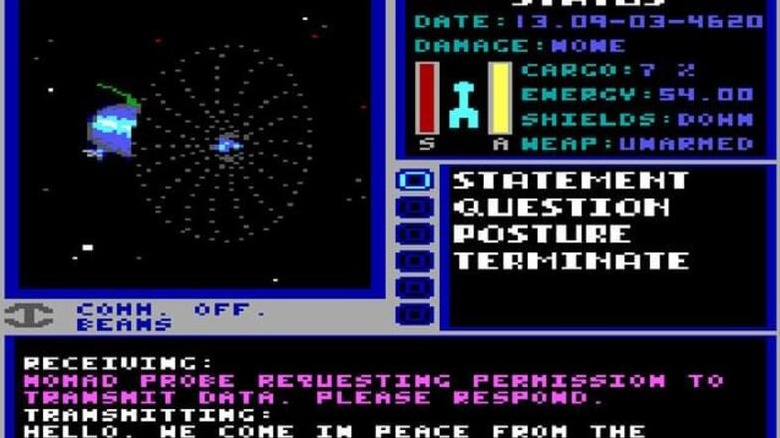
In between all the outer space games flooding the market in the '80s, like "Galaga" or "Yars' Revenge," 1986's "Starflight" went much deeper with its gameplay experience. The game allows players to explore the galaxy, interacting with different civilizations, both in space and on a number of planets. Players can recruit crew members and upgrade their spaceship, with the combat system played out from the ship's bridge. But "Starflight" also emphasizes diplomacy, trading, and exploration rather than constantly resorting to space combat to progress.
The sheer breadth of "Starflight" and overall level of freedom that players have available earns the 1986 game the top spot here. The game's map has 270 star systems to explore, offering hundreds of planets that players can visit for themselves. The game is also more accessible and detailed than its 1984 predecessor "Elite," which similarly presented players with a cosmos to delve into. A huge leap forward for sandbox games and the type of experience that was only possible on PCs at the time, "Starflight" is an ambitious masterpiece.