
5 Incredible Video Games You Can't Play Legally Today
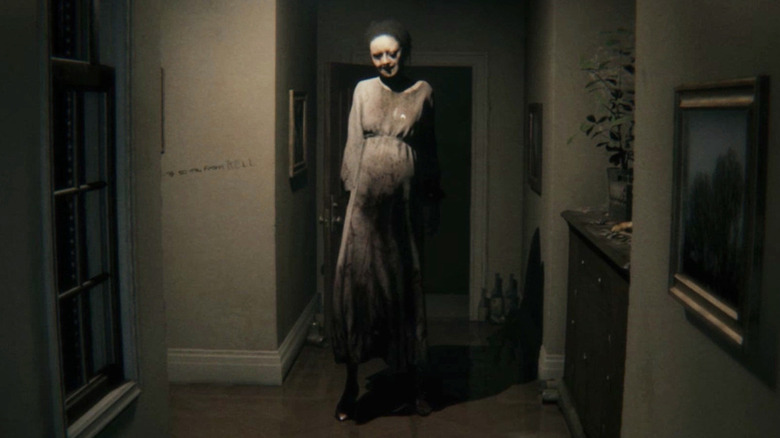
Just because a game does well critically and commercially doesn't mean its publishers will keep it readily available for subsequent generations. In this era of games becoming increasingly digital, with no physical releases, a growing number of titles are becoming lost media. This unfortunately affects well-received games too, due to a number of factors often outside of the developers' control. There's little legal option to revisit these beloved titles, with publishers doing little to bring them back if expressing any interest in doing so at all.
Whether it's expired licenses or just general disinterest from the publisher, these games can't be purchased or played legitimately. This makes it all the more frustrating, especially for those concerned about game preservation and history. To be clear, we're certainly not encouraging piracy, but just pointing out that the games in this article are not publicly available to play through legal means. Here are five incredible video games that you can't play legally today, despite their acclaim and popularity.
Black & White
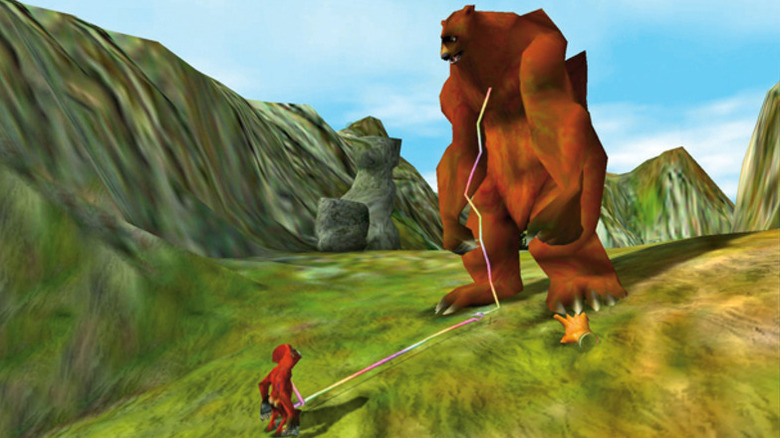
Developer Peter Molyneux is a polemical figure in the gaming community, known for even bashing his own games. One of Molyneux's more warmly received titles was the 2001 PC game "Black & White" and its 2005 sequel. Players control a deity that presides over primitive communities who worship them and populate a series of remote islands. Based on the player's actions, the communities either view the deity as a benevolent and loving figure or a malevolent and sinister entity. The goal of the game is to gain believers through the player's actions, whether they're compassionate or malicious, with the power gained from worship used to battle rival gods.
Developer Lionhead Studios and its intellectual properties were purchased by Microsoft, leading Molyneux to join them. However, the publishing rights to both "Black & White" games is retained by its original publisher, Electronic Arts. Rather than sorting out the legalities of a potential re-release or remaster of the games, both corporate entities have let "Black & White" fall by the wayside. Currently, the only way to play either game is if you own physical copies of them, though it has not been optimized to run on modern platforms.
Back to the Future: The Game
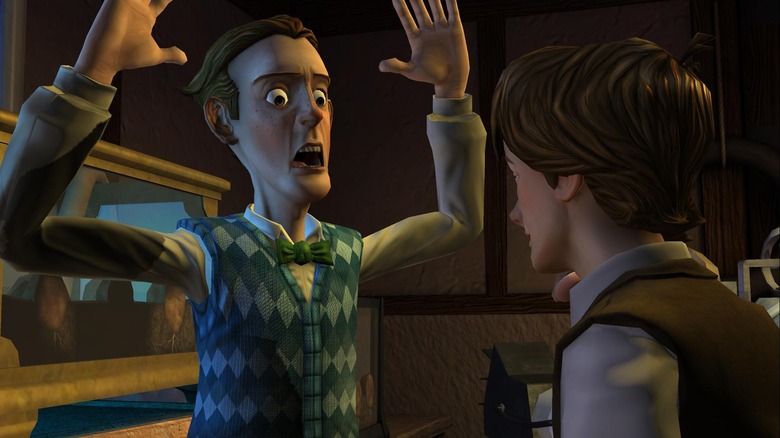
This entry pertains to many of the titles developed and published by Telltale Games, particularly those based on licensed content. 2010's "Back to the Future: The Game" is one of the most prominent, bringing back several actors from the iconic movie trilogy, including Michael J. Fox and Christopher Lloyd. Originally released in episodes, the game has Marty McFly travel back to the 1930s where he helps a young Doc Brown after the space-time continuum is tampered with. This leads to the creation of a divergent alternate timeline, forcing Marty back to 1931 to restore history.
When everything went wrong with Telltale Games in 2018, its robust library of narrative-driven licensed games was directly impacted. In the face of these reversing fortunes, Telltale's library started to disappear from Steam and other digital storefronts by the end of the year. This impacted "Back to the Future: The Game," which was among the first notable wave of titles that were delisted publicly. Unless gamers purchased the title, including its 2015 30th anniversary special edition, "Back to the Future: The Game" has been lost to expired licensing.
P.T.
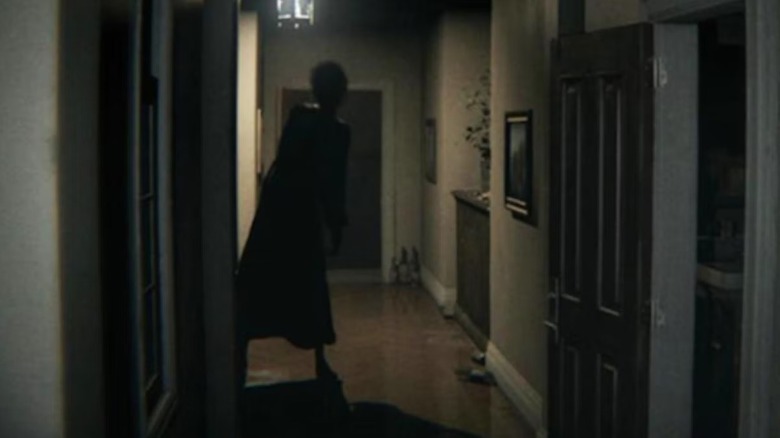
One of the most crushing ruptures in modern gaming history was the breakdown between visionary developer Hideo Kojima and Konami, where he had been working for decades. The "Metal Gear" creator was working on a reinvigoration of the company's "Silent Hill" franchise at the time, cleverly announced in 2014 with the short digital game "P.T." Standing for "playable teaser," the game unfolded from a first-person perspective as players repeatedly moved through a hallway in a multi-level home. As players loop through the corridor, they encounter increasingly disturbing phenomena while solving puzzles and being stalked by a hostile ghost named Lisa.
As its public split with Kojima unfolded, Konami killed "P.T." and the planned "Silent Hill" project it alluded to. More than stopping the associated project, Konami ensured that "P.T." was no longer available to play, delisting it from the PlayStation Store and preventing players from redownloading it. That means any PlayStation console that happens to have a copy of "P.T." downloaded onto it has a very precious piece of horror game history. "Silent Hill" would get its own revival without Kojima's involvement, but "P.T." remains unavailable despite fan outcry.
Overwatch
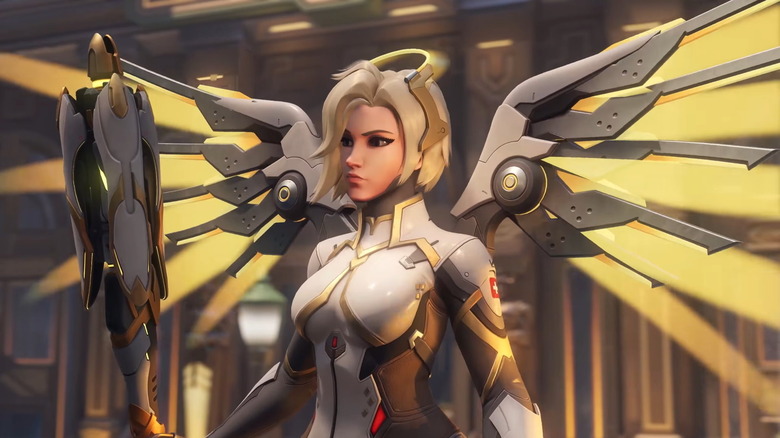
The team-based hero shooter "Overwatch" made waves when it launched in 2016, providing players with frenetic 6v6 combat. Developed and published by Blizzard Entertainment, the title has gamers choose from three character class types and form a team to take on opponents in a variety of modes. Aside from the usual deathmatch options, there were also objective-based gameplay modes highlighting the importance of coordination and teamwork. The game is set in a futuristic world where megacorporations battle for control, after the rise of malevolent artificial intelligence causes widespread unrest.
Boasting an impressive launch, "Overwatch" had millions of active players in 2019 as the premier hero shooter on the market at the time. What killed the game wasn't a lack of popularity but Blizzard turning its attention to a direct sequel, "Overwatch 2." On October 3, 2022, Blizzard shut down the original "Overwatch" servers for good, ending accessibility to the title. "Overwatch 2" launched its open beta the next day, but for any fans looking to revisit the original game, they're out of luck.
Super Mario Bros. 35
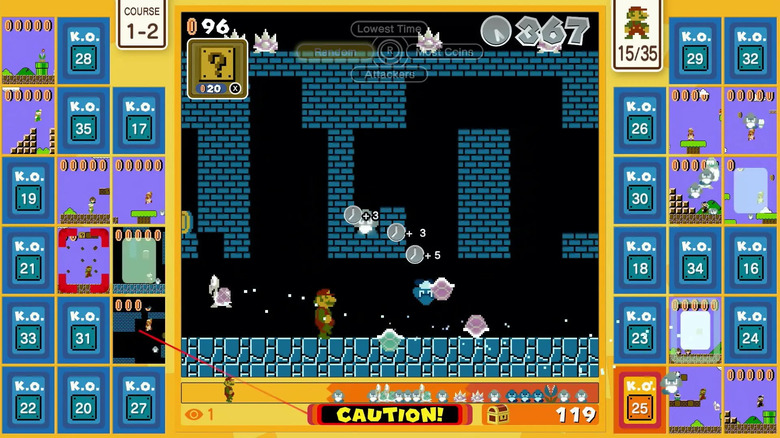
Nintendo pulled out all the stops in 2020 to commemorate the 35th anniversary of the "Super Mario" franchise. New and remastered games were made available on a variety of platforms, including "Super Mario Bros. 35" for the Nintendo Switch. The online game had players traverse a remixed version of the classic 1985 "Super Mario Bros.," with a total of 35 gamers going through levels simultaneously. Players who were eliminated could create obstacles targeting their rivals, while others still in competition were rewarded through power-ups and time limit extensions.
While a fun and chaotic new way to play "Super Mario Bros.," the anniversary game was a limited time event from Nintendo. March 31, 2021 became a dark day in Nintendo history as it concluded its anniversary celebrations. This was marked by Nintendo delisting "Super Mario Bros. 35," as well as no longer making "Super Mario 3D All-Stars" available to purchase from its digital storefront. Whereas users who purchased "Super Mario 3D All-Stars" prior to this date or own it physically can still play that game, "Super Mario Bros. 35" is gone forever.