
5 Video Game Sequels That Quietly Killed A Franchise
Sometimes even the sturdiest video game franchises can be completely derailed by a single mediocre installment. Gamers' memories tend to fixate on the most recent release for even the longest-running properties, meaning a false step can undo years of popular fandom. This unfortunate distinction spares no one, not even powerhouse game publishers like Nintendo and Microsoft with their once-esteemed titles. Sometimes these dormant franchises have eventually been revived, but long after the taint on their legacy has subsided in our collective memory.
With that in mind, we're focusing on video game titles that led to their respective publishers shelving the entire series. From scathing critical receptions to lackluster sales and fan responses, these games earned a fair bit of notoriety. And while we'd love to see some of these franchises return, in most cases, these properties have largely been brushed aside for more recently well-received hits. These are five video game sequels that quietly killed a franchise, putting once thriving properties on ice for years.
Banjo-Kazooie: Nuts & Bolts
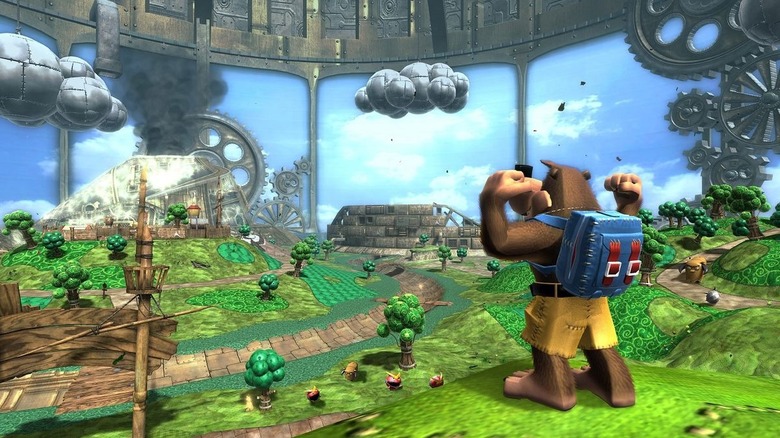
One Xbox franchise that needs to be revived is "Banjo-Kazooie," which hasn't seen a brand-new game since "Banjo-Kazooie: Nuts & Bolts." Rather than being a conventional platforming game like its predecessors, the 2008 title primarily focused on the characters building and customizing vehicles. Returning antagonist Gruntilda reignites her feud with the titular bear and bird duo, this time involving a variety of vehicle-based challenges across six worlds for them to complete and advance. The change in gameplay direction was divisively received by fans, who wanted something closer to the original "Banjo-Kazooie" and its 2000 sequel "Banjo-Tooie" on the Nintendo 64.
There are several reasons why Microsoft won't release a more conventional "Banjo-Kazooie 3" in the wake of "Nuts & Bolts." Rare, the developer, is focused on other Microsoft properties, including "Sea of Thieves," while its platforming franchise has been relegated to remasters of its first two games. A lot of the original "Banjo-Kazooie" development team left Rare entirely to make a spiritual successor to their past series titled "Yooka-Laylee," complete with another odd-couple pair of protagonists. In the meantime, the biggest reappearance of Banjo and Kazooie has been as guest fighters in "Super Smash Bros. Ultimate," leaving "Nuts & Bolts" as the franchise's last misstep.
Duke Nukem Forever
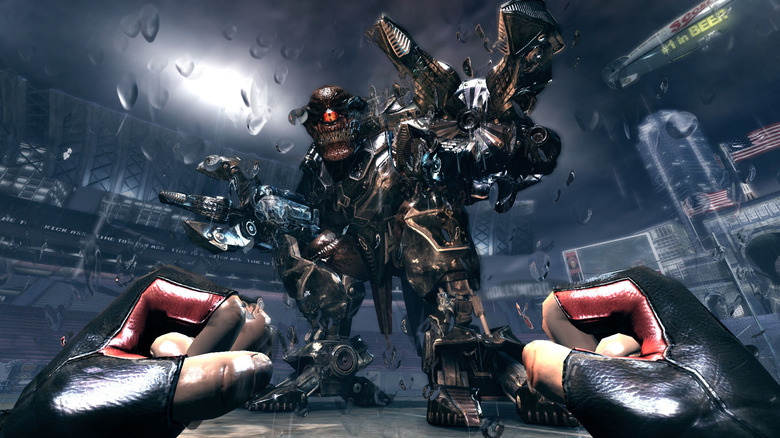
2011's "Duke Nukem Forever" took 15 years to develop, changing studios, software builds, and intended platforms across its lengthy production cycle. The first-person shooter has Duke emerge from his self-imposed retirement when Earth faces yet another alien invasion. This time around, the extraterrestrial conquerors have a prominent grudge against Duke after their previous encounter in 1996's "Duke Nukem 3D," targeting those close to him. As Duke launches a one-man war against the invaders, he uncovers a conspiracy that spreads all the way to the President of the United States.
While "Duke Nukem Forever" was intended to completely reinvigorate the franchise, the video game was so bad that its sequel was canceled. The entire game is just an unpleasant experience, from its dated sophomoric humor to its clunky presentation and handling. For a game that had as long a development history as it did, the finished product feels half-baked at best. Duke Nukem was always a product of the '90s and, in trying to become relevant again in the 21st century, "Duke Nukem Forever" botched his big return.
007 Legends
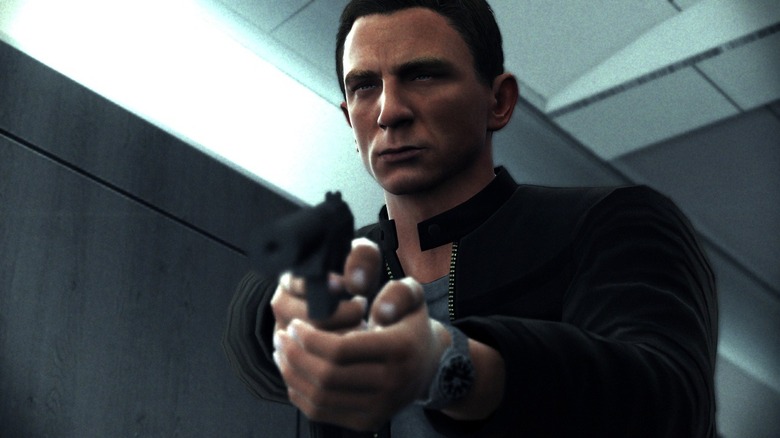
James Bond games had been running consistently since 1997's "GoldenEye 007," often with first-person shooters starring the iconic super-spy. After gaining the license, Activision started publishing games for the franchise with 2008's "007: Quantum of Solace," the first in the line featuring Daniel Craig's likeness as Bond. This run came to an abrupt end with 2012's "007 Legends," the 50th anniversary celebration of the movie series with levels based on films from its different eras. After the game's release, a DLC mission based on scenes from the movie "Skyfall" provided a conclusion to the game.
With its tepid response from critics and gamers, "007 Legends" was a huge flop when it launched in 2012. Performing below expectations commercially, Activision pulled the game from digital storefronts months after its release and closed its development studio Eurocom, who had worked on the game. Activision relinquished the Bond license and the franchise went dormant on the gaming front for 14 years, with no movie tie-in games produced for "Spectre" or "No Time to Die." "Hitman" developer IO Interactive is breaking this long drought in 2026 with "007 First Light," but Bond games as they had existed before are finished.
Star Fox Zero

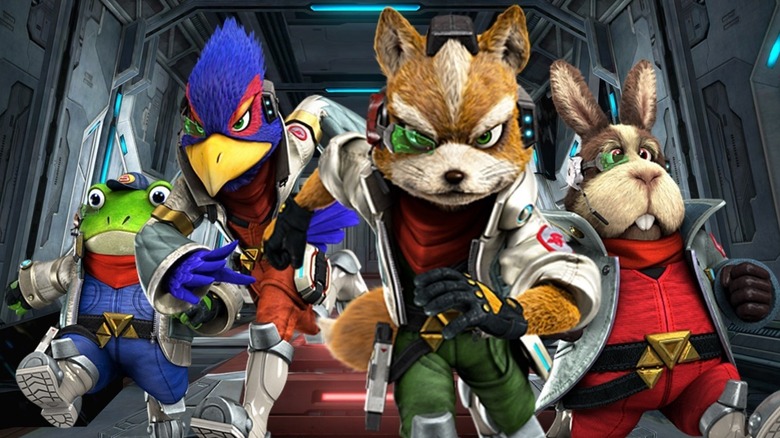
The 1993 vehicle-based rail shooter "Star Fox" demonstrated the technical feats capable on the Super Nintendo, with then-groundbreaking graphics. The franchise continued with 1998's "Star Fox 64" before getting more experimental on subsequent Nintendo platforms. The series received a reimagining with 2016's "Star Fox Zero" for the Wii U, with pilot Fox McCloud leading his squadron to defend their solar system. Unfortunately, the game was the worst-selling in the franchise in its native Japan, while international sales figures didn't fare much better.
After the disappointing reception to "Star Fox Zero," the franchise has been conspicuously grounded ever since, with no brand-new title during the entire Nintendo Switch era. "Star Fox 2" was finally released from the Nintendo archives as a digital title on the SNES Classic and Switch Virtual Console, but no newly developed games have surfaced. The first two games in the series were highlights of their respective consoles' libraries, making this continued inactivity all the more glaring. It's still unknown if we'll ever see another "Star Fox" game, but hopefully Nintendo doesn't keep the franchise shelved forever.
Mass Effect: Andromeda
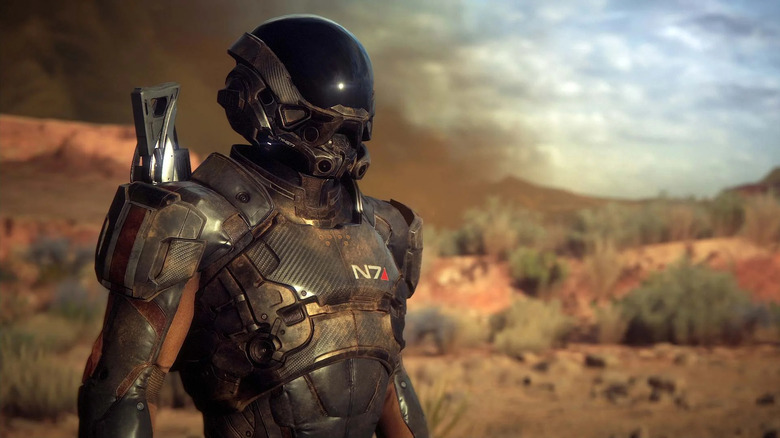
Bioware's original "Mass Effect" trilogy was a standout throughout the Xbox 360/PlayStation 3 era, blending immersive sci-fi storytelling with third-person action and light RPG elements. With the story of protagonist Commander Shepard presumably concluded in "Mass Effect 3," the franchise moved in a different direction for 2017's "Mass Effect: Andromeda." The game featured a different cast of characters embarking on an epic voyage to colonize the Andromeda Galaxy led by a new protagonist, Ryder. While searching for a planet suitable to host the colonists, Ryder encounters a villainous race known as the Kett and a mysterious synthetic entity, the Remnant.
On arrival, "Mass Effect: Andromeda" didn't make a good first impression with players and critics alike. Common criticisms were leveled at its buggy and awkward character animation, stilted dialog, and a generally uninspired story. In the face of this lackluster reception, publisher EA hasn't released any new "Mass Effect" games, going as far as to cancel planned DLC for "Andromeda." Though there are rumblings of a new entry in the franchise, there has been nothing solid to show for this effort to get "Mass Effect" beyond the legacy of "Andromeda."