
5 Retro Games Everyone Needs To Play At Least Once
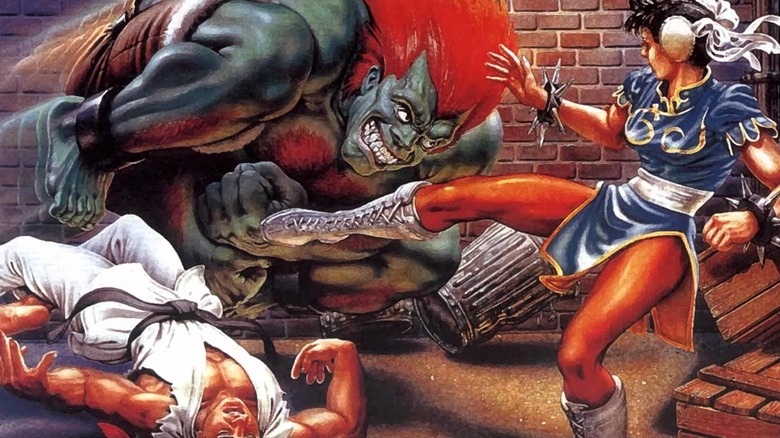
There are some games that stand the test of time, defining the video game medium for generations. Even as gameplay becomes more sophisticated and their presentation becomes more technically impressive, a handful of games retain their appeal. Whether it's games from the 1990s games that aged flawlessly or classic titles that embody their respective genres, a great retro game lives on far past its initial platform. That said, there are a handful of titles that really do need to be experienced by every serious gamer at least once in their lives.
To keep things clear and simple, we're keeping this list to games that were released before the year 2000. Yes, games released in the early 2000s are over 25 years old now, but there's something about '80s and '90s titles that are widely accepted as from the retro era. This era was a period when the medium still felt like it was growing at an incredible rate, both with mainstream recognition and technological capability, evoking a strong nostalgia. Here are five retro games that everyone needs to play at least once as part of their video game education.
Super Mario Bros.
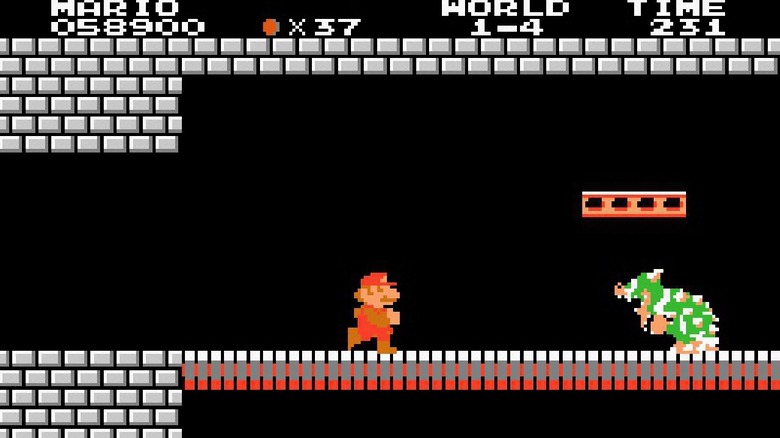
While Mario had been introduced as the protagonist of 1981's "Donkey Kong," the character truly became a household name with 1985's "Super Mario Bros." The classic game has players control Mario and his brother Luigi in a side-scrolling platformer as they set out to rescue Princess Toadstool (she's better known as Princess Peach today) from the monstrous Bowser.
The game was a launch title for the Nintendo Entertainment System when the console debuted in North America, helping fuel its success. This, of course, led to a whole franchise that Nintendo built around "Super Mario" which continues to thrive today.
Yes, there were more advanced "Super Mario" games released in the '80s and '90s, but there's just something timeless about that original 1985 title. From its history-making music for Nintendo to its entertaining level design, the game defines what side-scrolling platformers should aspire to be.
Nintendo retained the basic narrative premise while finding new ways to reinvent the experience on virtually every platform they've released since. Once that familiar soundtrack kicks in and Mario begins running towards that first Goomba, you know you're playing a game that's become a bedrock for the industry.
Tetris
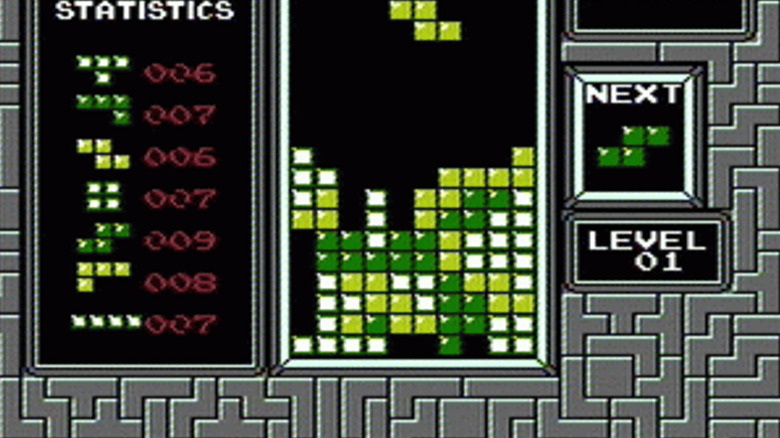
When it comes to puzzle games, none have the same level of staying power and enduring fun factor as "Tetris." Created by Alexey Pajitnov, the game first went to wide release outside of the Soviet Union in 1988. The game has differently shaped blocks cascading from the top of the screen at a gradually accelerating rate. Players have to complete lines as they join the blocks together to survive and build up their high score.
Versions of "Tetris" have appeared on everything from personal computers and mobile phones, to home and handheld consoles. Even with its relatively simplistic design and premise, the game remains popular with modern audiences and still regularly kills with Twitch streamers. The further away the franchise moves away from its roots, the less effective it becomes, as a reminder not to mess with a tried and true success story. An '80s game with endless replay value, "Tetris" is the definitive puzzle game and one that has resurfaced in virtually every gaming generation.
Street Fighter II
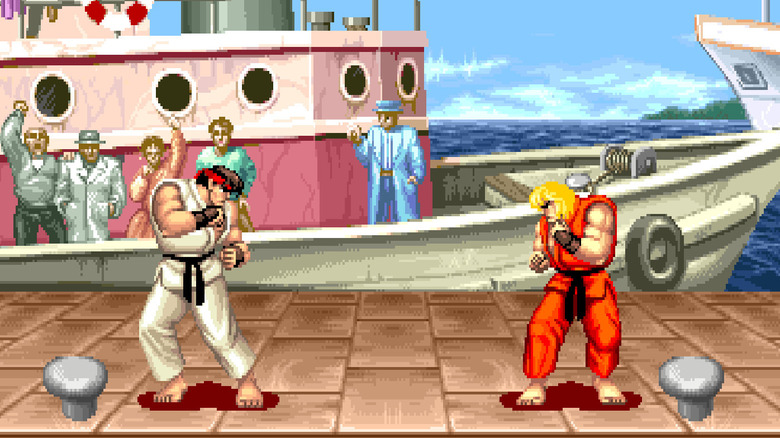
Though fighting games attracted players in the arcade scene since the '80s, 1991's "Street Fighter II" catapulted the genre into the mainstream. Returning "Street Fighter" characters Ryu and Ken join a new global martial arts tournament, this time run by the villainous M. Bison. They face six other participants, along with Bison and his three lieutenants, with later versions of the game adding additional world warriors. The game has been ported numerous times, including remasters for modern platforms, while making its publisher, Capcom, the premier name in fighting games.
The impact "Street Fighter II" left on the industry as a whole, even beyond fighting games, really can't be understated. The game revitalized the international arcade scene, a success it parlayed into its home versions, and set the template for countless arcade games.
Capcom created an entire "Street Fighter" story continued by sequels and spin-offs, while significantly expanding its library of fighting game properties, including "Darkstalkers." Any fighting game enthusiast needs to go back to where it all started with "Street Fighter II," whose influence is still felt today.
Chrono Trigger
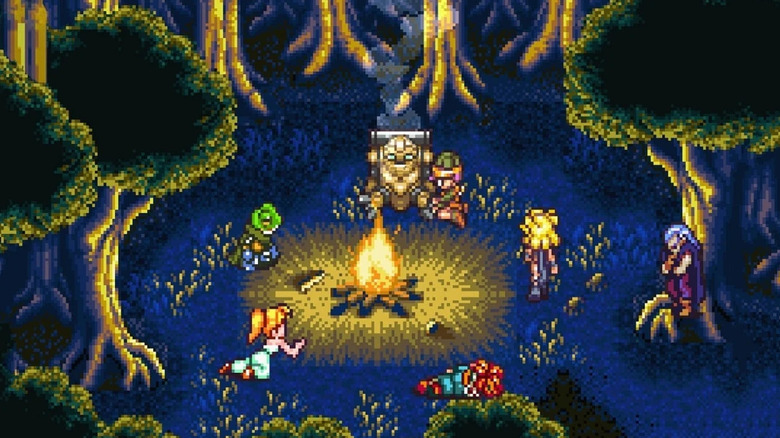
With franchises like "Final Fantasy" and "Mana," Japanese developer and publisher Square absolutely dominated the RPG genre throughout the '90s. One of Square's last titles for the Super Nintendo was 1995's "Chrono Trigger," blending sci-fi and fantasy into a time-bending adventure. The game follows fantasy hero Crono, who travels through a time portal with his friends. After visiting a post-apocalyptic future triggered by a villain known as Lavos, Crono recruits allies from across the timestream to prevent this from coming to pass.
As far as turn-based RPGs go, "Chrono Trigger" sets a high bar that few games in the genre have managed to match. The game is also a '90s RPG that aged surprisingly well, arguably better than any other from the decade. It also features an epic scope, gorgeously rendered environments and characters, and an engaging combat system refined from Square's preceding "Final Fantasy" titles. A beautiful RPG adventure that encourages multiple playthroughs, if there's one Square title to play from before 2000, "Chrono Trigger" is it.
The Legend of Zelda: Ocarina of Time
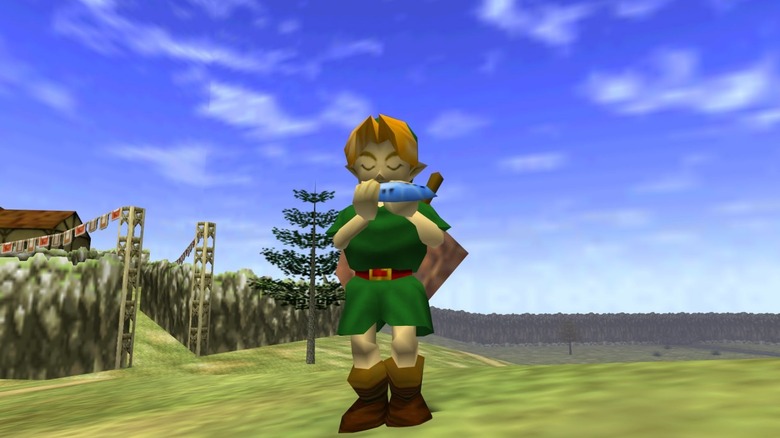
Of all the classic Nintendo properties to make the leap onto the Nintendo 64, few did it better than "The Legend of Zelda." 1998's "Ocarina of Time" brought the fantasy kingdom of Hyrule and its familiar denizens into 3D, including its green-clad hero, Link. The game's story has Link learn his true heritage in time to join forces with Princess Zelda in confronting the evil sorcerer Ganondorf. This leads to an adventure spanning time as Link gathers enough elemental power to try to liberate Hyrule from a dark future where Ganondorf reigns supreme.
"Ocarina of Time" was a revolutionary title when it was first released and has subsequently been regarded as the best mainline "Zelda" game. That quality holds up years later, providing gamers with an immersive vision of Hyrule, intuitive combat mechanics, and inventive dungeon designs. For decades, "Ocarina of Time" set the mold for the franchise's 3D titles and inspired many action RPGs in its wake. The game has been remastered several times since, and for anyone looking for a way into the "Zelda" franchise, "Ocarina of Time" remains the best jumping-on point.